
General Dentistry
How Periodontal Disease Causes Bad Breath
Persistent bad breath despite brushing and mouthwash is one of the clearest signs of active gum disease. Here is the exact mechanism, why surface treatments fail, and how professional care eliminates it.

Key Takeaways
- Periodontal pockets harbour anaerobic bacteria that produce volatile sulfur compounds, the chemicals responsible for the characteristic foul odour of gum-disease bad breath.
- Brushing, flossing, and mouthwash cannot reach bacteria living 4 to 7 millimetres below the gum line in closed pockets.
- The deeper the pockets, the worse the bacterial environment and the more severe the odour.
- Scaling and root planing removes the bacterial source, not just the smell, resolving bad breath at its origin.
<h2>The Bacterial Source of Periodontal Bad Breath</h2>

<p>Periodontal pockets harbour millions of anaerobic bacteria that thrive without oxygen. These bacteria are fundamentally different from those on your tongue or tooth surfaces. They colonise deep spaces between gum tissue and tooth roots, in environments where toothbrush bristles and floss cannot reach. As they multiply, they produce waste products including volatile sulfur compounds, the chemicals responsible for the characteristic, persistent foul odour of gum disease.</p>

<p>The deeper the periodontal pockets, the worse the bacterial environment becomes. Pockets measuring 5 mm, 6 mm, or deeper create ideal conditions for these odour-producing bacteria. Blood from inflamed gum tissue, dead tissue cells from chronic inflammation, and trapped food particles all provide nutrition for bacterial growth. This bacterial environment in periodontal pockets produces the gaseous byproducts that emerge as bad breath.</p>

<p>The specific bacteria involved include Porphyromonas gingivalis, Treponema denticola, and Tannerella forsythia. These pathogens produce particularly noxious sulfur compounds. What distinguishes periodontal bad breath from temporary morning breath or food odour is that the source regenerates continuously from bacterial colonies living permanently in your gums, until professional treatment eliminates those colonies.</p>

<figure class="art-photo">
  <img src="/images/clinics/hanoi-old-quarter/reception.jpg" alt="Picasso Dental Clinic Hanoi Old Quarter reception" loading="lazy" decoding="async">
  <figcaption>At Picasso Dental Clinic, periodontal evaluation is included in every comprehensive examination. Early detection means simpler, less invasive treatment.</figcaption>
</figure>

<h2>Volatile Sulfur Compounds: The Chemistry of the Odour</h2>

<p>The primary culprits behind periodontal bad breath are hydrogen sulfide and methyl mercaptan, both volatile sulfur compounds. Hydrogen sulfide smells like rotten eggs. Methyl mercaptan has a fecal, garbage-like quality. Together, these gases create the deeply unpleasant smell that characterises advanced gum disease.</p>

<p>These compounds form when bacteria break down proteins containing sulfur amino acids. The bacteria digest proteins from blood, dead tissue, and saliva, releasing sulfur in gaseous form. The concentration of these gases increases directly with disease severity. Patients with advanced periodontal disease produce significantly higher volatile sulfur compound levels than those with healthy gums or early gingivitis.</p>

<div class="art-callout">
  <strong>Objective measurement:</strong> Specialised instruments can measure volatile sulfur compound concentrations in breath, objectively quantifying bad breath severity. This measurement helps track improvement as periodontal treatment progresses. What you perceive as bad breath correlates directly with measurable sulfur compound levels produced by periodontal bacteria.
</div>

<h2>Why Surface Cleaning Does Not Solve the Problem</h2>

<p>Brushing your teeth, scraping your tongue, and using mouthwash address only surface bacteria. These measures provide temporary breath freshening lasting one to two hours before bacterial gases from deep periodontal pockets accumulate again in your mouth. You are treating symptoms without addressing the underlying bacterial infection causing those symptoms.</p>

<p>The bacteria living 4 mm, 5 mm, or 6 mm below your gum line in periodontal pockets are physically inaccessible to toothbrushes, floss, and mouth rinse. Oxygen in mouthwash does not penetrate deep enough to affect anaerobic bacteria in the oxygen-free environment of closed pockets. This is why patients with periodontal disease can brush thoroughly, use strong mouthwash, and still have bad breath return within hours.</p>

<p>People commonly blame persistent bad breath on digestive issues, certain foods, or inadequate hygiene, when the actual source is untreated periodontal disease. Many patients at our clinics across Vietnam have tried every breath freshening product available, changed their diet, and brushed obsessively, all while their periodontal disease continued producing bad breath that those measures could never eliminate. The only lasting fix is <a href="/gum-treatment/">professional gum treatment</a> that removes the bacterial colonies at the source.</p>

<figure class="art-photo">
  <img src="/images/clinics/hanoi-old-quarter/treatment-room.jpg" alt="Periodontal treatment in progress at Picasso Dental Clinic" loading="lazy" decoding="async">
  <figcaption>Scaling and root planing, the definitive treatment for periodontal disease, removes bacterial deposits from below the gum line where brushing cannot reach.</figcaption>
</figure>

<h2>Inflammation, Bleeding, and the Vicious Cycle</h2>

<p>Inflamed gum tissue bleeds easily, providing constant nutrition for bacteria. This blood contains proteins that bacteria break down into sulfur compounds. The more your gums bleed, the more protein is available for bacterial metabolism, and the worse your breath becomes. Bleeding gums and bad breath frequently occur together precisely because bleeding feeds the odour-producing bacteria.</p>

<p>The inflammatory process itself produces tissue breakdown. Dead and dying tissue cells from chronic inflammation accumulate in periodontal pockets, creating additional protein sources for bacterial digestion. This creates a cycle where inflammation produces debris that bacteria consume, producing more bacterial products that worsen inflammation and generate more odour.</p>

<p>Pus formation in advanced periodontal disease adds another dimension to the odour. Pus consists of dead white blood cells, bacteria, and tissue debris, all contributing distinct unpleasant smells. Patients with periodontal abscesses often describe a particularly bad taste and smell arising from pus draining into the mouth from infected pockets.</p>

<h2>Food Trapping in Pockets</h2>

<p>Periodontal pockets trap food particles that healthy gum architecture would naturally clear. These trapped food remnants decay in the warm, moist, bacteria-rich environment of periodontal pockets, adding to the malodour. Meat fibres, vegetable particles, and starchy foods all decompose, producing additional volatile compounds that worsen breath.</p>

<p>The longer food remains trapped, the more offensive it becomes as bacterial decomposition progresses. Deep pockets can harbour food particles for days despite regular brushing, because the particles lodge below the reach of bristles. During deep cleaning appointments, clinicians commonly encounter and remove foul-smelling debris that has been trapped for extended periods.</p>

<div class="art-cta-inline">
  <p><strong>Persistent bad breath despite good hygiene?</strong> A periodontal examination can identify whether gum disease is the source and what treatment is needed.</p>
  <a href="https://wa.me/84989067888">Message on WhatsApp</a>
</div>

<h2>How Professional Treatment Eliminates Bad Breath</h2>

<p>Scaling and root planing, the deep cleaning that treats periodontal disease, mechanically removes bacterial colonies from root surfaces and pocket walls. This eliminates the odour source rather than temporarily masking smells. As pockets heal and bacterial populations decrease, volatile sulfur compound production drops dramatically and bad breath resolves.</p>

<ul class="art-checklist">
  <li>
    <div>
      <strong>Scaling removes supragingival and subgingival deposits</strong>
      <span>Calculus (hardened bacteria) and soft bacterial deposits are removed from above and below the gum line using hand instruments and ultrasonic scalers. This disrupts the bacterial colonies that produce odour.</span>
    </div>
  </li>
  <li>
    <div>
      <strong>Root planing smooths the root surface</strong>
      <span>Roughened root surfaces from long-standing disease are smoothed, removing residual bacterial deposits and creating a cleaner surface to which bacteria reattach more slowly after treatment.</span>
    </div>
  </li>
  <li>
    <div>
      <strong>Pocket depth reduction through healing</strong>
      <span>As gum tissue heals after deep cleaning, pockets shrink. Shallow pockets of 1 to 3 mm are easier for patients to maintain at home with brushing and flossing, reducing the rate of bacterial reaccumulation.</span>
    </div>
  </li>
  <li>
    <div>
      <strong>Adjunctive antibiotics where indicated</strong>
      <span>For resistant infections, local antibiotics placed directly in periodontal pockets deliver high concentrations where needed. Many patients report breath improvement within days as bacterial populations are disrupted.</span>
    </div>
  </li>
</ul>

<figure class="art-photo">
  <img src="/images/general-dentistry/consultation.jpg" alt="Pre-treatment consultation at Picasso Dental Clinic" loading="lazy" decoding="async">
  <figcaption>A thorough periodontal examination including pocket depth measurements is the foundation of treatment planning for gum disease and associated bad breath.</figcaption>
</figure>

<h2>Maintenance Is Essential for Long-Term Improvement</h2>

<p>Periodontal disease is chronic and requires ongoing management. Bacteria will recolonise treated pockets over time without regular professional maintenance cleanings every three to four months. These frequent cleanings prevent bacterial populations from rebuilding to levels that produce bad breath and reactivate the disease.</p>

<p>Home care between professional cleanings controls bacterial growth that occurs daily. Proper brushing twice daily with a soft brush, interdental cleaning with floss or a water flosser, and possibly antimicrobial mouth rinses all help maintain the bacterial reduction achieved by professional treatment. Neglecting home care or maintenance cleanings allows bacteria to return, bringing back both periodontal disease and the bad breath it causes.</p>

<h2>When Bad Breath Signals an Urgent Problem</h2>

<p>Sudden worsening of bad breath, particularly when accompanied by pain, swelling, fever, or feeling unwell, may indicate an acute periodontal abscess requiring urgent treatment. Periodontal abscesses involve severe localised infection with intense odour, pain, and often visible swelling. These situations need prompt professional attention: typically drainage, antibiotics, and deep cleaning of the affected site.</p>

<p>Any sudden change in breath odour accompanied by oral pain or swelling warrants same-day or next-day dental evaluation rather than waiting for a routine appointment. Acute periodontal infections can spread if untreated and represent a genuine dental emergency in contrast to the gradual odour of chronic gum disease.</p>

<figure class="art-photo">
  <img src="/images/clinics/hcmc-thao-dien/reception.jpg" alt="Picasso Dental Clinic Ho Chi Minh City" loading="lazy" decoding="async">
  <figcaption>Periodontal treatment is available across all Picasso Dental branches in Hanoi, Da Nang, Ho Chi Minh City, and Da Lat.</figcaption>
</figure>
 Before
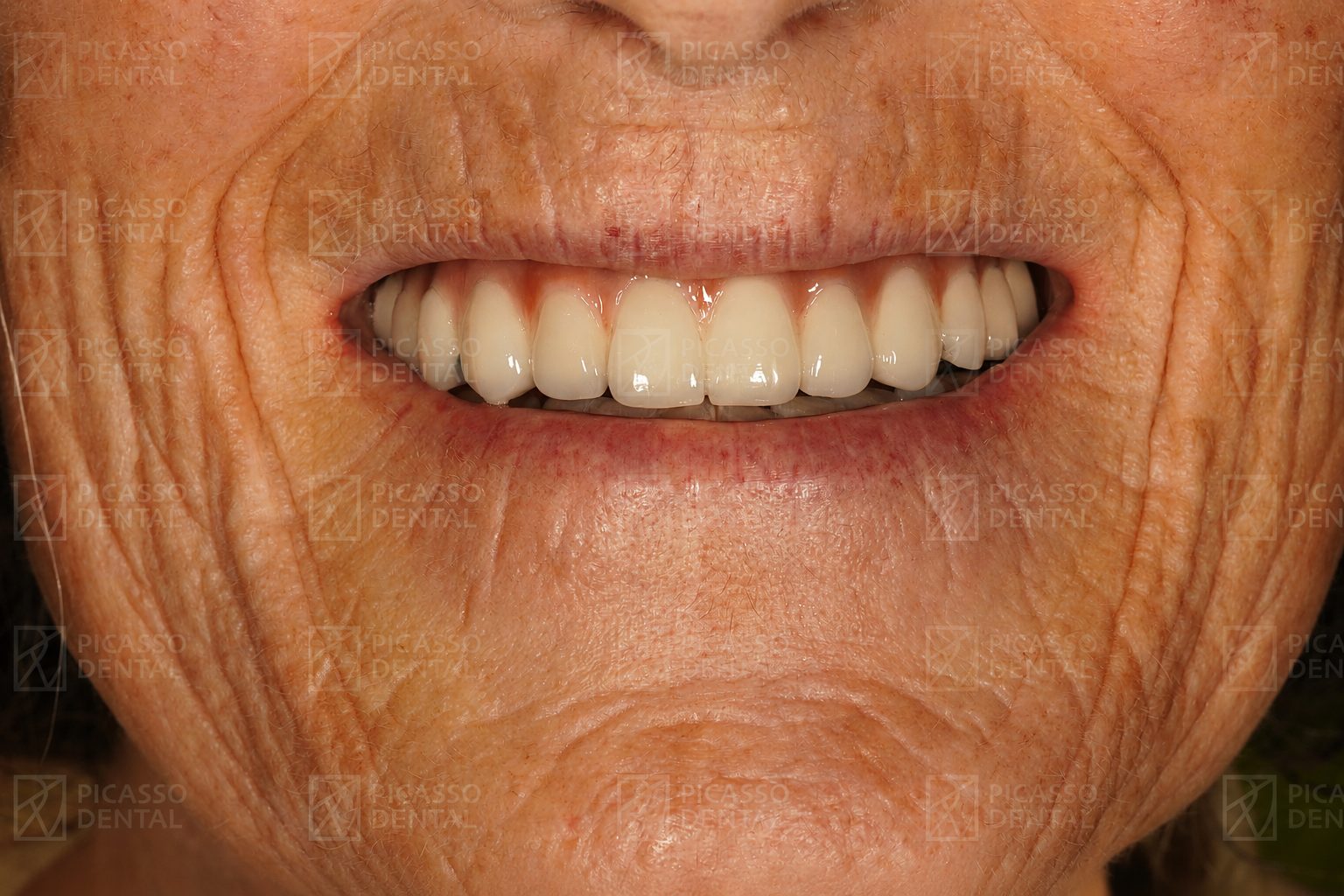 After
AfterCase 38420: Moderate periodontitis with significant pocket depths treated with full-mouth scaling and root planing.
 Before
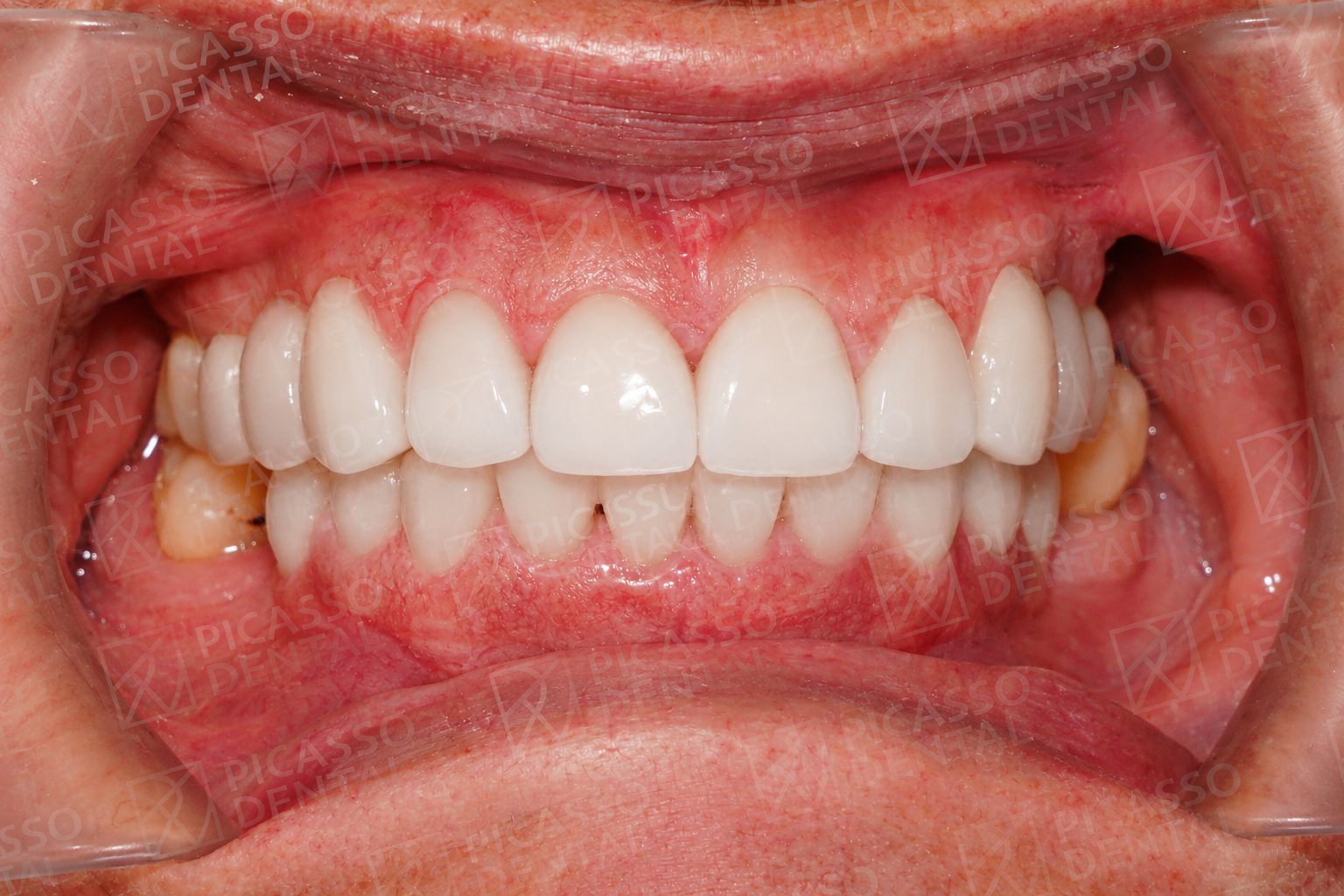 After
AfterCase 40179: Generalised chronic periodontitis, pocket reduction achieved after two deep cleaning sessions.
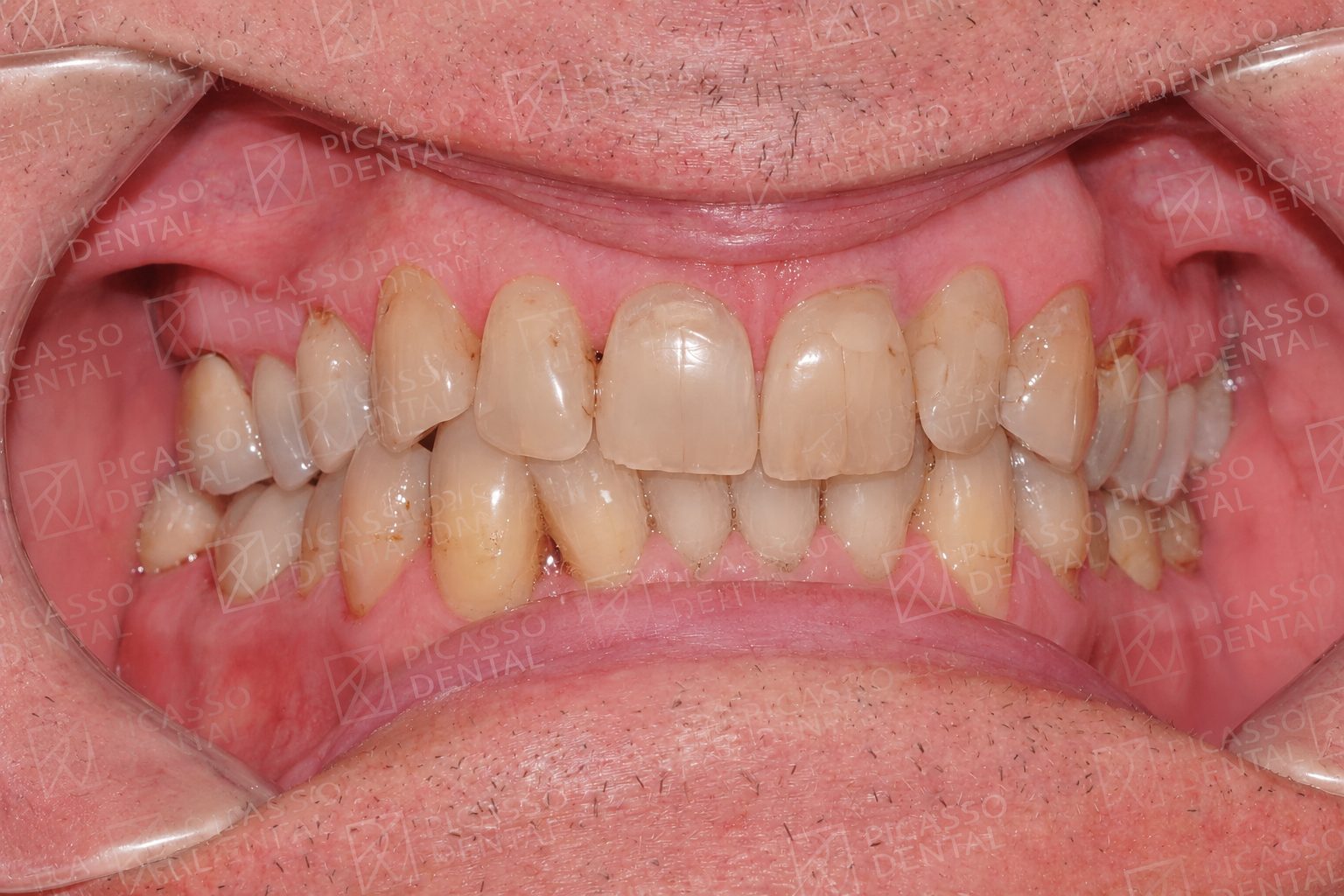 Before
 After
AfterCase 41400: Advanced periodontitis combined with cosmetic restoration following gum stabilisation.
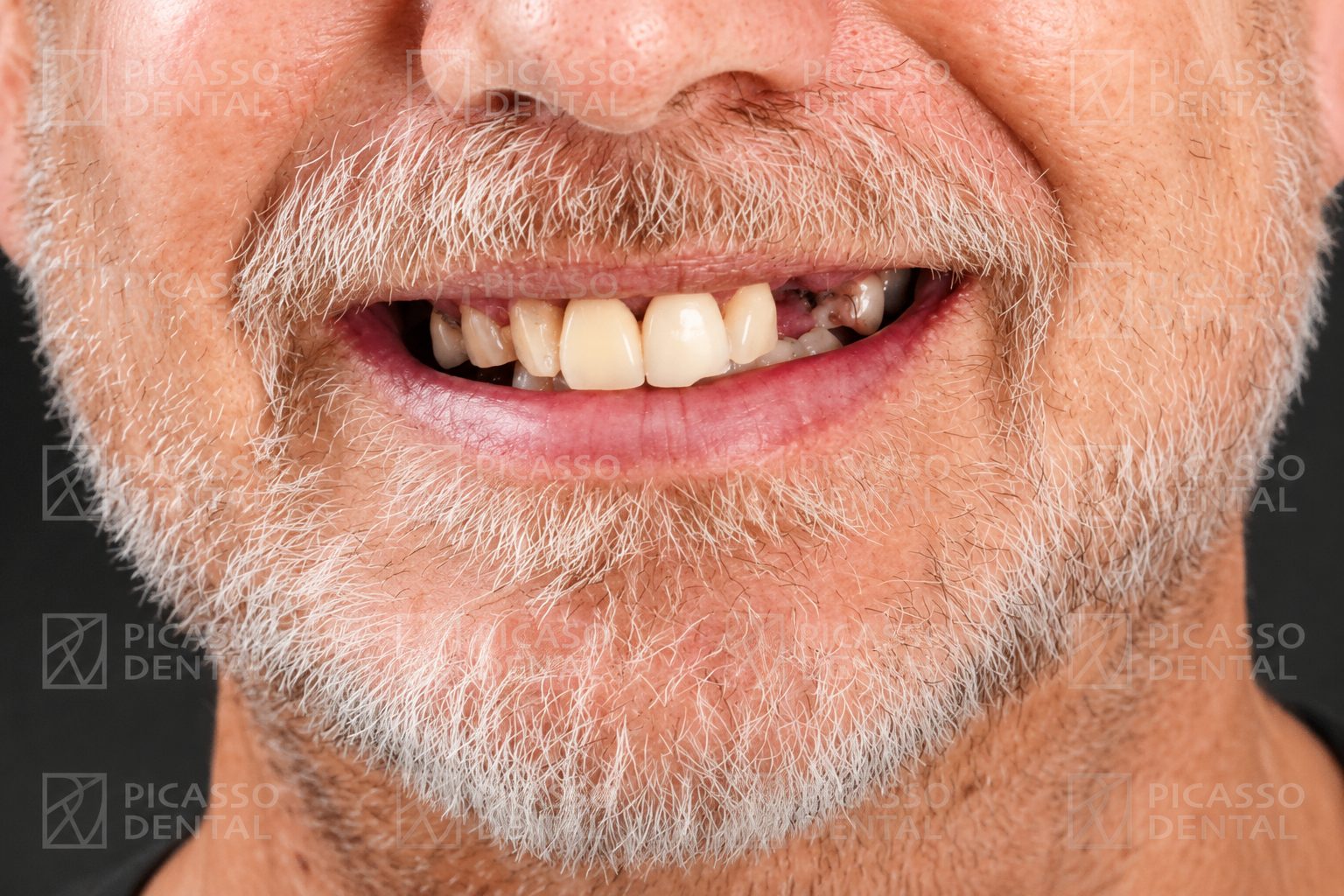 Before
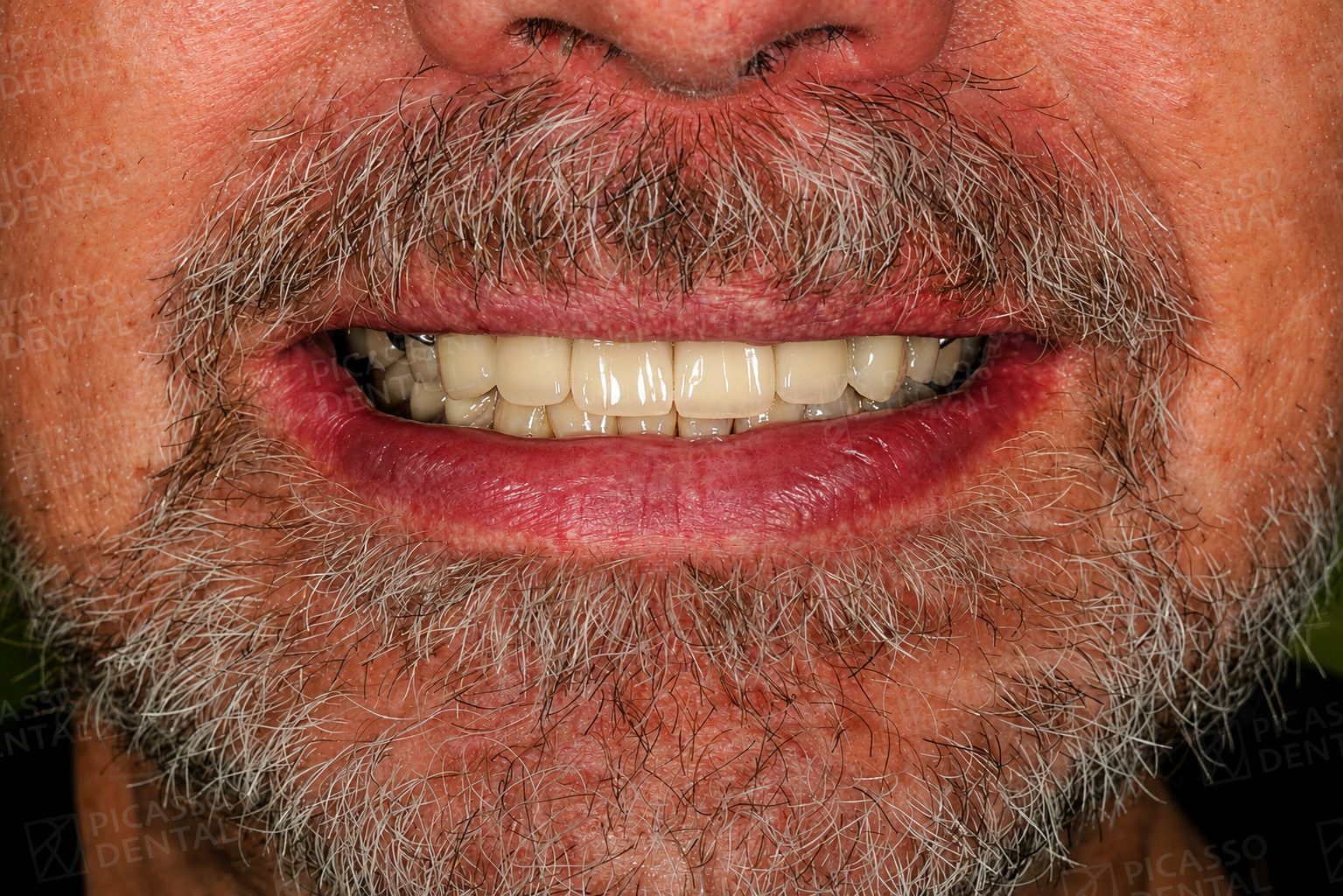 After
AfterCase 42840: Gingival inflammation and early bone loss treated before planned implant placement.
 Before
 After
AfterCase 46229: International patient, periodontal assessment and initial treatment during a multi-day Hanoi visit.
Frequently Asked Questions
Why does mouthwash not fix bad breath from periodontal disease?
Mouthwash reaches only surface bacteria and provides temporary freshening lasting one to two hours before bacterial gases from deep periodontal pockets accumulate again. The anaerobic bacteria living 4 to 7 millimetres below the gum line in periodontal pockets are physically inaccessible to mouthwash. Oxygen in rinses does not penetrate deep enough to affect bacteria in the oxygen-free environment of closed pockets.
What chemical causes the bad smell in periodontal disease?
The primary compounds are hydrogen sulfide, which smells like rotten eggs, and methyl mercaptan, which has a fecal quality. Both are volatile sulfur compounds produced when anaerobic bacteria in periodontal pockets break down sulfur-containing proteins from blood, dead tissue, and saliva. The concentration of these gases correlates directly with disease severity.
How does professional treatment eliminate bad breath from gum disease?
Scaling and root planing mechanically removes bacterial colonies from root surfaces and pocket walls, eliminating the odour source rather than masking symptoms. As pockets heal and bacterial populations fall, volatile sulfur compound production drops dramatically. Patients often report breath improvement within days of starting periodontal treatment as bacterial populations are disrupted by professional cleaning.
How often do I need professional cleaning to control periodontal bad breath?
After initial treatment, periodontal maintenance cleanings every three to four months are standard. These frequent cleanings prevent bacterial populations from rebuilding to levels that reactivate disease and produce bad breath. Home care between cleanings, including proper brushing twice daily, interdental cleaning, and possibly antimicrobial rinses, controls daily bacterial regrowth.
Can bad breath come from something other than periodontal disease?
Yes. Tongue coating bacteria, dry mouth, respiratory infections, uncontrolled diabetes, liver or kidney disease, and certain foods all contribute to bad breath. However, in patients with otherwise good oral hygiene, periodontal disease is the most common cause of persistent bad breath that does not resolve with brushing and rinsing. A clinical examination can identify the source.
When is bad breath from gum disease an emergency?
Sudden worsening of bad breath, especially with pain, swelling, fever, or feeling unwell, may indicate an acute periodontal abscess requiring urgent treatment. Periodontal abscesses involve intense localised infection and typically need prompt drainage, antibiotics, and deep cleaning. Any sudden change in breath odour accompanied by pain or swelling warrants same-day or next-day dental evaluation.
How long does it take for bad breath to improve after periodontal treatment?
Many patients notice improvement within days of their first deep cleaning appointment as bacterial populations are disrupted. Full improvement typically follows over two to four weeks as tissues heal and pocket depths reduce. For patients with advanced disease requiring multiple treatment sessions, progressive improvement occurs after each appointment rather than all at once.
Start Here
Start with a brief.
If persistent bad breath is affecting your confidence, share your symptoms and we will assess whether periodontal disease is the source.