When Do Wisdom Teeth Need to Come Out and What Should You Expect?

When Do Wisdom Teeth Need to Come Out and What Should You Expect?
Wisdom teeth are your third molars, the last teeth to come in usually between ages 17 and 25. Most people don’t have enough room in their jaw for these teeth, which causes all sorts of problems. When wisdom teeth cause pain, infection, or crowding, removing them is usually the best solution. I’m Dr. Emily, principal dentist at Picasso Dental Clinic with over 15 years of experience helping patients through wisdom tooth extractions. In my career treating more than 50,000 patients, I’ve removed countless wisdom teeth and helped patients understand exactly what to expect before, during, and after the procedure.
Why Wisdom Teeth Cause So Many Problems
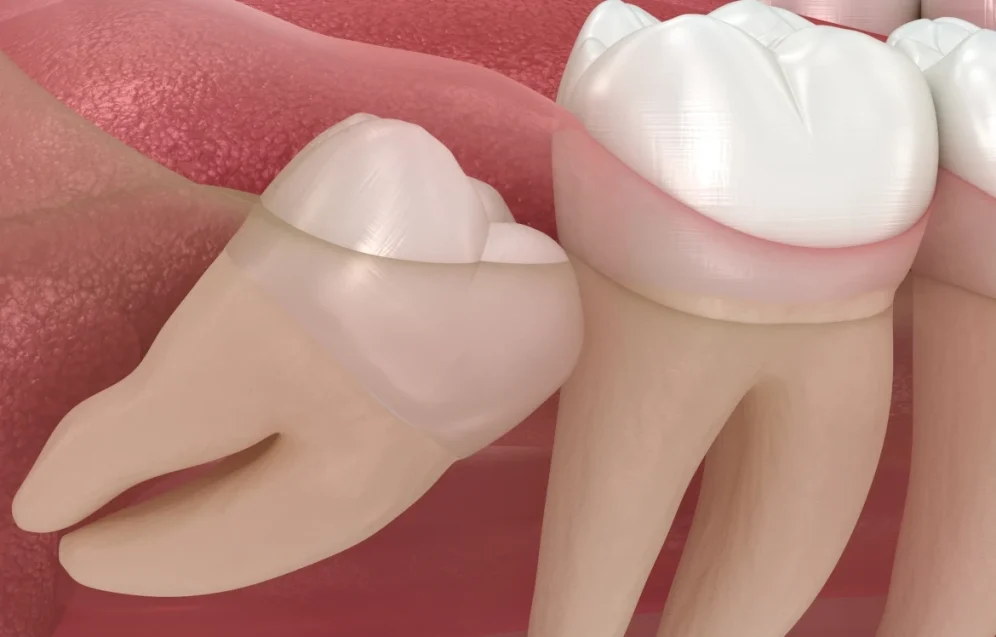
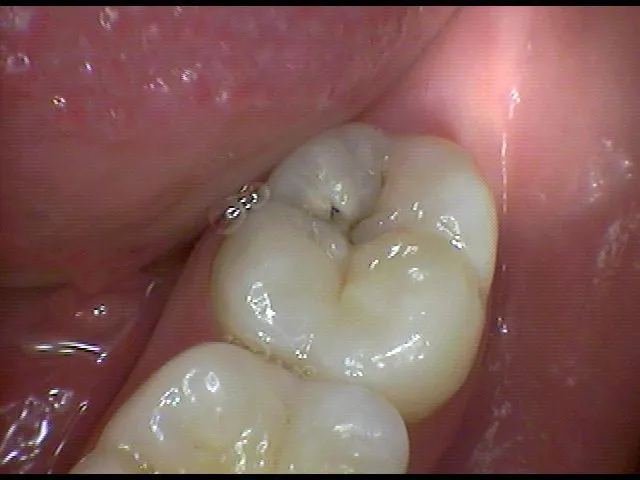
Humans evolved over thousands of years, and our jaws have gotten smaller while we still grow the same number of teeth our ancestors had. Most modern people simply don’t have enough space at the back of their mouth for wisdom teeth to come in properly. When a tooth doesn’t have enough room to come in straight, it’s called impacted. Partially impacted wisdom teeth break through the gum only partway, leaving a flap of gum tissue over part of the tooth. This flap traps food and bacteria, making it almost impossible to keep clean. Infection in this area, called pericoronitis, can cause significant pain and swelling. Fully impacted wisdom teeth stay completely under the gum and can push against neighboring teeth. This pressure can damage the roots of your second molars and cause crowding in the rest of your teeth. Even wisdom teeth that come in fully can be so far back that they’re nearly impossible to clean properly, leading to decay.
Signs Your Wisdom Teeth Need to Come Out
Pain at the back of your mouth is the most obvious sign, especially if it comes and goes or gets worse when you open wide. Swelling in your jaw or cheek, particularly if it’s tender to touch, can indicate wisdom tooth infection. Difficulty opening your mouth fully is another warning sign. Bad taste or bad breath that doesn’t go away despite good brushing can come from bacteria trapped around a partially erupted wisdom tooth. Headaches or earaches can sometimes be referred pain from wisdom tooth problems. Some people experience numbness or tingling near their jaw. On X rays, we can see impacted wisdom teeth pushing against neighboring teeth even before symptoms develop. This is why we take regular X rays to monitor wisdom tooth development. Sometimes we recommend removing wisdom teeth before problems start, especially in younger patients whose roots aren’t fully formed yet. Younger patients generally heal faster and have fewer complications than older patients.
What Happens During a Wisdom Tooth Extraction
Simple extractions are for wisdom teeth that have fully erupted and have straight roots. We numb the area, loosen the tooth with special instruments, and remove it. The whole process takes just a few minutes per tooth. Surgical extractions are needed for impacted wisdom teeth still under the gum. We numb the area thoroughly, and for anxious patients we offer sedation options to keep you completely relaxed. We make a small cut in the gum to access the tooth. Sometimes we need to remove a small amount of bone around the impacted tooth. We often divide the tooth into pieces to make removal easier and minimize the amount of bone we need to disturb. Once the tooth is out, we clean the area, place stitches if needed, and pack gauze to control bleeding. Most people have all four wisdom teeth removed at the same time so they only go through recovery once. The procedure itself is comfortable because of good anesthesia, and the whole process for all four teeth usually takes under an hour.
Recovery After Wisdom Tooth Removal
The first 24 hours are the most important for proper healing. Keep the gauze we give you in place for 30 to 45 minutes after extraction to allow a blood clot to form. This clot is crucial for healing so don’t dislodge it. Avoid rinsing vigorously, spitting forcefully, using straws, or smoking for at least 24 hours. The suction from these activities can dislodge the clot and cause a painful condition called dry socket. Apply ice packs to your cheeks for the first day to reduce swelling, using 20 minutes on and 20 minutes off. Take pain medication before the anesthesia wears off so you stay comfortable. Swelling typically peaks on the second or third day after extraction and then gradually goes down. Eat only soft foods for the first few days. Think yogurt, mashed potatoes, smoothies, scrambled eggs, and soup at room temperature. Avoid hard, crunchy, or chewy foods until your mouth heals. Most people feel well enough to return to normal activities within three to five days. At our Da Nang location, we provide detailed aftercare instructions to all extraction patients to ensure smooth recovery.
Preventing Dry Socket and Other Complications
Dry socket is the most common complication after wisdom tooth removal. It happens when the blood clot that forms in the empty socket gets dislodged or dissolves before healing is complete. Without the protective clot, the bone and nerves are exposed to air, food, and bacteria, causing significant pain that usually starts two to four days after extraction. The pain can radiate to your ear and jaw. If you develop dry socket, come back and see us right away. We place a medicated dressing in the socket that brings fast relief and promotes healing. To prevent dry socket, follow all aftercare instructions carefully. Don’t smoke, use straws, or rinse hard for at least 24 hours. Infection after extraction is another possible complication but is relatively uncommon. Signs include increasing rather than decreasing pain after a few days, worsening swelling, fever, or discharge from the extraction site. These symptoms need prompt attention. Numbness that lasts more than a few hours can indicate a nerve was affected, which is rare but more likely with lower wisdom teeth positioned near the inferior alveolar nerve. If you choose dental implants later to replace the space, we can discuss that option at a follow up visit.
Long Term Care After Wisdom Tooth Removal
Once your wisdom teeth are out and you’ve healed, you should have no further problems from those teeth. The spaces where they were will gradually fill in with bone and gum tissue over several months. You don’t need to replace wisdom teeth since they serve no essential function and most people function perfectly well without them. Keep up with regular dental checkups so we can monitor your healing and make sure everything looks good. Continue brushing and flossing regularly, paying attention to the very back of your mouth where your second molars now sit at the end of the arch. With your wisdom teeth gone, it should actually be easier to keep those back teeth clean. Some people notice their bite feels different for a few weeks after extraction, but this normalizes as the surrounding teeth and jaw adjust. Maintaining good oral hygiene and visiting us regularly at Picasso Dental Clinic will keep your mouth healthy long after your wisdom teeth are gone.
Safe, Comfortable Wisdom Tooth Removal
Wisdom tooth extraction doesn’t have to be a traumatic experience. At Picasso Dental Clinic, we use modern techniques and excellent anesthesia to make the procedure as comfortable as possible. Our experienced team has performed thousands of successful extractions, from simple to complex impacted cases. We take time to explain exactly what to expect and provide thorough aftercare support so your recovery goes smoothly. Don’t wait until wisdom tooth problems become severe. Early treatment is simpler and recovery is quicker. Whether you need one wisdom tooth removed or all four, we’re here to help. Schedule a consultation at any of our Hanoi, Da Nang, or Ho Chi Minh City locations. Book your appointment at Picasso Dental Clinic today and let our team take care of you.