What Is a Root Canal and Why Is It Not as Scary as People Think?

What Is a Root Canal and Why Is It Not as Scary as People Think?
A root canal is a treatment we use to save a tooth that is badly infected or damaged on the inside. We remove the infected tissue from inside the tooth, clean it out, and seal it so the infection cannot come back. Most patients tell me afterward that it felt no worse than getting a regular filling. I’m Dr. Emily, principal dentist at Picasso Dental Clinic with over 15 years of experience helping patients keep their natural teeth. Having treated more than 50,000 patients from around the world, I can tell you that a root canal is one of the most misunderstood procedures in dentistry.
What Is Actually Inside Your Tooth
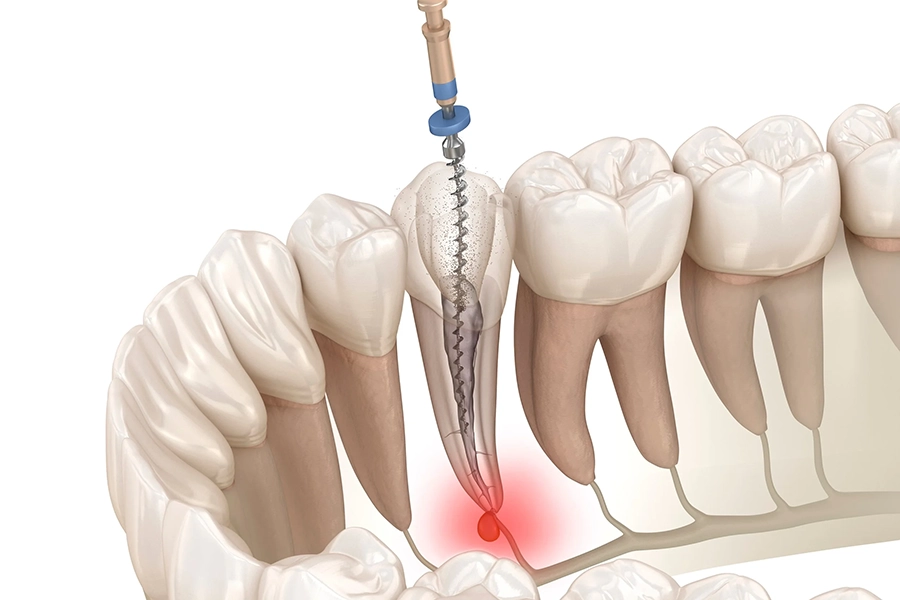
To understand root canals, you first need to understand what a tooth is made of. The hard white part you can see is enamel, and underneath that is a layer called dentin. Deep inside every tooth is a soft space called the pulp. The pulp contains nerves, blood vessels, and connective tissue. It runs from the crown of the tooth all the way down through the roots, which is why we call it the root canal system. When you’re young, the pulp helps your tooth grow and develop. Once your tooth is fully formed, the pulp becomes less important because the surrounding tissues can nourish the tooth. When the pulp gets infected or inflamed, it can cause severe pain and eventually a serious abscess. A root canal removes this damaged pulp while keeping the rest of your tooth intact.
Signs You Might Need a Root Canal
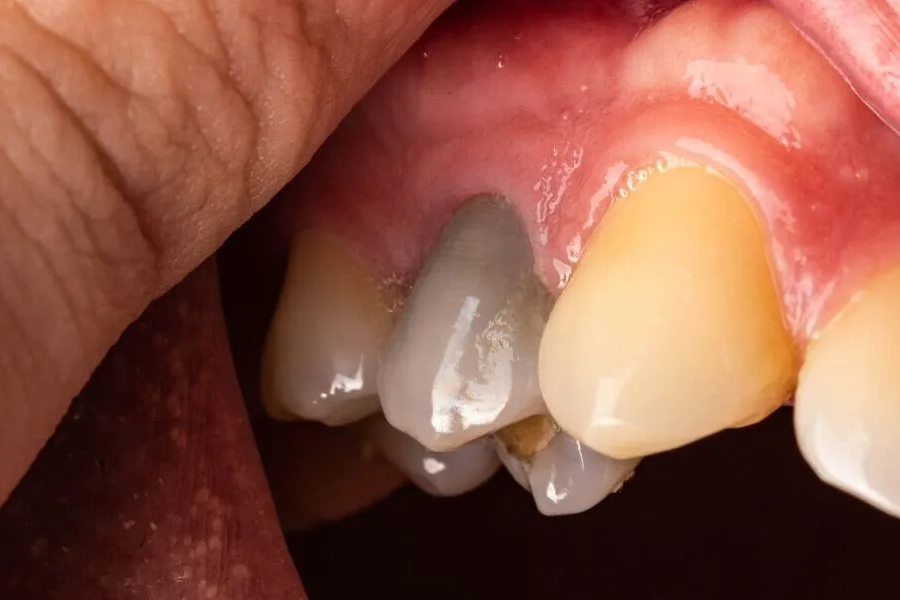
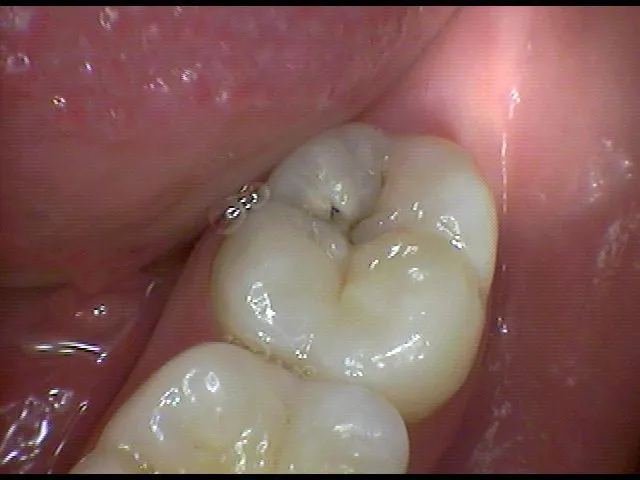
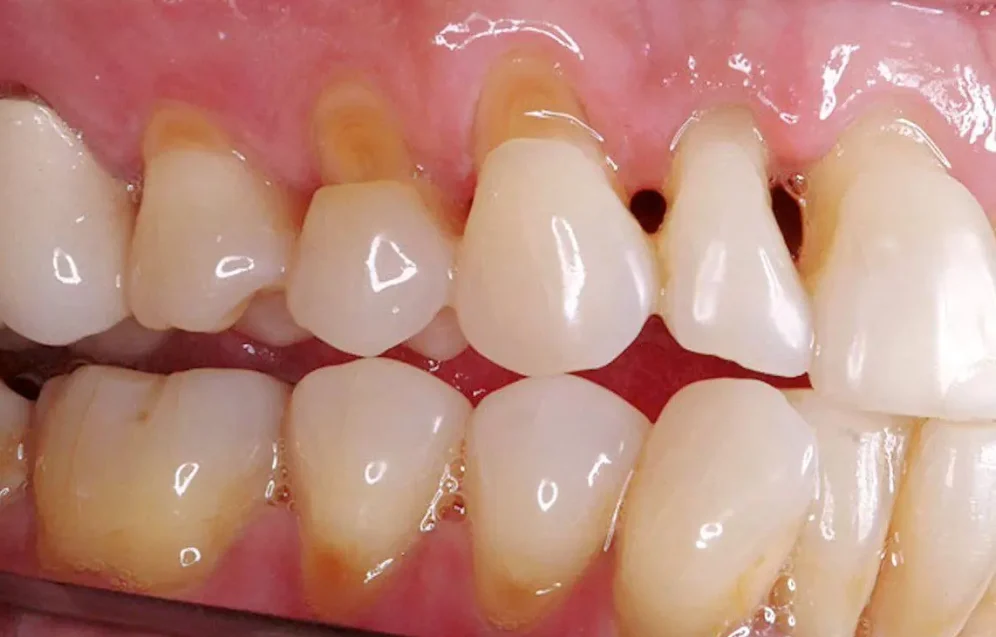
Your body gives you warning signs when a tooth pulp is in trouble. Severe toothache that doesn’t go away, especially pain that wakes you up at night, is a common sign. Prolonged sensitivity to hot or cold that lingers for more than a few seconds after removing the source often indicates pulp problems. A tooth that has darkened or changed color can signal that the pulp inside has died. Swelling or a small pimple like bump on your gum near a tooth is often a sign of infection draining from the root. Tenderness when you bite down or touch the tooth can indicate problems at the root tip. Sometimes there are no symptoms at all, and we discover the problem on a routine X ray. If you experience any of these warning signs, don’t wait to come see us. Catching an infected tooth early makes treatment simpler and more successful. Leaving an infection untreated can lead to spreading infection that becomes a serious health risk.
What Happens During a Root Canal
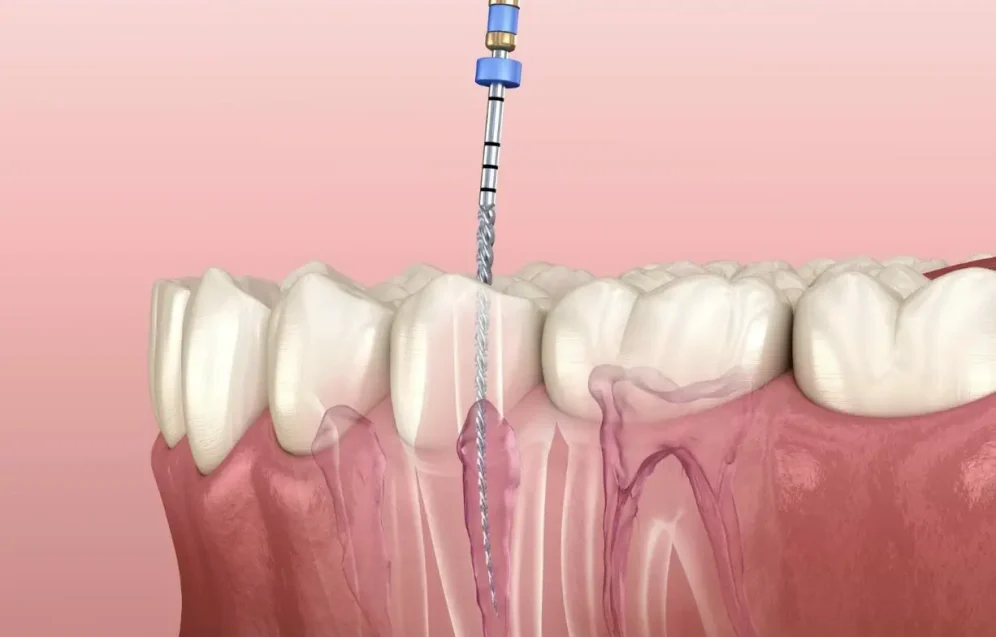
The procedure starts with numbing the area around the affected tooth completely. Good anesthesia means you should feel no pain during the procedure, just some pressure and movement. We place a small rubber sheet called a dental dam around the tooth to keep it clean and dry during treatment. Then we make a small opening in the top of the tooth to access the pulp chamber. Using very fine instruments, we carefully remove all the infected or inflamed pulp tissue from the pulp chamber and root canals. We shape the canals to a specific form and clean them thoroughly with disinfecting solutions. Once the canals are clean and shaped, we fill them with a rubber like material called gutta percha that seals the space completely. We then place a temporary filling while you wait for your permanent restoration. Most root canals take one to two appointments depending on how complex the root canal system is. After the root canal, the tooth needs a porcelain crown to protect it from breaking since the tooth becomes more brittle without its pulp.
Pain and Recovery After Root Canal
The most common thing patients tell me is that they were terrified before the procedure but it was completely fine. The area might feel a bit sore for a few days after treatment, especially when biting down. This is normal and is caused by inflammation around the root tip, not the root canal itself. Over the counter pain medication like ibuprofen handles this discomfort well for most people. Avoid chewing on the treated tooth until you get your permanent crown placed. Eat soft foods on the other side of your mouth if needed. The temporary filling protects the tooth but it isn’t as strong as a permanent crown. Most patients return to normal activities the day after treatment. The soreness typically fades within three to five days. If you develop severe pain, significant swelling, or feel like your temporary filling has fallen out, contact us right away. These issues are easily resolved when addressed promptly.
Why Saving Your Natural Tooth Matters
Some people wonder why we bother saving a tooth with a root canal when it could just be pulled out. Your natural tooth is always the best option when we can keep it. Natural teeth are stronger than any artificial replacement and allow you to chew with full force. Keeping your natural tooth preserves the bone around it, preventing the bone loss that happens after extraction. Your neighboring teeth remain stable because there’s no gap for them to drift into. Saving a tooth with a root canal is almost always less expensive than extracting it and replacing it with a dental implant or bridge. The procedure has a very high success rate, and a well treated tooth can last a lifetime. At our Hanoi location, patients frequently come in fearing they need an extraction only to leave with their tooth saved after a comfortable root canal. Preserving your natural teeth is always my first priority as a dentist.
Don’t Let Fear Stop You from Saving Your Tooth
Root canal treatment has an unfair reputation for being painful and scary. The reality is that it relieves pain rather than causes it. At Picasso Dental Clinic, we use the latest techniques and equipment to make root canal treatment as comfortable and efficient as possible. Our gentle approach and thorough anesthesia ensure you stay comfortable throughout the procedure. Don’t ignore tooth pain or wait until an infection becomes serious. Early treatment means simpler procedures and better outcomes. Our experienced team is here to help you save your natural tooth and get out of pain quickly. Schedule a consultation at any of our Hanoi, Da Nang, or Ho Chi Minh City locations today. Take the first step toward a pain free mouth by booking your appointment now.