Smile makeover with direct composite veneers
Direct composite veneers are tooth-colored resin material applied and sculpted directly onto your teeth in a single appointment, requiring minimal or no tooth preparation. They're reversible, affordable, and provide immediate results. The trade-off is that composite stains more easily than porcelain and typically lasts five to seven years versus 15 to 20 for porcelain. At Picasso Dental Clinic, where I've transformed thousands of smiles since 2013 treating over 70,000 patients, I recommend direct composite for younger patients, those wanting to test drive smile changes, or anyone preferring a conservative, budget-friendly approach to cosmetic enhancement
Dr. Emily Nguyen
This is an increasingly popular option that many patients don’t even know exists. I’m Dr. Emily Nguyen, Principal Dentist at Picasso Dental Clinic, and direct composite veneers offer a completely different approach to smile makeovers compared to traditional porcelain veneers that deserves serious consideration.
What Direct Composite Veneers Actually Are
Direct composite veneers involve applying tooth-colored resin material directly to your teeth and sculpting it into the desired shape and color during a single appointment. This is fundamentally different from porcelain veneers, which require tooth preparation, impressions, lab fabrication, and a second appointment for placement.
The composite material I use is the same high-quality resin used for tooth-colored fillings, but applied as a cosmetic enhancement rather than cavity repair. I build up layers of composite on your tooth surface, shaping and contouring it to create the appearance you want. Each layer is hardened with a special light before adding the next layer.
The artistic aspect of direct composite work cannot be overstated. I’m essentially sculpting your new smile freehand during the appointment. The final result depends heavily on the dentist’s skill and artistic eye. At our Hanoi and Ho Chi Minh City locations, I’ve spent years refining my composite techniques to create natural-looking results that patients love.
The entire procedure typically takes two to four hours for a full smile makeover, depending on how many teeth we’re treating. You walk in with your current smile and leave the same day with your transformed smile. No temporary veneers, no waiting weeks for the lab, no second appointment for placement.
Major Advantages Over Porcelain Veneers
The reversibility of composite veneers is their most significant advantage. Unlike porcelain veneers that require removing tooth enamel permanently, composite veneers often need minimal or no tooth preparation. The composite bonds directly to your existing tooth structure without extensive grinding. If you later decide you don’t like them or want something different, they can be removed relatively easily.
Cost is dramatically lower than porcelain veneers. Direct composite smile makeovers typically cost 40 to 60 percent less than equivalent porcelain work. This makes cosmetic dentistry accessible to patients who cannot afford porcelain but want smile improvement.
The single appointment timeline appeals to many patients. You don’t wait weeks between preparation and final placement. You don’t wear temporary veneers that might feel awkward or look obvious. The entire transformation happens in one visit.
Repairs are straightforward. If a composite veneer chips or stains, I can repair or refresh just that area without replacing the entire veneer. Porcelain veneers cannot be repaired; they must be completely replaced if damaged.
At Picasso Dental Clinic serving patients from 65 nationalities, I’ve noticed that younger patients particularly appreciate composite veneers because they’re not ready to commit to the permanent tooth alteration that porcelain requires.
Realistic Limitations and Disadvantages
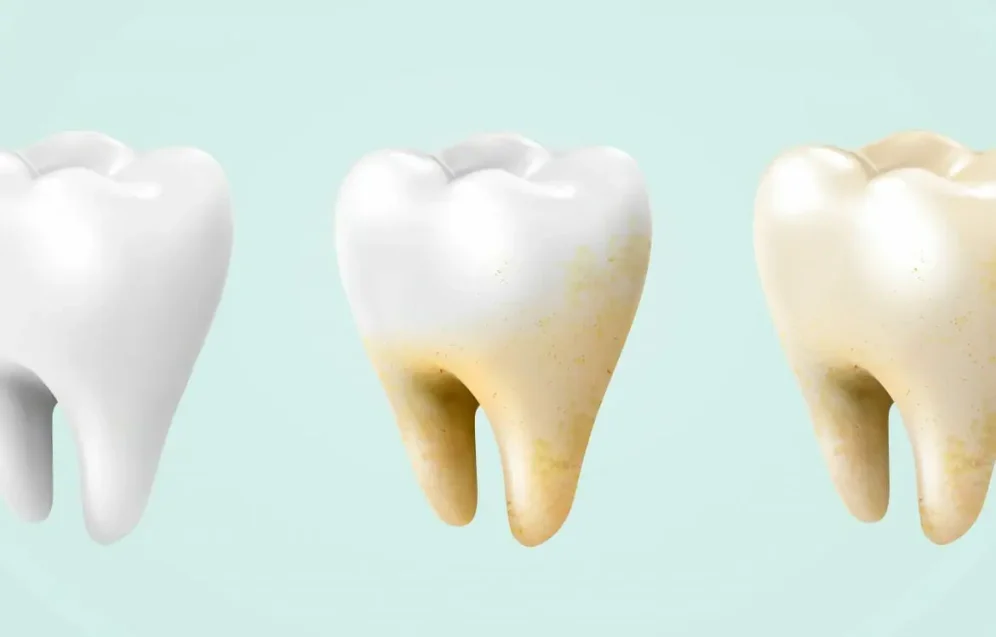
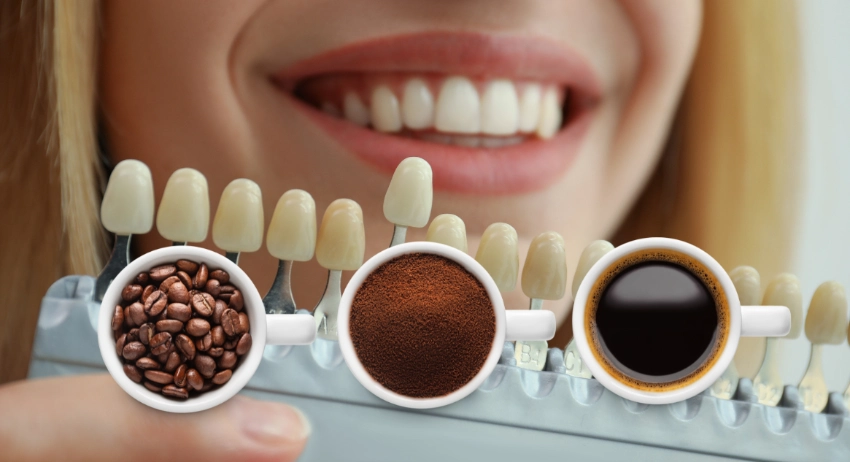
Composite material is more porous than porcelain, making it susceptible to staining from coffee, tea, red wine, and tobacco. While composite starts out beautifully matched to your desired shade, it gradually discolors over time. Regular polishing helps, but the staining is inevitable.
Durability is the major trade-off. Composite veneers typically last five to seven years before needing replacement or significant refresh. Porcelain veneers last 15 to 20 years. If you’re calculating lifetime costs, multiple composite replacements over decades might eventually exceed the cost of longer-lasting porcelain.
The strength difference matters for certain patients. Composite chips more easily than porcelain, particularly on biting edges. Patients who grind their teeth, bite their nails, or use teeth as tools will damage composite veneers more quickly.
The appearance, while excellent in skilled hands, typically doesn’t achieve the exact translucency and depth that porcelain provides. Composite looks very good but not quite as natural as premium porcelain for highly discerning patients wanting absolute perfection.
The result depends entirely on the dentist’s skill executed that day. Porcelain veneers involve lab technicians who specialize in creating perfect restorations. With direct composite, I’m both dentist and artist, and the work happens in real time without the quality control checkpoint that lab fabrication provides.
The Actual Procedure and What to Expect
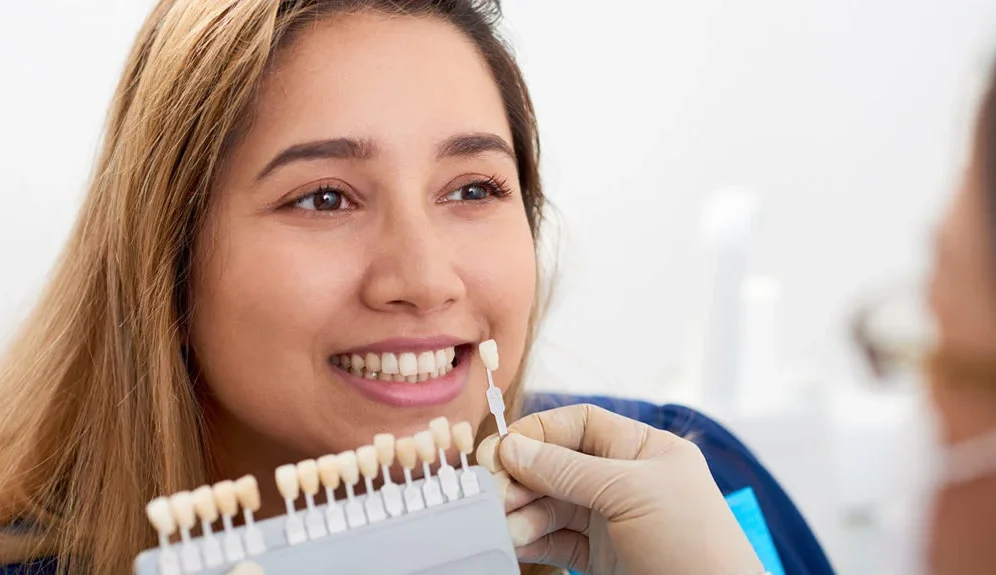
We start with consultation where I evaluate your teeth, discuss your goals, and determine if you’re a good candidate for composite veneers. I show you shade guides to select your desired color, discuss tooth shapes that complement your face, and might create digital mock-ups of expected results.
On treatment day, I clean your teeth thoroughly and sometimes lightly etch the surface to improve bonding. For most composite veneers, I don’t need to remove significant tooth structure, though minor reshaping might improve the final result.
I apply bonding agent, then build up composite material layer by layer, shaping each tooth individually. This is where artistry matters. I’m sculpting the contours, creating texture on the surface, adjusting the shade, and ensuring proper bite relationships all simultaneously.
The curing light hardens each layer in seconds. Once all composite is placed and shaped, I refine the contours, polish everything smooth, and check your bite carefully. The entire process for six to eight front teeth takes two to four hours at our Da Nang location.
You can eat and drink immediately after treatment, though I recommend avoiding staining substances for the first 48 hours while the composite fully hardens.
Maintenance and Longevity Expectations
Composite veneers require diligent care to maximize their lifespan. Brush gently with non-abrasive toothpaste. Avoid biting extremely hard foods with your front teeth. Don’t use teeth to open packages or bite nails.
Professional cleanings every six months are essential. I can polish out minor surface staining during these appointments, keeping your veneers looking fresh. Some patients benefit from more frequent polishing visits if they consume heavy staining substances.
Expect to refresh or replace composite veneers every five to seven years. This isn’t failure; it’s normal material lifespan. The refresh process is similar to initial placement and can update your smile to newer preferences.
If you’re interested in exploring whether direct composite veneers are appropriate for your smile goals and situation, I’m available for consultation at any Picasso Dental Clinic location in Hanoi, Da Nang, Ho Chi Minh City, or Da Lat.