How Do I Know If I Need Periodontal Treatment?
How Do I Know If I Need Periodontal Treatment?
You might need periodontal treatment if your gums bleed when you brush, look red and swollen, or have started pulling away from your teeth. Bad breath that won’t go away even after brushing, loose teeth, or painful chewing are also warning signs that your gums need professional help. I’m Dr. Emily, the principal dentist at Picasso Dental Clinic, and over my 15 years of practice, I’ve treated gum disease in thousands of patients among the 50,000 people I’ve seen from around the world. Gum disease is one of the most common dental problems, but the good news is it’s treatable, especially when caught early. If you notice any of these signs, getting checked sooner rather than later can save your teeth and prevent serious complications.
Understanding What Periodontal Disease Really Is
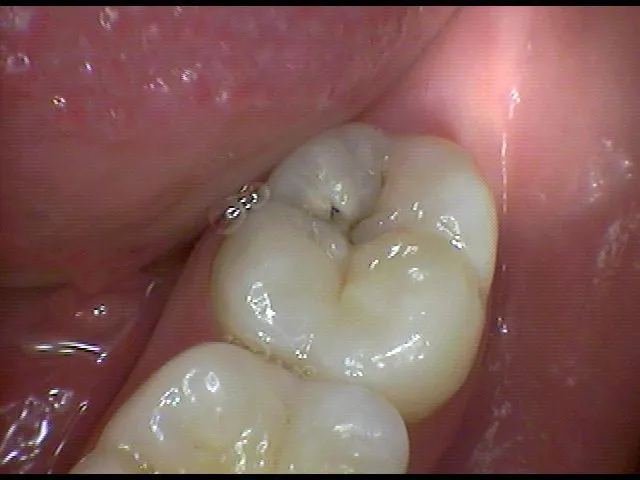
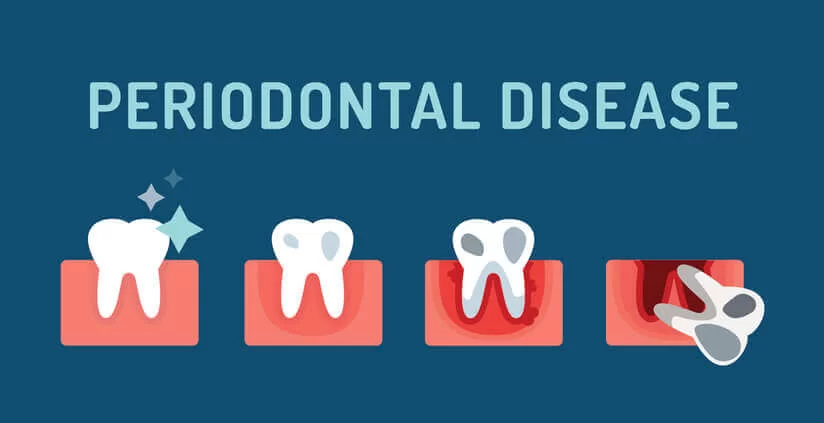
Periodontal disease, also called gum disease, is an infection of the tissues that hold your teeth in place. It starts with plaque, a sticky film of bacteria that forms on your teeth every day, especially if you don’t brush and floss properly. When plaque isn’t removed, it hardens into tartar, which you can’t remove with a toothbrush at home and needs professional cleaning. The bacteria in plaque and tartar irritate your gums, causing them to become inflamed, red, and swollen in the early stage called gingivitis. If gingivitis isn’t treated, it progresses to periodontitis, where the infection spreads below the gum line and starts destroying the bone supporting your teeth. Your gums begin pulling away from your teeth, creating pockets that collect more bacteria and food debris. These pockets get deeper over time, and the infection continues eating away at the bone until your teeth become loose or even fall out. Many people don’t realize they have gum disease because it often doesn’t hurt in the early stages, which is why regular routine checkups and cleaning are so important. At Picasso Dental Clinic, we screen every patient for gum disease during their checkup because early detection makes treatment much easier and more successful. The bacteria causing gum disease can also affect your overall health, with research linking it to heart disease, diabetes, and other serious conditions.
Common Signs and Symptoms You Shouldn’t Ignore
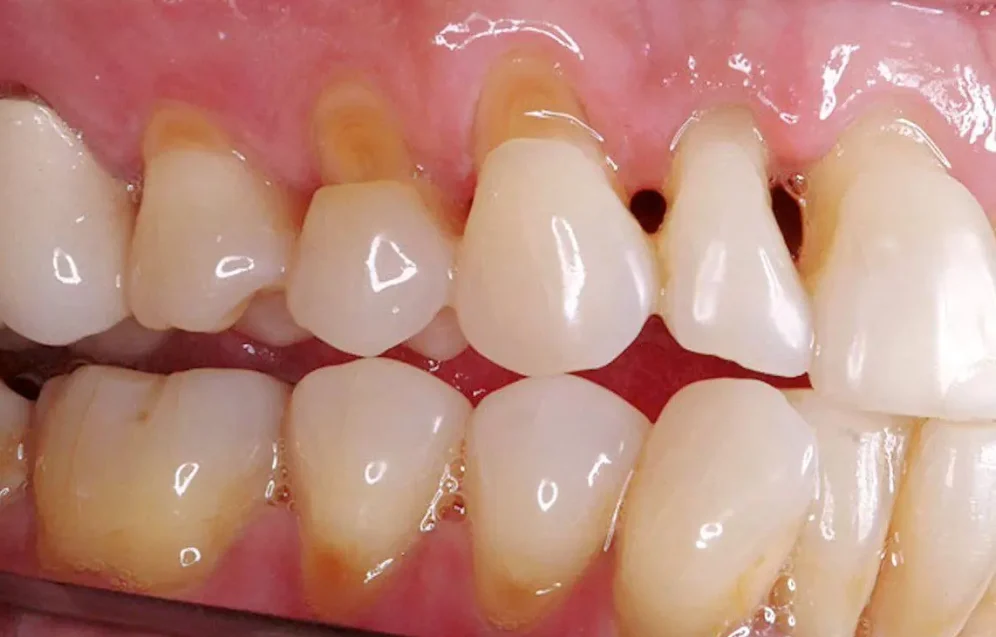
Bleeding gums are often the first sign people notice, especially when brushing or flossing, and this is never normal even though many people think it is. Healthy gums should be firm and pink, not puffy, red, or tender to the touch. If your gums have started receding, making your teeth look longer than they used to, this indicates bone loss from gum disease. Persistent bad breath or a bad taste in your mouth that doesn’t go away with brushing suggests bacteria are thriving in infected gum pockets. You might notice spaces developing between your teeth where food gets stuck constantly, or your teeth might feel loose or shift position. Some people experience pain when chewing or notice that their bite feels different than it used to. Pus between your teeth and gums is a clear sign of infection that needs immediate attention. Changes in how your partial dentures fit can also indicate gum and bone changes from periodontal disease. If you have any of these symptoms, don’t wait for them to get worse because gum disease is progressive and won’t heal on its own. The earlier we catch and treat gum disease, the more of your natural teeth and bone we can save.
What Periodontal Treatment Actually Involves
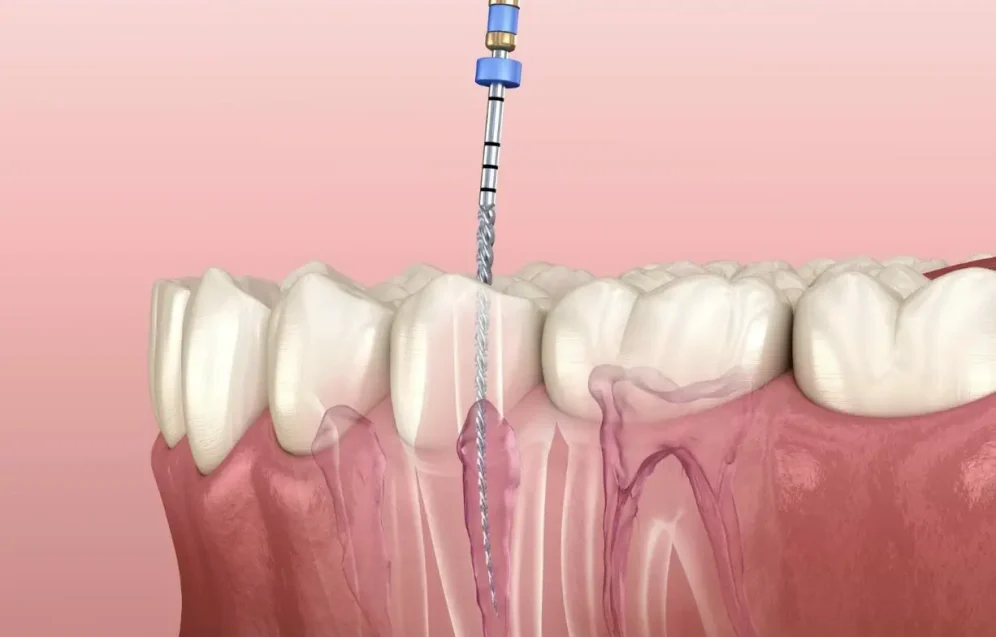
The type of treatment you need depends on how advanced your gum disease has become. For early-stage gingivitis, a thorough professional cleaning to remove all plaque and tartar might be enough, combined with better brushing and flossing at home. If you have periodontitis, you’ll need a deeper cleaning called scaling and root planing, which cleans below the gum line. During scaling, we remove all the tartar and bacteria from the tooth surfaces and beneath the gums using special instruments. Root planing smooths the root surfaces so your gums can reattach to your teeth more easily and bacteria have fewer places to hide. This deep cleaning is usually done with numbing medicine so you stay comfortable throughout the procedure. For more advanced cases, we might need to perform gum surgery to reduce the depth of the infected pockets and regenerate lost bone. Some patients need antibiotic treatment, either as a rinse, pills, or medicine placed directly into the gum pockets to fight infection. At Picasso Dental Clinic, we use the latest techniques and technology to make your treatment as comfortable and effective as possible. After your initial treatment, you’ll need regular maintenance cleanings, usually every three to four months, to keep the disease under control and prevent it from coming back.
How to Prevent Gum Disease from Starting or Returning
Prevention is always easier and cheaper than treatment, and keeping your gums healthy starts with good daily habits at home. Brush your teeth twice a day for two full minutes each time, making sure to angle your toothbrush toward the gum line where plaque loves to hide. Floss every single day because brushing alone only cleans about 60 percent of your tooth surfaces and misses the spaces between teeth. Use an antimicrobial mouthwash to kill bacteria and reduce plaque buildup in areas your brush and floss might miss. Don’t smoke or use tobacco products because they’re one of the biggest risk factors for developing severe gum disease and make treatment less successful. Eat a balanced diet with plenty of vitamins and minerals that support gum health, and limit sugary snacks that feed harmful bacteria. Visit your dentist regularly for checkups and professional cleanings, typically every six months, so we can remove tartar before it causes problems. If you have certain health conditions like diabetes, managing them well helps protect your gums because these conditions can make gum disease worse. Drinking plenty of water throughout the day helps wash away food particles and bacteria before they can cause trouble. Even if you’ve had periodontal treatment before, following these prevention steps keeps your gums healthy and prevents the disease from coming back.
Why Treating Gum Disease Protects More Than Just Your Teeth
Untreated gum disease doesn’t just lead to tooth loss; it affects your entire body and overall health in surprising ways. The bacteria from infected gums can enter your bloodstream and travel to other parts of your body, contributing to heart disease and stroke. People with gum disease are more likely to have difficulty controlling their blood sugar if they have diabetes, creating a vicious cycle. Pregnant women with gum disease have a higher risk of premature birth and low birth weight babies. The chronic inflammation from gum disease puts stress on your immune system, making it harder for your body to fight other infections. Losing teeth from gum disease affects your ability to eat nutritious foods, which impacts your overall nutrition and health. It also affects your confidence and quality of life when you’re embarrassed to smile or eat with others. The bone loss from advanced gum disease can change your facial structure, making you look older than your years. Treating gum disease early prevents all these complications and protects both your oral and overall health. Beyond gum treatment, maintaining good oral health with services like composite filling for cavities and dental implants for missing teeth keeps your whole mouth healthy and functional for life.
Concerned About Your Gum Health?
At Picasso Dental Clinic, our experienced team specializes in diagnosing and treating all stages of gum disease with gentle, effective care. We have convenient locations in Hanoi, Da Nang, and Ho Chi Minh City, all equipped with advanced technology for comfortable periodontal treatment. Visit our website at https://picassodental.vn or contact us today to schedule your comprehensive gum evaluation. Let our experts create a personalized treatment plan to restore your gum health and protect your beautiful smile for years to come.