Does a wisdom tooth extraction hurt a lot?

The good news is that wisdom tooth extraction SHOULD NOT HURT during the procedure because we use numbing medicine that makes your mouth completely numb. You might feel some pressure or pushing sensations, but no sharp pain while we’re working. I’m Dr. Emily, the principal dentist at Picasso Dental Clinic, and over my 15 years of practice, I’ve performed thousands of wisdom tooth removals for over 50,000 patients from around the world. After the numbing wears off, you’ll experience some soreness and discomfort for a few days, but this is manageable with pain medication and proper care. Most patients tell me the anticipation and worry beforehand was worse than the actual experience.
What You’ll Feel During the Extraction
During the actual wisdom tooth removal, you won’t feel pain because we use local anesthesia to numb the entire area around your tooth. The numbing injection itself feels like a small pinch for just a second, similar to a mosquito bite, and then everything goes numb within minutes. Once you’re numb, you might feel pressure as we gently rock the tooth back and forth to loosen it from the bone and gums. Some patients describe feeling a pushing sensation or hearing cracking sounds, which can be strange but shouldn’t hurt at all. If you feel any sharp pain during the procedure, you should raise your hand immediately so we can add more numbing medicine. For patients who are very anxious or nervous, we offer sedation options that help you relax or even sleep through the entire procedure. At Picasso Dental Clinic, we make sure you’re completely comfortable before we even start, and we check in with you throughout the process. The extraction itself usually takes between 20 to 40 minutes depending on how your wisdom tooth is positioned. Simple extractions where the tooth has fully erupted are quicker and easier than impacted teeth that are still under the gum.
Pain and Discomfort After the Procedure
After the numbing medicine wears off, usually within two to four hours, you’ll start feeling soreness in the extraction area. The first day is typically the most uncomfortable, with pain levels ranging from mild to moderate depending on how complicated your extraction was. Most patients describe it as a dull, achy feeling rather than sharp stabbing pain, similar to how your mouth feels after getting braces tightened. We’ll prescribe pain medication or recommend over-the-counter options like ibuprofen to keep you comfortable during recovery. Swelling is also common and usually peaks around day two or three, making your cheek look puffy like a chipmunk. Applying ice packs for the first 24 hours helps reduce both pain and swelling significantly. You might also notice some bleeding for the first day, which is completely normal as long as it’s not excessive. The soreness gradually improves each day, and most people feel much better by day four or five. By the end of the first week, many patients are back to their normal routines with minimal discomfort. Following our aftercare instructions carefully makes a huge difference in how much pain you experience and how quickly you heal.
Factors That Affect Your Pain Level
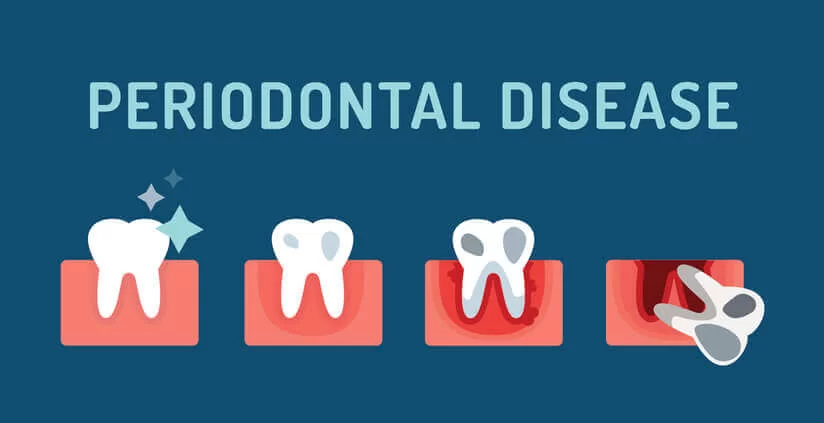
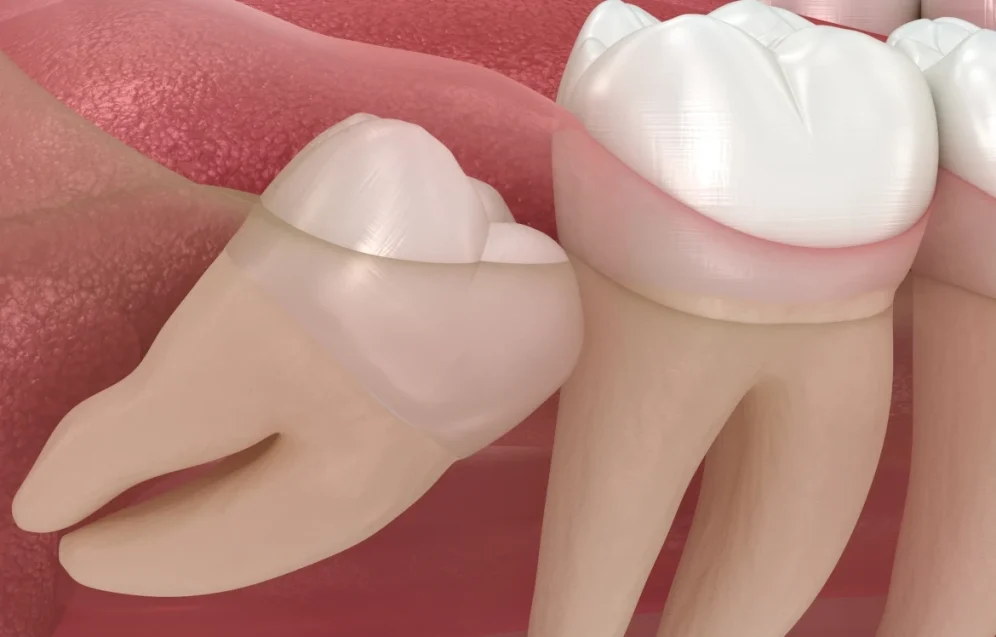
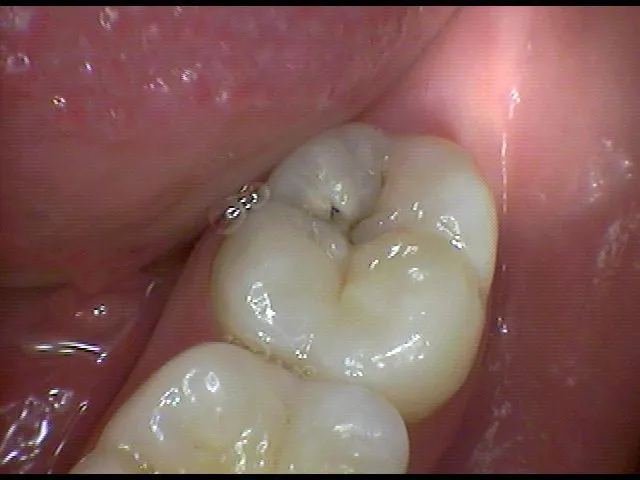
Not all wisdom tooth extractions are created equal, and several factors determine how much discomfort you’ll have. If your wisdom tooth has fully grown in and is straight, the extraction is usually simpler and causes less post-procedure pain. Impacted wisdom teeth that are stuck under the gum or growing sideways require more work to remove, which can lead to more soreness afterward. Your age also plays a role because younger patients tend to heal faster and experience less pain than older adults whose bones are denser. The skill and experience of your dentist matters tremendously, which is why choosing a qualified professional is so important for a smoother experience. If you have an infection or swelling before the extraction, this can make the area more sensitive and potentially more uncomfortable during recovery. Your own pain tolerance is personal and varies from person to person, so what feels manageable to one patient might feel worse to another. Taking care of your mouth properly after the extraction, including avoiding smoking and drinking through straws, prevents painful complications like dry socket. At our clinic, we also offer treatments like periodontal treatment to ensure your gums are healthy before any extraction. Patients who follow instructions, take their medication on schedule, and rest properly almost always have easier recoveries.
Managing Pain and Speeding Up Recovery
The key to minimal pain is following your aftercare instructions exactly as we give them to you. Take your pain medication before the numbing wears off completely so you stay ahead of the discomfort rather than chasing it. Use ice packs on your cheek for 15 minutes on and 15 minutes off during the first 24 hours to reduce swelling and numb the area. After the first day, switch to warm compresses to help with healing and comfort. Stick to soft foods like yogurt, mashed potatoes, smoothies, and soup for the first few days to avoid irritating the extraction site. Avoid hot foods and drinks for the first day because they can dissolve the blood clot that forms in the socket. Keep your head elevated when lying down, even while sleeping, to minimize swelling and throbbing sensations. Gently rinse your mouth with warm salt water starting 24 hours after the extraction to keep the area clean and promote healing. Do not smoke, use straws, or spit forcefully because these actions can dislodge the blood clot and cause dry socket, which is very painful. Get plenty of rest and avoid strenuous exercise for at least three to four days to give your body energy to heal. If you experience severe pain that gets worse after three days, fever, or bad taste in your mouth, contact us immediately as these could be signs of infection.
Why Removing Wisdom Teeth is Worth the Temporary Discomfort
While nobody enjoys the idea of dental surgery, removing problematic wisdom teeth prevents much bigger issues down the road. Impacted wisdom teeth can push against your other teeth, causing crowding, pain, and undoing years of orthodontic work like metal braces or ceramic braces. They can also create pockets where food gets trapped, leading to cavities, gum disease, and infections that are far more painful than the extraction itself. Some wisdom teeth develop cysts or tumors that can damage your jawbone if left untreated. The recovery from wisdom tooth extraction is temporary, usually just a week of mild discomfort, compared to ongoing pain and problems if you leave them in. Many patients tell me they wish they had done it sooner once they realize how manageable the process actually was. Young adults typically recover faster, so removing wisdom teeth in your late teens or early twenties is often easier than waiting until your thirties or forties. At Picasso Dental Clinic, we’ve helped countless international patients through this procedure with excellent results and minimal complications. The peace of mind knowing your wisdom teeth won’t cause future problems is worth a few days of eating ice cream and resting on the couch.
Ready for a Comfortable Wisdom Tooth Extraction?
At Picasso Dental Clinic, our experienced team specializes in gentle, efficient wisdom tooth removals with comprehensive pain management. We have convenient locations in Hanoi, Da Nang, and Ho Chi Minh City, all equipped with modern technology to make your procedure as comfortable as possible. Visit our website at https://picassodental.vn or contact us today to schedule your consultation. Let our experts assess your wisdom teeth and create a personalized treatment plan that puts your comfort first.