This is a topic that understandably worries patients considering implants, but understanding the causes helps you prevent problems. I’m Dr. Emily Nguyen, Principal Dentist at Picasso Dental Clinic, and having placed over 3,000 implants since 2013 across our clinics in Vietnam, I can share what actually causes failures and how to avoid them.
According to Dr. Emily Nguyen:
“Dental implant failure happens in less than 5% of cases and typically results from infection, insufficient bone quality, smoking, uncontrolled diabetes, or poor oral hygiene. At Picasso Dental Clinic, we’ve maintained a 95% success rate by carefully screening patients, using 3D planning technology, and providing detailed aftercare instructions. The key to prevention is choosing an experienced dentist, following post-surgical care precisely, maintaining excellent oral hygiene, and attending regular checkups. Most failures occur within the first year and are preventable with proper protocols.”
The Most Common Causes of Implant Failure
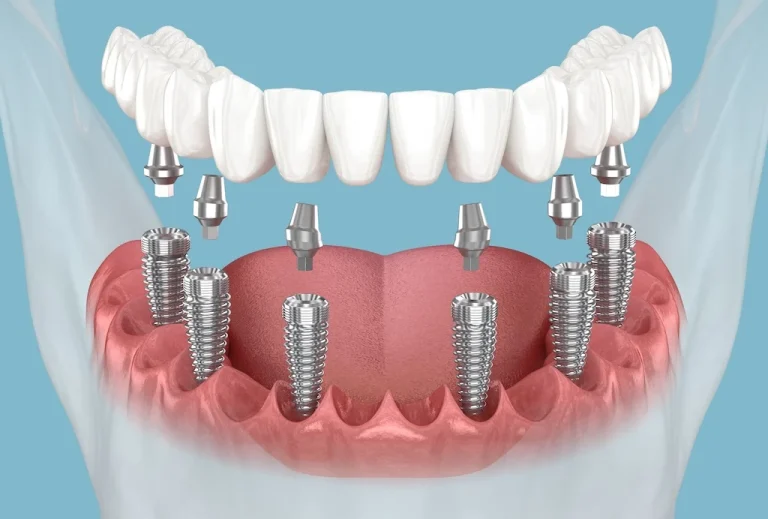
Infection is the leading cause of implant failures. When bacteria colonize the implant site during or after surgery, they can prevent the titanium post from integrating with your jawbone. This condition, called peri-implantitis, creates inflammation that destroys the supporting bone around the implant.
Poor bone quality or insufficient bone volume also contributes to failure. The implant needs adequate bone density and height to achieve stability. I use 3D CT scans before every implant surgery to assess bone quality precisely. Some patients require bone grafting first, which adds time to treatment but dramatically improves success rates.
Smoking is another major factor. Nicotine restricts blood flow to the gums and bone, slowing healing and making infection more likely. I’ve observed that smokers have failure rates two to three times higher than non-smokers. At Picasso Dental Clinic, I strongly encourage patients to quit smoking at least two weeks before surgery and during the healing period.
Uncontrolled medical conditions like diabetes or osteoporosis affect how your body heals and integrates the implant. Patients with well-managed diabetes do fine with implants, but those with fluctuating blood sugar levels face higher risks. I work closely with patients’ physicians to optimize their health before proceeding with implant surgery.
Early Failure vs. Late Failure
Implant failures fall into two categories, and understanding the difference helps with prevention. Early failure occurs within the first three to four months, during the osseointegration phase when bone grows around the titanium post. If the implant moves or becomes loose during this period, it hasn’t integrated properly and must be removed.
Early failures usually result from surgical complications, infection, or the patient not following post-operative instructions. I’ve treated patients who resumed smoking immediately after surgery or didn’t take prescribed antibiotics, and these choices directly contributed to failure. The initial healing period is critical, and I emphasize this during every consultation at our Da Nang and Da Lat clinics.
Late failure happens months or years after the implant has successfully integrated. These failures typically stem from peri-implantitis caused by poor oral hygiene or excessive forces from grinding teeth. I’ve seen implants that functioned perfectly for five years begin failing because patients stopped maintaining good hygiene or developed untreated gum disease around the implant.
The timeline matters because early failures can often be corrected by replacing the implant after the site heals, while late failures might require more extensive bone grafting if significant bone loss occurred. Prevention strategies differ for each type, which is why understanding both is important.
How to Prevent Implant Failure Before Surgery
Prevention starts before the implant is even placed. During consultation, I thoroughly evaluate your medical history, medications, and oral health. Patients taking bisphosphonates for osteoporosis need special protocols because these medications affect bone healing. Full disclosure about your health conditions and medications is essential for me to plan safely.
I treat any existing gum disease or tooth infections before placing implants. Active periodontal disease dramatically increases implant failure risk because the same bacteria that destroy natural tooth support will attack implant sites. At Picasso Dental Clinic, we complete periodontal treatment first and ensure patients maintain healthy gums for at least three months before implant surgery.
Choosing an experienced implant dentist makes an enormous difference. Proper implant placement requires precise positioning, correct depth, and appropriate torque. I’ve corrected implants placed by less experienced dentists where poor positioning led to failure. Since 2013, our team has refined our surgical protocols based on treating patients from 65 nationalities with diverse anatomies and needs.
Quality materials matter too. We use only FDA-approved implant systems from manufacturers like Straumann and Osstem, which have decades of research supporting their success rates. Some budget clinics use unproven implant brands to reduce costs, but this gamble isn’t worth the risk of failure.
Post-Surgery Care That Prevents Failure
The first two weeks after surgery are critical for preventing infection and ensuring proper healing. I provide every patient with detailed written instructions and remain available for questions. You must take prescribed antibiotics exactly as directed, use antimicrobial mouth rinse, and avoid disturbing the surgical site.
Eating soft foods for the first week prevents excessive pressure on the healing implant. I’ve had patients bite into hard foods too soon and disrupt the initial healing, which can lead to failure. Your temporary restriction on chewing near the implant site protects your investment during the most vulnerable period.
Avoiding smoking and alcohol during the initial healing phase significantly improves outcomes. Both substances impair blood flow and immune response. At our clinics across Vietnam, patients who follow these restrictions have noticeably better healing and lower complication rates.
Attending all follow-up appointments allows me to monitor healing and catch potential problems early. I examine implant sites at one week, two weeks, six weeks, and three months post-surgery. If I notice signs of infection or poor integration, early intervention often saves the implant.
Long-Term Maintenance to Keep Implants Healthy
Once your implant has integrated and the crown is placed, ongoing care prevents late failure. Brush and floss around implants just as carefully as natural teeth, using techniques I demonstrate during your crown placement appointment. Special floss threaders or interdental brushes help clean areas regular floss can’t reach.
Professional cleanings every six months are essential. During these visits, I check for peri-implantitis by measuring pocket depths around implants and taking x-rays annually to monitor bone levels. Catching inflammation early allows treatment before significant bone loss occurs. I’ve saved countless implants by detecting problems during routine checkups that patients hadn’t noticed yet.
If you grind your teeth, wearing a nightguard protects implants from excessive forces that can cause bone loss or fracture the crown. Many patients at Picasso Dental Clinic don’t realize they grind until I point out wear patterns. A custom nightguard costs far less than treating implant failure.
Managing systemic health conditions helps maintain implants long-term. Keeping diabetes controlled, maintaining bone density, and managing autoimmune conditions all contribute to implant longevity. I work with patients’ physicians when needed to coordinate care that supports both overall health and dental implant success.
If you’re concerned about implant failure or want to ensure your current implants stay healthy, I’m happy to evaluate your situation at any of our locations in Hanoi, Da Nang, Ho Chi Minh City, or Da Lat. Prevention is always easier than treating failure.