What are disadvantages of teeth cleaning?
Professional teeth cleaning has very few genuine disadvantages. Some patients experience temporary sensitivity for 24 to 48 hours after cleaning, especially if they haven't had one in a while. Gums might feel tender if there was significant tartar buildup. Rarely, aggressive cleaning can damage enamel or irritate gum tissue, but this is uncommon with proper technique. At Picasso Dental Clinic, where we've performed over 70,000 cleanings since 2013, serious complications are extremely rare. The benefits of preventing gum disease and cavities far outweigh these minor, temporary discomforts.

Can I reshape my teeth without braces?
Absolutely, you can achieve a stunning smile makeover without braces through options like porcelain veneers, dental crowns, or clear aligners. At Picasso Dental Clinic, I've used veneers to correct gaps, chips, discoloration, and even mild misalignment in just two to three visits. For patients at our Hanoi, Da Nang, and Ho Chi Minh City locations, composite bonding offers another quick solution. The right choice depends on your specific concerns, whether that's color, shape, alignment, or all three. Many international patients choose these treatments precisely because they deliver complete transformations in days, not years.

How Long Does It Take for a Dental Crown to Heal?
A dental crown doesn't heal because it's not living tissue. However, your tooth and gums typically adjust within one to two weeks after crown placement. Initial sensitivity or soreness should resolve within a few days. Gum tissue around the crown margins heals completely in seven to ten days. At Picasso Dental Clinic, where I've placed thousands of crowns since 2013 treating over 70,000 patients, most people forget about their crown within two weeks as it becomes a normal part of their mouth. Prolonged pain beyond two weeks indicates a problem requiring evaluation.
What is the Black Spot on My Porcelain Crown?
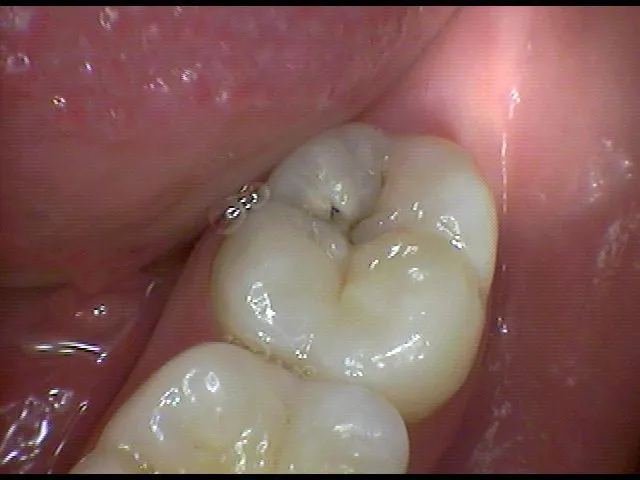
A black spot on your porcelain crown typically indicates one of four things: decay developing underneath the crown, metal from a porcelain fused to metal crown showing through, staining at the margin where crown meets tooth, or gum recession exposing the metal collar. In my decade treating over 70,000 patients at Picasso Dental Clinic, decay underneath is the most serious cause and requires immediate treatment. Metal showing through or margin staining is cosmetic. You need a dentist to examine it and determine which situation you're facing

Porcelain crown allergy symptoms
True allergic reactions to pure porcelain crowns are extremely rare because porcelain is biologically inert and well tolerated by human tissue. Most reactions attributed to porcelain crowns actually stem from metal allergies in porcelain fused to metal crowns, poor crown fit causing gum irritation, or cement sensitivity. Real allergy symptoms include persistent redness, swelling, burning sensation, metallic taste, or oral lesions around the crown. At Picasso Dental Clinic, where I've placed thousands of crowns since 2013 treating over 70,000 patients, I've seen perhaps three genuine material allergies, all involving metal components rather than porcelain itself.

How much does a porcelain crown cost in Vietnam?
Porcelain crown costs in Vietnam range from $150 to $600 per tooth depending on the material quality and clinic. At Picasso Dental Clinic, our high-quality porcelain crowns cost between $300 to $500, using premium Japanese and German ceramics that match what you'd find in Western countries. The main price differences come from the type of porcelain used, laboratory quality, and dentist experience. Budget crowns under $200 often use lower-grade materials that stain or chip within a few years, while premium crowns last 15 to 20 years with proper care.

What’s the difference between ceramic and porcelain crowns?
Here's what surprises most patients: porcelain and ceramic crowns are essentially the same thing. Porcelain is a type of ceramic material. The real choice is between all ceramic crowns (which include porcelain) and porcelain fused to metal crowns. All ceramic options look more natural and work beautifully for front teeth, while porcelain fused to metal offers extra strength for back molars. At Picasso Dental Clinic, we've placed thousands of both types since 2013, and I help patients choose based on location in the mouth, budget, and aesthetic goals