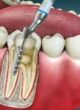
What is an apicoectomy?
An apicoectomy is a minor surgical procedure that removes the tip of a tooth root and surrounding infected tissue when a standard root canal fails or cannot fully resolve an infection. I make a small incision in the gum, access the root tip through the bone, remove the infected portion, seal the end of the root canal, and close the gum. At Picasso Dental Clinic locations in Hanoi, Da Nang, and Ho Chi Minh City, this procedure takes 30 to 60 minutes under local anesthesia and saves teeth that would otherwise need extraction. Success rates exceed 90%, making it an excellent option for preserving natural teeth when root canal retreatment isn't possible
What to do when you have excessive bleeding after deep cleaning?
“There’s blood everywhere and it won’t stop.” The panic in Michael’s voice was clear through the phone at 11 PM. The Canadian businessman had finished his deep cleaning at another Hanoi clinic that afternoon, and six hours later he was still experiencing heavy bleeding that soaked through tissues within minutes. He didn’t know whether this […]

Does Plaque and Tartar Cause Bad Breath?
Yes, plaque and tartar are major causes of bad breath. Plaque is a sticky film of bacteria that constantly forms on your teeth, and when it hardens into tartar, it creates a rough surface where even more bacteria accumulate. These bacteria feed on food particles and dead cells in your mouth, producing volatile sulfur compounds that smell like rotten eggs. At Picasso Dental Clinic, where I've treated patients from Singapore to Sweden, I'd estimate that 60 to 70 percent of bad breath cases I see are directly related to plaque and tartar buildup. The good news is that professional cleaning removes tartar completely, and improved home care prevents plaque from returning. Within days of proper treatment, most patients notice their breath freshens significantly.

Is Root Canal Treatment Dangerous?
Root canal treatment is not dangerous when performed by a qualified dentist using modern techniques and proper sterilization. At Picasso Dental Clinic, root canals are routine procedures with a 90% success rate and minimal complications. The real danger is avoiding treatment when you need it, which can lead to abscesses, bone loss, systemic infection, or tooth loss. Internet claims about root canals causing cancer or systemic disease have been thoroughly debunked by decades of scientific research. The risks of root canal treatment are far lower than the risks of leaving an infected tooth untreated.

How Often Should You Brush Your Teeth?
You should brush your teeth twice daily for two minutes each time. Morning brushing removes bacteria that accumulated overnight, while evening brushing clears food particles and prevents overnight acid attacks on your enamel. In my decade at Picasso Dental Clinic, I've examined thousands of mouths, and the difference between once-daily and twice-daily brushers is striking. Patients who brush only once, even perfectly, show significantly more plaque buildup and gum inflammation. What many don't realize is that timing matters almost as much as frequency. Brush after breakfast and before bed, waiting 30 minutes after acidic foods. We track oral health outcomes across our Hanoi, Da Nang, and Ho Chi Minh City clinics, and twice-daily brushing is the single most predictive factor for long-term dental health.
What Are Main Causes of Bad Breath?
Poor oral hygiene is the primary cause of bad breath, allowing bacteria on your tongue, between teeth, and along gumlines to produce sulfur compounds that smell bad. Gum disease, dry mouth, food trapped in cavities or around dental work, tongue coating, and certain foods also cause odor. At Picasso Dental Clinic, where I've treated over 70,000 patients since 2013, I find that 90 percent of bad breath cases resolve with improved oral hygiene and treatment of dental problems. Less than 10 percent stem from medical conditions like sinus infections or digestive issues.
How Periodontal Disease Causes Bad Breath?
This is a question that embarrasses many patients but is incredibly important to understand at Picasso Dental Clinic. I’m Dr. Emily Nguyen, Principal Dentist, and after treating over 70,000 patients from 65 nationalities since 2013, I can explain exactly how periodontal disease creates the persistent bad breath that regular brushing and mouthwash cannot eliminate. Dr. […]