Dental Implants Vietnam: Complete 2025 Guide
Dental Implants Vietnam: Complete 2025 Guide
Meta Description: Complete 2025 guide to dental implants in Vietnam. Learn costs, procedures, choosing clinics, what to expect, and whether Vietnam is right for your dental implant journey.
Missing teeth changes more than your smile. It affects how you eat, how you speak, and honestly, how you feel about yourself in social situations. If you’re reading this, you’re probably weighing a big decision: getting dental implants in Vietnam versus back home.
Here’s the thing: Vietnam has become one of the world’s leading dental tourism destinations, and not just because it’s cheaper. The combination of internationally trained dentists, modern technology, and significant cost savings has attracted thousands of patients from Australia, the US, Canada, and beyond. But “cheaper” doesn’t automatically mean “better,” and this decision deserves more than a quick Google search.
This guide walks you through everything you need to know about dental implants in Vietnam. We’ll cover realistic costs, what the actual process looks like, how to spot quality clinics versus risky ones, and most importantly: whether this option makes sense for your specific situation. At Picasso Dental Clinic, we’ve guided over 57,000 international patients through dental implant procedures since 2013. This guide reflects both clinical expertise and the real questions patients ask us every day.
By the end, you’ll know whether dental implants in Vietnam are right for you, what to expect if you decide to proceed, and how to maximize your chances of an excellent outcome.
Dental Implants At A Glance
Single Implant Cost in Vietnam: $800 to $1,500
Full Mouth (All-on-4/6) Cost: $6,000 to $15,000
Total Timeline: 3 to 6 months (requires 2 trips)
Success Rate: 95 to 98% at reputable clinics
Cost Savings: 70 to 80% compared to US/Australia
Healing Period: 3 to 6 months between visits
What Are Dental Implants? (And Why Vietnam?)
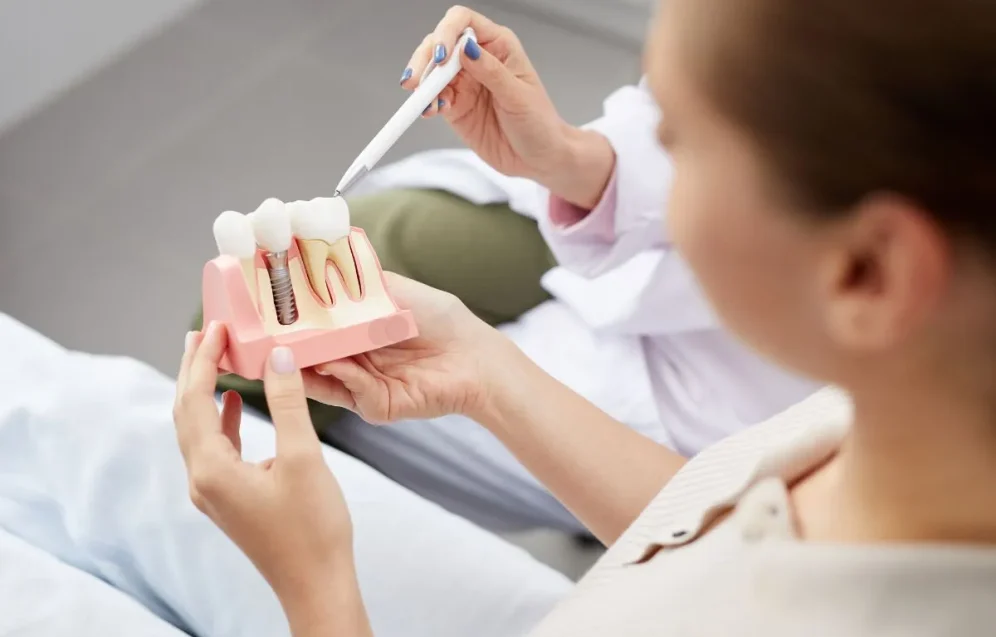
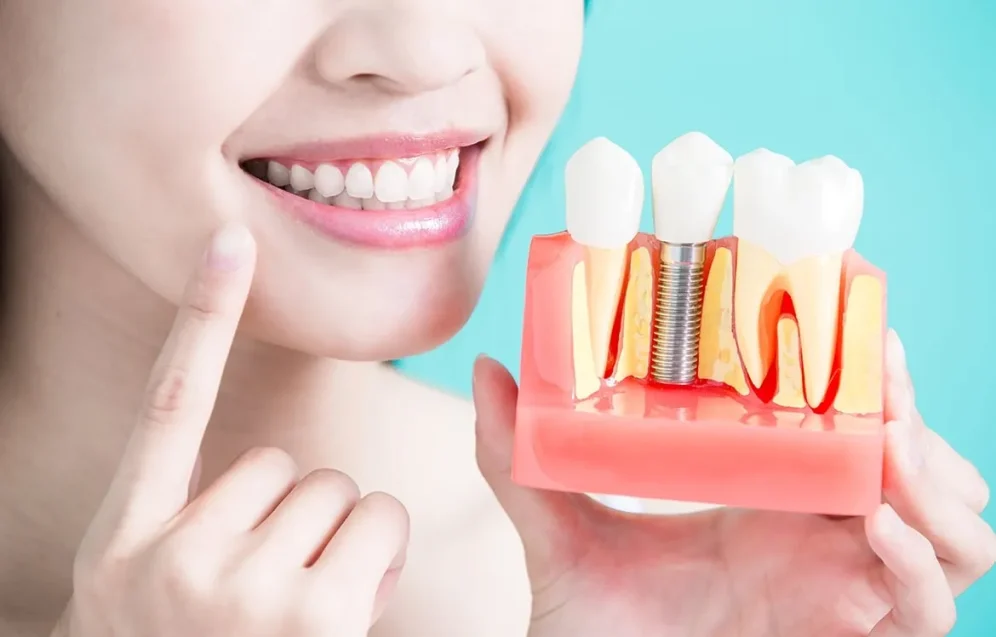
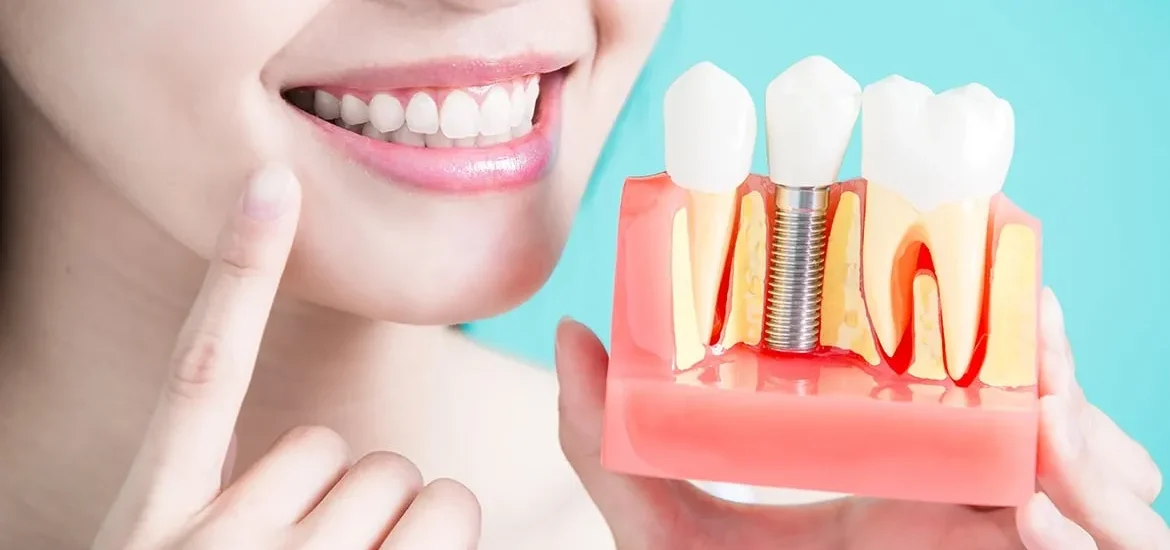
A dental implant isn’t just a replacement tooth. It’s a complete system designed to function like your natural teeth. Think of it as an artificial tooth root that gets permanently anchored into your jawbone.
The system has three parts working together:
The Implant Post serves as your new tooth root. This small titanium screw gets surgically placed into your jawbone where your original tooth’s root was. Over several months, your bone actually grows around and fuses with this titanium post through a process called osseointegration. It’s this fusion that makes implants so stable and long-lasting.
The Abutment is a connector piece that attaches to the implant post once healing is complete. It’s what holds your final crown in place.
The Crown is the visible “tooth” part: custom-made to match your natural teeth in color, shape, and size.
Unlike dentures that sit on your gums or bridges that rely on neighboring teeth, implants replace the entire tooth structure from root to crown. This is why they feel, function, and last like natural teeth.
Why Patients Choose Vietnam for Implants
Vietnam has emerged as a dental tourism powerhouse for several compelling reasons. The most obvious is cost: you’re looking at 70 to 80% savings compared to Western countries. But here’s what else draws patients:
Internationally Trained Dentists: Many Vietnamese implant specialists trained at universities in the US, Australia, Germany, and other countries with rigorous standards. Some hold memberships in organizations like the International Congress of Oral Implantologists.
Modern Technology: Top clinics in Ho Chi Minh City, Hanoi, and Da Nang use the same advanced equipment you’d find in Sydney or Los Angeles. This includes 3D CBCT scanners, computer-guided surgery, and CAD/CAM systems for crown fabrication.
Same Implant Brands: Reputable clinics use internationally recognized brands like Nobel Biocare, Straumann, Osstem, and Neodent. The materials are identical to what Western dentists use.
Lower Operating Costs: Vietnam’s lower cost of living means clinics can offer world-class care without the overhead costs that drive up prices in Western countries. It’s not about cutting corners. It’s about different economics.
One thing we hear often at Picasso Dental: “If it’s so much cheaper, something must be wrong with it.” That’s a reasonable concern, and we’ll address the risks and how to evaluate quality clinics later in this guide.
The Complete Process: What Actually Happens
Understanding the timeline helps you plan realistically. Getting dental implants in Vietnam isn’t a one-week vacation. It’s typically a 3 to 6 month process requiring two separate trips.
Before You Travel: Online Consultation
Most reputable clinics offer free online consultations. You’ll submit:
- Recent dental X-rays (panoramic if you have them)
- Photos of your teeth
- Medical history
- Description of what teeth need replacing
Based on this, the clinic provides an initial treatment plan and cost estimate. This step is crucial. If a clinic can’t or won’t do this, that’s a red flag.
First Trip: Implant Placement Surgery (5 to 7 days in Vietnam)
Day 1 to 2: Comprehensive Evaluation
Your journey begins with a thorough in-person examination. The dental team takes a 3D CBCT scan. This high-definition imaging shows your jawbone structure, density, and where nerves are located. It’s like giving the surgeon a detailed roadmap before the procedure.
During this consultation, you’ll discuss:
- Exact implant placement locations
- Whether you need bone grafting (if bone density is insufficient)
- Implant brand and materials
- Timeline and expectations
At Picasso Dental, we don’t rush this step. Some patients discover they need preparatory work like treating gum disease or extracting damaged teeth first.
Day 3 to 4: Implant Placement Surgery
The actual surgery is surprisingly quick. Typically 15 to 20 minutes per implant. Here’s what happens:
The surgeon administers local anesthesia (you’re awake but won’t feel pain). They make a small incision in your gum to expose the jawbone, then use precision drills to create space for the implant. The titanium post gets carefully inserted and secured. Finally, they close the incision with stitches.
For multiple implants, the procedure takes longer but usually completes in a single session. Some clinics can provide temporary teeth the same day or next day so you’re not walking around with visible gaps.
Day 5 to 7: Initial Recovery & Travel Home
The first few days involve some swelling and discomfort. Think similar to having a tooth extracted. Most patients manage fine with over-the-counter pain medication. The clinic checks your healing progress before you fly home.
You’ll leave with detailed aftercare instructions, antibiotics if needed, and contact information for any questions during healing.
The Waiting Period: Osseointegration (3 to 6 Months at Home)
This is the crucial phase where your jawbone grows around and fuses with the implant. You can’t rush this. It’s biology, not a race.
During these months:
- Your implants are healing beneath the gum line
- You maintain good oral hygiene
- You avoid smoking (seriously: smoking significantly increases failure risk)
- The clinic may coordinate virtual check-ins or work with a local dentist for monitoring
The exact timeframe depends on your individual healing capacity, jawbone quality, and which jaw (lower jaw typically heals faster than upper).
Second Trip: Crown Placement (3 to 5 days in Vietnam)
Once osseointegration is complete (confirmed via X-rays), you return to Vietnam for the final stage.
Abutment Placement: The surgeon reopens the gum tissue to attach the abutment (connector) to your implant post.
Impressions & Crown Fabrication: The dental team takes detailed impressions or digital scans of your teeth. These create a custom crown that matches your natural teeth perfectly. Modern clinics with in-house labs can fabricate crowns in 1 to 3 days.
Final Crown Placement: Your permanent crown gets securely attached to the abutment. The dentist checks your bite, makes adjustments, and ensures everything functions properly.
Before you leave, you’ll get care instructions for long-term implant maintenance.
Cost Breakdown: What You’ll Actually Pay
Let’s talk real numbers. Dental implant costs in Vietnam vary based on several factors, but here’s what you can realistically expect in 2025.
Single Tooth Implant Costs
Budget Korean Implants (Dentium, Osstem): $800 to $1,000
This includes the implant post, abutment, and standard crown. Korean implants offer good quality at entry-level pricing.
Mid-Range Implants (Neodent, MegaGen): $1,000 to $1,300
These brands provide excellent quality with strong clinical track records at moderate pricing.
Premium Swiss/US Implants (Nobel Biocare, Straumann): $1,300 to $1,500
Top-tier implants with the longest clinical history and highest success rates. These are the same brands leading Western dentists use.
What’s Included: Consultation, 3D imaging, surgery, implant post, abutment, standard crown, follow-up appointments during your visits.
What Costs Extra: Bone grafting ($300 to $800 per site), sinus lift ($500 to $1,200), premium crown materials (full zirconia adds $200 to $400), temporary teeth.
Full Mouth Implant Costs
All-on-4 (per jaw): $5,800 to $9,000
Four implants supporting a full arch of fixed teeth. The most economical full-mouth solution.
All-on-6 (per jaw): $7,200 to $12,000
Six implants providing enhanced stability and load distribution.
All-on-8 (per jaw): $10,000 to $15,000
Eight implants for maximum support. Recommended for patients with good bone density.
These packages typically include all implants, abutments, temporary prosthesis, and final fixed bridge.
Cost Comparison: Vietnam vs. Western Countries
| Procedure | Vietnam | USA | Australia |
|---|---|---|---|
| Single Implant | $800 to $1,500 | $4,000 to $6,000 | $4,500 to $6,500 |
| All-on-4 (per jaw) | $5,800 to $9,000 | $20,000 to $30,000 | $22,000 to $35,000 |
| Full Mouth (both jaws) | $12,000 to $18,000 | $40,000 to $60,000 | $45,000 to $70,000 |
Total Trip Costs to Consider:
- Round-trip flights: $800 to $1,500 (from Australia/US)
- Accommodation (2 trips, approximately 10 nights total): $500 to $1,500
- Meals and transportation: $300 to $600
- Travel insurance: $100 to $300
Even after factoring in all travel expenses, patients typically save $10,000 to $40,000 compared to getting the same procedure at home. That’s not pocket change. It’s life-changing for many people who’ve been living with missing teeth because they couldn’t afford local treatment.
Why Such a Price Difference?
This is the question everyone asks. The cost savings come from economic factors, not quality compromises:
Lower Overhead: Clinic rent, staff salaries, and operational costs are significantly lower in Vietnam than in Sydney, New York, or London.
Different Market Economics: Vietnamese clinics compete on price while maintaining quality to attract international patients. It’s a volume model rather than a premium pricing model.
No Insurance Middlemen: Most Vietnamese clinics operate on transparent, direct-pay models without the administrative costs of dealing with insurance companies.
At Picasso Dental Clinic, we use the same Nobel Biocare and Straumann implants that Australian dentists charge $4,000+ for. The titanium is identical. The difference is where the work happens and what it costs to run a practice in each location.
Who Should Consider Dental Implants in Vietnam?
Dental implants work wonderfully for many people, but they’re not for everyone. Here’s how to know if you’re a good candidate.
Ideal Candidates
You’re likely a strong candidate if you:
- Are missing one or more teeth (or have teeth that need extraction)
- Have adequate jawbone density and height (evaluated via 3D scans)
- Have healthy gums without active periodontal disease
- Are in generally good health
- Don’t smoke (or are willing to quit during treatment)
- Can commit to the two-trip timeline over 3 to 6 months
- Want a permanent solution rather than removable dentures
Age Considerations: There’s no upper age limit for implants. We’ve successfully treated patients in their 70s and 80s. The lower age limit is typically 18 to 21, once jaw growth is complete.
Medical Conditions That Need Careful Evaluation
Some health conditions don’t disqualify you but require extra precautions:
Controlled Diabetes: Patients with well-managed blood sugar levels can receive implants successfully, though healing may take slightly longer. Uncontrolled diabetes significantly increases failure risk.
Osteoporosis or Bone Medications: Certain bone medications (bisphosphonates) can complicate healing. Your dentist needs to know about these medications to adjust the treatment plan.
Autoimmune Conditions: Diseases affecting healing capacity require careful evaluation and potentially modified protocols.
Heart Conditions: Patients with certain heart conditions may need antibiotic prophylaxis before surgery.
Previous Radiation Therapy: Jaw radiation can affect bone healing capacity and implant success rates.
The key is full disclosure during your consultation. Reputable clinics like Picasso Dental won’t proceed if your health condition poses significant risks, even if it means turning away a paying customer.
When Alternatives Might Be Better
Implants aren’t always the right choice:
Insufficient Bone: If you lack adequate jawbone and aren’t willing to undergo bone grafting, bridges or dentures might be better options.
Heavy Smoking: Smoking doubles or triples implant failure rates. If you can’t or won’t quit, consider alternatives.
Budget Constraints for Multiple Teeth: If you need several teeth replaced and can’t afford multiple implants, a partial denture or bridge might be more economical.
Medical Instability: If you’re dealing with uncontrolled medical conditions, postpone implant treatment until stabilized.
Can’t Commit to the Timeline: If you absolutely cannot make two trips to Vietnam over several months, implants may not be practical.
One thing we always tell patients: it’s better to wait until you’re a strong candidate than to rush into treatment and risk failure.
Benefits: Why Patients Choose Implants Over Alternatives
Dental implants offer advantages that bridges and dentures simply can’t match. Here’s why patients who get them often say it’s life-changing.
Functional Benefits
Eat Whatever You Want: Unlike dentures with dietary restrictions, implants let you bite into apples, eat steak, enjoy corn on the cob. All the foods you’ve been avoiding. One patient told me she cried the first time she could properly chew after years of struggling with dentures.
Natural Chewing Force: Implants restore 80 to 90% of natural chewing force. Compare that to dentures, which provide only about 25%.
Bone Preservation: Here’s something most people don’t realize. When you lose a tooth, the jawbone in that area begins to deteriorate. It’s called bone resorption, and it can change your facial structure over time. Implants stimulate the bone just like natural tooth roots, preventing this deterioration.
No Damage to Neighboring Teeth: Bridges require grinding down adjacent healthy teeth to serve as anchors. Implants stand independently, preserving your other teeth.
Quality of Life Improvements
Confidence in Social Situations: No worrying about dentures slipping when you’re talking or laughing. No clicking sounds. No adhesive taste. You can smile, speak, and eat in public without anxiety.
Permanent Solution: With proper care, implants can last 20 to 30 years or even a lifetime. The crown may need replacement after 10 to 15 years due to normal wear, but the implant post itself is permanent.
Natural Appearance: Modern implant crowns are virtually indistinguishable from natural teeth. No one will know you have them unless you tell them.
Simplified Oral Care: You brush and floss implants just like natural teeth. No special cleaning solutions, no removing them at night, no adhesives.
Long-Term Value
Yes, implants cost more upfront than bridges or dentures. But here’s the math over 20 years:
Implants: $1,500 initial cost + potential crown replacement at year 15 ($400) = $1,900 total
Bridge: $1,800 initial cost + replacement at year 10 ($1,800) = $3,600 total (plus potential damage to anchor teeth)
Dentures: $1,200 initial cost + relines every 2 to 3 years ($300 each) + replacement at year 10 ($1,200) = $3,000+ total (not counting bone loss issues)
When you factor in that implants preserve bone, don’t damage other teeth, and function like natural teeth, the value proposition becomes clear.
Risks & What Could Go Wrong (The Honest Truth)
Every surgical procedure carries risks. Anyone who tells you otherwise is lying to make a sale. Here’s what you need to know about potential complications.
Common Complications (5 to 10% of cases)
Infection: Like any surgery, there’s infection risk. Signs include persistent pain, swelling that worsens after day 3, fever, or pus. Reputable clinics follow strict sterilization protocols to minimize this risk. If infection occurs, it’s typically treated with antibiotics.
Nerve Damage: In rare cases (less than 1%), an implant can be placed too close to a nerve, causing numbness or tingling in your lip, tongue, or chin. This is why 3D imaging and experienced surgeons matter. They can see exactly where nerves are located.
Sinus Issues (Upper Jaw Only): Implants in the upper back teeth area can occasionally penetrate the sinus cavity if the surgeon miscalculates. This is why you want a surgeon who’s done hundreds of implants, not someone learning.
Implant Failure: About 2 to 5% of implants don’t successfully fuse with the bone. Risk factors include smoking, poor oral hygiene, uncontrolled diabetes, and insufficient bone quality.
Implant Failure Timeline
Here’s something important: implant problems don’t always show up immediately. This is actually one of the biggest challenges with dental tourism.
Early Failure (first 3 to 4 months): Usually caused by infection, poor surgical technique, or inadequate bone. Symptoms appear during osseointegration.
Late Failure (6 to 12+ months): Often related to mechanical overload, poor oral hygiene leading to peri-implantitis (gum disease around the implant), or systemic health issues.
The challenge is that if problems develop 6 months after your Vietnam trip, you’re dealing with complications from 7,000+ kilometers away. This is why clinic choice matters so much. You need a provider who’ll support you if issues arise, even after you’ve gone home.
Specific Risks Related to Dental Tourism
Follow-Up Care Challenges: If complications develop, you can’t just pop back to the clinic next week. You’re coordinating care internationally or working with a local dentist who didn’t perform the original surgery.
Communication Barriers: Even at clinics with English-speaking staff, nuances can get lost. Make sure you fully understand post-operative instructions before leaving.
Variable Quality Standards: Not all Vietnamese clinics meet international standards. Some cut corners on sterilization, use subpar materials, or employ undertrained dentists. This is entirely avoidable with proper research.
Insurance Non-Coverage: Most health insurance policies don’t cover complications from procedures done overseas. You’re self-paying if problems arise.
How to Minimize Risks
Choose Quality Over Price: The cheapest clinic is rarely the best clinic. Look for established providers with proper certifications.
Verify Surgeon Credentials: Confirm your surgeon has specific training in implantology, not just general dentistry.
Use Recognized Implant Brands: Stick with Nobel Biocare, Straumann, Osstem, Neodent, or other established brands. Unknown brands may lack long-term clinical data.
Follow All Aftercare Instructions: This isn’t optional. Poor aftercare is a leading cause of complications.
Coordinate with a Local Dentist: Establish a relationship with a dentist back home who can handle routine monitoring and minor issues.
Don’t Rush the Process: If the clinic suggests skipping the osseointegration waiting period or condensing everything into one trip, be skeptical. Some things can’t be rushed.
At Picasso Dental, we provide a 15-year warranty on our implant work when using premium brands. But we’re upfront: warranties don’t eliminate all risks. They just show we stand behind our work.
How to Choose a Quality Clinic (Your Most Important Decision)
This section might save you tens of thousands of dollars and months of regret. Choosing the right clinic is absolutely critical to your outcome.
Non-Negotiable Red Flags (Walk Away Immediately)
No Verifiable Credentials: If you can’t easily confirm the dentist’s qualifications, education, and experience, don’t proceed.
Pressure to Book Immediately: Reputable clinics don’t use high-pressure sales tactics. They want you to make an informed decision.
Prices Too Good to Be True: If one clinic charges $400 per implant while everyone else charges $900+, there’s a reason. They’re either using inferior materials or cutting corners somewhere.
Poor Communication: If they can’t answer your questions clearly before treatment, what will happen if complications arise?
No Physical Address or Facility Photos: Legitimate clinics proudly show their facilities. If you can’t verify they exist, run.
Limited or No Online Presence: In 2025, reputable dental clinics have websites, patient reviews, and social media presence.
Essential Qualifications to Verify
International Certifications: Look for clinics with ISO certification, JCI (Joint Commission International) accreditation, or recognition from the Vietnamese Ministry of Health.
Surgeon Training: Your implant surgeon should have specific postgraduate training in implantology, not just general dental school. Ask where they trained and how many implants they’ve placed. At Picasso Dental, our implant specialists have placed thousands of implants and trained at institutions in the US and Europe.
Technology Standards: Modern clinics should have:
- 3D CBCT scanners for precise surgical planning
- Computer-guided surgery systems
- In-house dental labs (or partnerships with high-quality labs)
- Proper sterilization equipment (autoclave systems)
- CAD/CAM technology for crown fabrication
Professional Memberships: Dentists who are members of organizations like the International Congress of Oral Implantologists or American Academy of Implant Dentistry demonstrate commitment to ongoing education.
Questions to Ask Before Booking
About the Procedure:
- What implant brand will you use? Why do you recommend this brand for my case?
- How many implants of this type have you personally placed?
- What’s your success rate over the past 5 years?
- What happens if the implant fails? Is there a warranty?
About Materials: 5. Can you guarantee the implant materials are genuine (not counterfeit)? 6. What crown material do you recommend? What are my options? 7. Are there any additional costs not included in the quote?
About Process & Communication: 8. Will the same dentist handle both visits? 9. How will you support me during the healing period when I’m back home? 10. Can you coordinate with my local dentist if needed?
About Safety: 11. What sterilization protocols do you follow? 12. What happens if I have an emergency while in Vietnam? 13. Do you have hospital privileges nearby if serious complications occur?
If a clinic gets defensive about these questions or can’t provide clear answers, that tells you something important.
What Quality Looks Like: Picasso Dental Example
At Picasso Dental Clinic, here’s what differentiates us:
- Established Since 2013: Over a decade serving international patients
- Licensed by Vietnamese Health Department: Meeting government-mandated standards
- Asia’s Top 10 Excellent Brands 2023: Independent recognition
- WHO-Compliant Equipment: Including sterile systems meeting American standards
- Premium Implant Brands: We use Nobel Biocare, Straumann, Neodent, and other internationally recognized brands
- 3D Digital Technology: CBCT scanners, digital impressions, laser surgery capability
- English-Speaking Staff: Clear communication throughout your journey
- Comprehensive Support: We provide 24/7 contact access during recovery and coordinate with local dentists
We’re not mentioning this to sell you. We’re illustrating what “quality” actually looks like so you can evaluate other clinics properly.
Patient Review Research
Don’t just read reviews. Analyze them:
Look for Specific Details: Reviews mentioning specific procedures, dentist names, and outcomes are more credible than vague “great service!” comments.
Pay Attention to Negative Reviews: How does the clinic respond? Defensive responses or ignoring complaints are red flags. Professional responses showing they take concerns seriously are positive signs.
Verify Review Sources: Check multiple platforms: Google, Facebook, international medical tourism sites like Dental Departures or Medical Tourism Co. Consistent positive reviews across platforms carry more weight.
International Patient Reviews: Prioritize reviews from patients in your home country. They’re dealing with the same concerns you have.
Recent Reviews: A clinic that was excellent 10 years ago might have changed ownership or standards. Focus on reviews from the past 1 to 2 years.
Comparing Options: Implants, Bridges & Dentures
Before committing to implants, it helps to understand your alternatives and when each makes sense.
Dental Implants
Best For: Permanent tooth replacement with maximum functionality and longevity
Pros: Lasts 20+ years, preserves jawbone, most natural feel and function, doesn’t damage other teeth
Cons: Highest upfront cost, requires surgery and healing time, requires good bone density
Vietnam Cost: $800 to $1,500 per tooth
Dental Bridges
Best For: Replacing 1 to 3 adjacent missing teeth when you want to avoid surgery
Pros: Quicker treatment (completed in 2 to 3 weeks), no surgery required, lower initial cost than implants
Cons: Requires grinding down healthy adjacent teeth, doesn’t prevent bone loss, typically lasts 10 to 15 years before replacement needed, can cause problems for anchor teeth
Vietnam Cost: $400 to $800 per bridge
Dentures (Removable)
Best For: Replacing multiple teeth when budget is tight or bone loss makes implants impractical
Pros: Lowest initial cost, no surgery, can be adjusted as your mouth changes
Cons: Only 25% of natural chewing force, can slip or click, requires daily removal and cleaning, accelerates bone loss, needs relining every 2 to 3 years
Vietnam Cost: $600 to $2,000 depending on type and materials
All-on-4/6/8 (Implant-Supported Full Arch)
Best For: Replacing all teeth in one or both jaws with a fixed solution
Pros: Full arch replacement with only 4 to 8 implants (vs. 10 to 14 individual implants), fixed in place like natural teeth, prevents bone loss
Cons: Still requires surgery and healing time, significant upfront investment
Vietnam Cost: $5,800 to $15,000 per jaw
Decision Framework
Choose Implants If:
- You want a permanent solution
- You value natural function (eating, speaking)
- You have adequate bone density
- Budget allows (even with savings in Vietnam)
- You can commit to the timeline
Choose Bridges If:
- You need to replace 1 to 3 adjacent teeth
- Adjacent teeth need crowns anyway
- You want to avoid surgery
- You need faster completion
Choose Dentures If:
- You’re replacing most or all teeth
- Budget is primary concern
- Medical conditions make surgery risky
- You understand and accept the functional limitations
Choose All-on-X If:
- You’re replacing most or all teeth in a jaw
- You want fixed (non-removable) teeth
- You value functionality over cheapest option
- You have adequate bone for implant placement
No option is universally “best.” It depends on your specific situation, priorities, and constraints.
Planning Your Vietnam Dental Journey
Logistics matter. Here’s how to plan both trips for maximum comfort and minimal stress.
Choosing Your Location
Ho Chi Minh City (Saigon):
- Largest selection of international-standard dental clinics
- Most flights from major cities worldwide
- Vibrant city with extensive hotel and restaurant options
- More English speakers
- Best choice for: Patients wanting maximum clinic options
Hanoi:
- Vietnam’s capital with growing dental tourism infrastructure
- Rich history and cultural attractions
- Slightly cooler weather than southern Vietnam
- Excellent clinics with slightly lower volume than HCMC
- Best choice for: Patients interested in northern Vietnam culture
Da Nang:
- Beautiful coastal city with beaches
- More relaxed pace than major cities
- Growing dental tourism scene with quality clinics
- Good weather most of the year
- Best choice for: Patients wanting recovery time at beach resorts
At Picasso Dental Clinic, our locations in Ho Chi Minh City and Da Nang offer the infrastructure and support international patients need, combined with easy access to hotels, restaurants, and attractions.
Visa Requirements (2025)
E-Visa (Most Common):
- Available for 90+ nationalities including US, UK, Australia, Canada, EU countries
- Valid for 30 to 90 days (choose based on your trips)
- Single or multiple entry options
- Apply online at Vietnam’s official portal
- Processing: 3 to 5 business days
- Cost: $25 to $50 USD
Visa Exemptions:
- Some nationalities qualify for 15 to 45 day visa-free entry
- Check current requirements for your country
- Good for single short trips but may not work for two separate visits
Important: Your passport must be valid for at least 6 months beyond your arrival date.
Flight Planning
From Australia:
- Direct flights from Sydney, Melbourne, Brisbane to Ho Chi Minh City and Hanoi (7 to 9 hours)
- Cost: $600 to $1,200 AUD depending on season and booking timing
- Airlines: Vietnam Airlines, Qantas, Jetstar
From USA:
- Flights typically have one stop (Taiwan, South Korea, Hong Kong)
- Major departure cities: Los Angeles, San Francisco, Seattle, New York
- Flight time: 15 to 20 hours total
- Cost: $800 to $1,500 USD
- Airlines: Vietnam Airlines, United, Korean Air, Cathay Pacific
From Canada:
- Usually connect through US or Asian hubs
- Departure cities: Vancouver, Toronto
- Flight time: 16 to 20 hours total
- Cost: $900 to $1,600 CAD
Booking Strategy: Book both trips at once if possible. Some airlines offer multi-city tickets that can save money.
Accommodation Recommendations
First Trip (5 to 7 days): Stay within 30 minutes of your dental clinic. You’ll have surgery, potential follow-ups, and you’ll want minimal travel during initial recovery.
Budget: $25 to $50/night (quality guesthouses, budget hotels)
Mid-Range: $50 to $100/night (3 to 4 star hotels with amenities)
Upscale: $100 to $200+/night (international hotels like Marriott, Hilton)
Second Trip (3 to 5 days): Since this trip involves less invasive procedures, you have more flexibility. Some patients use this as a vacation opportunity.
Areas to Consider (Ho Chi Minh City):
- District 1 (Central): Close to everything, many clinics located here
- District 3: Quieter than District 1 but still central
- District 7 (Phu My Hung): Modern area popular with expats
Many clinics, including Picasso Dental, can recommend nearby hotels and sometimes offer pickup/drop-off service from your hotel.
What to Pack
Essential Documents:
- Passport and visa
- Travel insurance documents
- Copies of dental records and X-rays
- Any medications with prescriptions
- Emergency contact information
Medical Items:
- Current medications (bring extra)
- Pain relievers (though your clinic will provide)
- Antibacterial mouthwash (your clinic may provide)
- Soft toothbrush
- Ice pack (helpful for first-trip recovery)
Comfort Items:
- Soft foods for first trip (protein shakes, applesauce)
- Entertainment for hotel downtime
- Comfortable, loose clothing
- Face mask (for flights and dusty areas)
Daily Budget Beyond Treatment
Meals: $10 to $30/day (street food to nice restaurants)
Local Transportation: $5 to $15/day (taxi, Grab rides)
Sightseeing: $10 to $50/day depending on activities
Total Daily: $30 to $100/day beyond accommodation
Vietnam is remarkably affordable. A nice restaurant meal might cost $10 to $20. Street food is delicious and safe at reputable vendors, often $2 to $5 per meal.
Travel Insurance
Critical: Standard travel insurance doesn’t cover pre-planned medical procedures. You need specific medical tourism or dental tourism insurance.
What to Look For:
- Coverage for procedure complications
- Emergency medical evacuation
- Coverage for follow-up treatment if complications arise
- Trip cancellation/interruption coverage
- Coverage extending to the osseointegration period
Providers to Research:
- Global Protective Solutions
- MedJet
- Seven Corners
- IMG Global
Cost: $100 to $300 typically, but varies based on procedure cost and coverage level.
Making the Most of Your Visit
Since you’re traveling to Vietnam, many patients extend their trips to explore this beautiful country:
Between Trips (During Osseointegration):
- Ha Long Bay (stunning limestone karsts)
- Hoi An (ancient town with incredible food)
- Sapa (mountain villages and rice terraces)
- Mekong Delta tours
- Cu Chi Tunnels (near Ho Chi Minh City)
Post-Procedure Activities (First Trip): First 2 to 3 days, take it easy. Avoid:
- Strenuous exercise
- Swimming (chlorine and bacteria risk)
- Hot tubs/saunas
- Excessive sun exposure
- Alcohol consumption
After day 3 to 4, most patients feel well enough for gentle sightseeing, food tours (soft foods!), and cultural experiences.
Frequently Asked Questions
How painful is dental implant surgery?
The surgery itself is performed under local anesthesia, so you won’t feel pain during the procedure. Post-operative discomfort is typically mild to moderate, comparable to having a tooth extracted. Most patients manage fine with over-the-counter pain medication like ibuprofen. Swelling peaks around day 2 to 3, then gradually improves. The vast majority of patients tell us it was much less painful than they feared.
Can I get everything done in one trip?
For most patients, no, and you shouldn’t try to. The osseointegration process (bone fusing with the implant) takes 3 to 6 months. This can’t be rushed without significantly increasing failure risk. Some clinics offer “immediate load” implants for certain cases, but this isn’t appropriate for everyone. Be skeptical of any clinic promising to complete everything in one week.
What if my implant fails?
Reputable clinics offer warranties, typically 5 to 15 years depending on the implant brand. At Picasso Dental, we provide a 15-year warranty on premium implants. If failure occurs during the warranty period, the clinic will replace the implant at no cost for materials and reduced cost for the procedure. However, warranties don’t cover travel expenses for additional trips.
Will my Australian or US dentist work with Vietnamese clinics?
Many will, though some may be hesitant. It helps to choose a Vietnamese clinic that proactively communicates and provides thorough documentation. Before traveling, tell your home dentist your plans and ask if they’re willing to handle routine monitoring. Most are fine with this for check-ups. They may be less willing to handle complications they didn’t create.
Are the implant materials the same quality as in Western countries?
At reputable clinics, yes. We use identical brands: Nobel Biocare, Straumann, Osstem, Neodent. These are manufactured by the same companies in the same factories. The difference is price, not quality. However, this is why clinic choice matters. Some clinics do use substandard or counterfeit materials. Stick with verified clinics using recognized brands.
What happens if I have an emergency while in Vietnam?
Quality clinics provide 24/7 emergency contact information. At Picasso Dental, patients receive a direct phone number for emergencies. Most issues can be handled with a same-day or next-day appointment. For serious medical emergencies, Vietnam’s major cities have excellent international hospitals. This is another reason to have proper travel insurance.
Can I drink alcohol after implant surgery?
Avoid alcohol for at least 48 to 72 hours post-surgery. Alcohol can interfere with healing, increase bleeding risk, and interact poorly with pain medications or antibiotics. After the first week, moderate consumption is generally fine during osseointegration, but smoking (even occasional) significantly increases failure risk.
How do I maintain implants long-term?
Care for implants just like natural teeth: brush twice daily, floss daily, and see a dentist for regular check-ups every 6 months. Your local dentist can handle routine monitoring. The most common implant problem long-term is peri-implantitis (inflammation around the implant), which is usually caused by poor oral hygiene. Good home care prevents most problems.
What if I need bone grafting?
If you lack sufficient bone density, bone grafting can create adequate foundation for implants. This adds $300 to $800 per grafting site and extends the timeline. Grafts need 4 to 6 months to heal before implant placement. Your clinic will identify this need during the 3D scan at your initial consultation.
Is it safe to fly after surgery?
Yes. Most patients fly home 3 to 5 days post-surgery without issues. The main concern is cabin pressure changes affecting sinuses if you had upper jaw implants, but this rarely causes problems. Bring pain medication for the flight, stay hydrated, and avoid alcohol. If you’re nervous, schedule an extra day or two before flying.
Is Vietnam Right for Your Dental Implants?
After walking through costs, processes, risks, and logistics, here’s the framework for deciding whether getting dental implants in Vietnam makes sense for you.
Vietnam is likely a good choice if you:
- Need one or more dental implants and face $5,000+ cost at home
- Can commit to two separate trips 3 to 6 months apart
- Are comfortable researching and vetting clinics thoroughly
- Have flexibility in your schedule
- Are generally healthy without major medical complications
- View the trip as combining dental care with cultural experience
- Feel confident coordinating care across countries
Vietnam may not be right if you:
- Have complex medical conditions requiring close monitoring
- Can’t make two separate international trips
- Would struggle if complications required additional visits
- Prefer having your dentist immediately accessible
- Find language/cultural barriers very stressful
- Have insurance that covers most implant costs at home
- Want the absolute simplest path with local follow-up care
The middle ground (when it’s worth extra consideration):
- If you’re on the fence financially (Vietnam is cheaper but not free)
- If you’re replacing just one tooth (savings are smaller)
- If you have dental anxiety (familiar environment might be worth premium)
- If you have a dentist at home you love and trust
Here’s what we tell patients at Picasso Dental Clinic: getting dental implants in Vietnam can be an excellent decision that saves tens of thousands of dollars while providing quality care. But it requires more research, planning, and self-advocacy than getting treatment locally. You need to be comfortable being your own health advocate.
The patients who succeed are those who:
- Research thoroughly (not just price-shopping)
- Choose quality clinics with verified credentials
- Follow all aftercare instructions meticulously
- Coordinate with local dentists for monitoring
- Have realistic expectations about the process
- Budget for the total trip cost, not just procedure cost
Why Picasso Dental Clinic?
We’ve walked you through what makes a quality clinic throughout this guide. Here’s why over 57,000 international patients have chosen Picasso Dental since 2013:
Proven Track Record: Recognized as one of Asia’s Top 10 Excellent Brands in 2023, we’ve built our reputation on successful outcomes, not marketing promises.
Licensed & Certified: Fully licensed by the Vietnamese Health Department with WHO-compliant equipment and sterilization systems meeting American standards (Midmark sterile system).
Premium Materials: We exclusively use internationally recognized implant brands: Nobel Biocare, Straumann, Neodent. The same materials used in top Western dental clinics.
Advanced Technology: Our facilities feature 3D CBCT scanners, CAD/CAM systems, laser surgery equipment, and digital impression systems for precision and comfort.
Experienced Specialists: Our implant dentists have placed thousands of implants and trained internationally. They stay current with the latest techniques through ongoing education.
Comprehensive Support: From initial online consultation through long-term follow-up, we guide patients through every step. English-speaking staff ensure clear communication. We provide 24/7 emergency contact access.
Transparent Pricing: No hidden fees. We provide detailed treatment plans with complete cost breakdowns before you travel.
Two Convenient Locations: Ho Chi Minh City and Da Nang, both with excellent infrastructure for international patients.
Long-Term Warranty: 15-year warranty on premium implants, demonstrating our confidence in our work and commitment to our patients.
We’re not claiming we’re the only quality clinic in Vietnam. We’ve mentioned several others throughout this guide. We are saying that we embody the standards you should look for wherever you choose.
Take the Next Step
Getting dental implants is a significant decision, one that affects your health, confidence, and daily life for years to come. The key is approaching it informed, prepared, and realistic about both benefits and considerations.
If you’re seriously considering dental implants in Vietnam:
Start with a consultation. Most reputable clinics offer free online consultations where you submit X-rays and photos for an initial evaluation. This gives you a realistic sense of your candidacy, timeline, and costs with no commitment.
Research thoroughly. Don’t stop with one clinic. Contact 3 to 4 quality providers, compare their responses, treatment plans, and how they make you feel. The clinic that rushes you is not the one you want.
Talk to your home dentist. Ask whether they’d be willing to coordinate care and handle monitoring during osseointegration. Their willingness (or resistance) tells you something about both the idea and your relationship with that dentist.
Calculate total costs. Include flights, accommodation, food, time off work, travel insurance, not just the procedure. Vietnam is still cheaper, but make sure the numbers actually work for your situation.
Trust your instincts. If something feels off about a clinic (poor communication, pressure tactics, prices that seem too good), listen to that feeling.
At Picasso Dental Clinic, we offer comprehensive consultations that include detailed treatment planning, cost transparency, and honest assessments of whether you’re a good candidate. We’d rather tell you that you need preparatory work or that Vietnam isn’t right for your situation than rush you into treatment that won’t succeed.
Ready to explore your options? Contact Picasso Dental Clinic for a free consultation.
Schedule a call or video consultation, submit your dental records and photos, and get a personalized treatment plan. No pressure, no sales pitch. Just honest professional assessment to help you make the right decision for your dental health.
Whether you choose Picasso Dental, another reputable Vietnamese clinic, or decide to get treatment at home, we hope this guide has given you the information you need to move forward confidently. Your smile, and your peace of mind, is worth getting it right.