What is the success rate of dental implants and what makes them fail?

What is the success rate of dental implants and what makes them fail?
Dental implants have a success rate of over 95 percent, making them one of the most reliable dental procedures available. The small percentage that fail usually do so because of infection, insufficient bone, smoking, or poor oral hygiene. I’m Dr. Emily, principal dentist at Picasso Dental Clinic, where I’ve specialized in dental implants for over 15 years. Having placed thousands of implants for more than 50,000 patients from around the world, I’ve seen excellent success rates when patients follow proper care guidelines. Let me explain what makes implants so successful and how to avoid the rare cases where they don’t work out.
Why Implants Succeed So Often
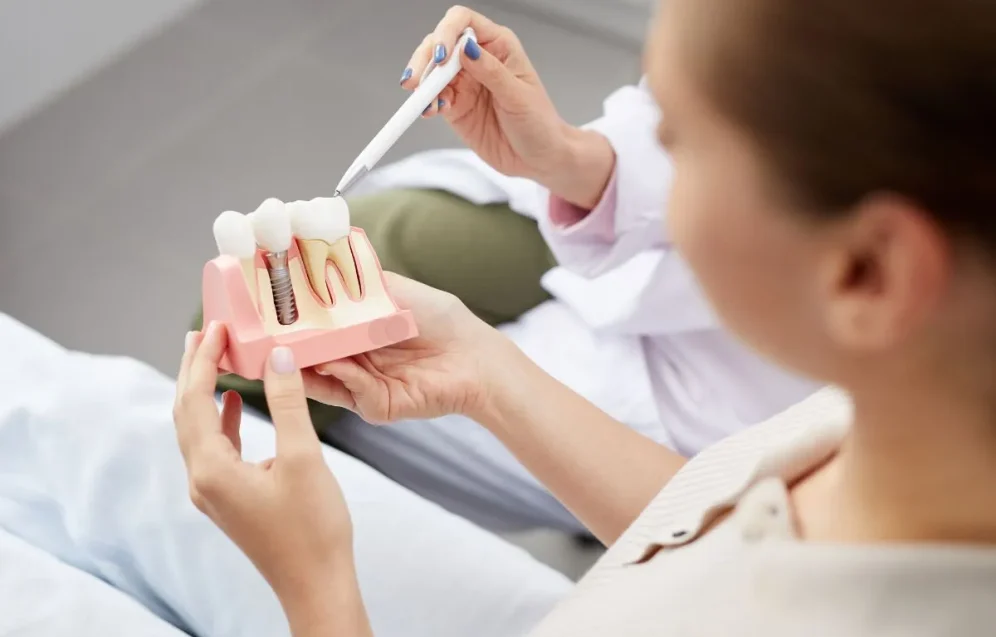
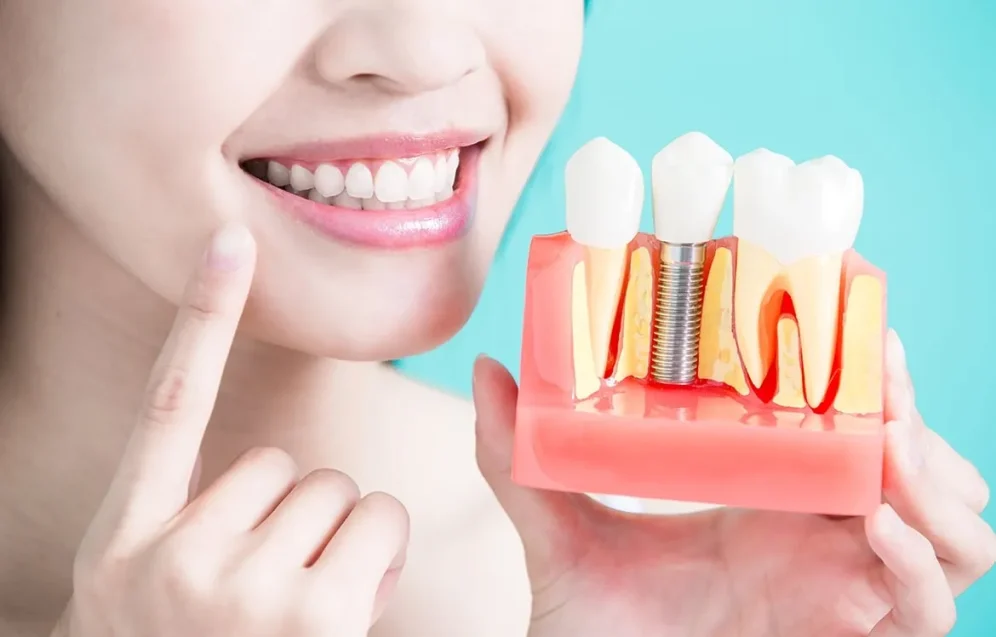
Dental implants have such high success rates because they work with your body’s natural healing processes. The titanium post we place in your jawbone is biocompatible, meaning your body accepts it rather than rejecting it. Over three to six months, your bone cells grow around and fuse with the titanium in a process called osseointegration. This fusion creates an incredibly strong bond that’s as stable as a natural tooth root. The implant becomes a permanent part of your jaw, integrated into your bone structure. Modern implant designs have textured surfaces that encourage bone growth and speed up the integration process. Decades of research and refinement have optimized implant shapes, sizes, and materials for maximum success. We also use precise surgical techniques and digital planning to place implants in the ideal position and angle. Proper placement in healthy bone with adequate density gives the implant the best foundation for long term success. When all these factors come together, implants succeed at rates that exceed most other medical procedures.
Early Failure: When Integration Doesn’t Happen
Most implant failures that occur happen in the first few months before the bone has fully integrated with the implant. Early failure usually means the bone didn’t grow around the implant properly and the implant stays loose. Infection developing right after surgery is one of the main causes of early failure. If bacteria get into the surgical site, they prevent proper healing and bone integration. Smoking is a major risk factor for early implant failure because nicotine restricts blood flow and slows healing. Patients with uncontrolled diabetes also have higher early failure rates due to impaired healing ability. Sometimes there simply isn’t enough bone density in the area, and the implant can’t get adequate support. Excessive force on the implant during the healing period can disturb the integration process. This is why we give you careful instructions about eating only soft foods while your implant heals. If an implant fails to integrate, we remove it, let the area heal, and usually can place another implant successfully. Early failures are disappointing but they’re relatively rare when proper protocols are followed.
Late Failure: Problems That Develop Years Later
Late implant failure happens after the implant has successfully integrated but then develops problems years down the road. The most common cause of late failure is peri-implantitis, which is basically gum disease around an implant. Bacteria accumulate around the implant, causing infection and bone loss just like with natural teeth. Poor oral hygiene is the main risk factor for developing peri-implantitis over time. Without proper cleaning, plaque builds up and the gums become inflamed and infected. Smoking continues to be a risk factor even years after implant placement because it affects gum health. Teeth grinding puts excessive force on implants and can cause the bone around them to break down gradually. Some people develop bone loss around implants if they have systemic health problems that affect bone metabolism. Regular dental checkups help us catch early signs of problems before they threaten the implant. We measure the bone levels around your implant with X-rays to make sure everything stays stable. Catching peri-implantitis early means we can treat it before significant bone loss occurs.
How to Maximize Your Success
There are specific things you can do to ensure your implant succeeds and lasts for decades. Follow all post-operative instructions carefully, especially regarding diet and oral hygiene during healing. Don’t smoke for at least two weeks before surgery and ideally quit permanently for best results. Keep your mouth extremely clean by brushing and flossing diligently, especially around the implant. Come in for all scheduled follow-up appointments so we can monitor your healing and catch any problems early. Avoid chewing very hard foods directly on your implant, particularly during the first year. If you grind your teeth, wear the night guard we provide to protect your implant from excessive forces. Manage any health conditions like diabetes to ensure your body can heal properly. Attend regular dental checkups and cleanings every six months after your implant is fully healed. Report any problems like pain, swelling, or looseness immediately rather than waiting. Following these guidelines gives you the best possible chance of keeping your implant for life.
What Happens If an Implant Fails
If an implant does fail, it’s not the end of the world and we have options for moving forward. We remove the failed implant, which is usually a simple procedure since it’s not integrated with bone. The area is cleaned thoroughly and allowed to heal for a few months. In many cases, we can place a new implant in the same location once healing is complete. Sometimes we need to do bone grafting to build up the area before placing another implant. If you don’t want to try another implant, we can discuss alternatives like a dental bridge instead. Most patients who experience one failed implant have success with a second attempt, especially if we address the cause of the first failure. The key is identifying why the first implant failed so we can prevent the same problem with a new implant. I always do a thorough evaluation to understand what went wrong and how to improve your chances next time. While implant failure is disappointing, it’s rarely the final word on replacing your missing tooth.
Get Implants From Experienced Specialists
Maximize your chances of implant success by choosing experienced professionals who use proven techniques. The implant team at Picasso Dental Clinic has placed thousands of successful implants with excellent outcomes. Our clinics in Hanoi, Da Nang, and Ho Chi Minh City offer state-of-the-art implant dentistry. Schedule your consultation today and join our many satisfied implant patients.