Why do teeth sometimes need root canals and how can I prevent it?

Why do teeth sometimes need root canals and how can I prevent it?
Teeth need root canals when the nerve inside becomes infected or badly damaged, usually from deep cavities, cracks, or trauma. You can prevent most root canals by maintaining excellent oral hygiene, fixing cavities early, and protecting your teeth from injury. I’m Dr. Emily, principal dentist at Picasso Dental Clinic with over 15 years of experience saving teeth through root canal treatment. Having treated more than 50,000 patients from around the world, I’ve performed thousands of root canals and helped countless people avoid them through prevention. Let me explain why root canals become necessary and what you can do to protect your teeth.
How Tooth Infections Develop
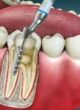
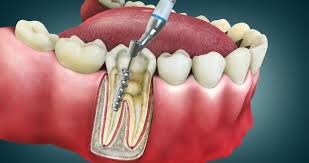
Understanding tooth anatomy helps explain why infections happen and how they progress. Each tooth has a hard outer layer of enamel, a middle layer of dentin, and a soft inner core called the pulp. The pulp contains the tooth’s nerve, blood vessels, and connective tissue that kept the tooth alive as it developed. When bacteria penetrate through the enamel and dentin to reach the pulp, infection begins. The most common way this happens is through untreated cavities that gradually get deeper over months or years. Small cavities that only affect enamel can be fixed with simple fillings and won’t threaten the nerve. But when cavities reach the dentin and continue growing, they eventually expose the pulp to bacteria. Once bacteria enter the pulp chamber, the confined space allows infection to spread quickly throughout the nerve. The tooth tries to fight the infection by increasing blood flow, which creates pressure and causes the severe toothache. Eventually the nerve tissue dies from the infection, and bacteria fill the entire root canal system. At this point, only a root canal can save the tooth because antibiotics can’t reach inside to kill the bacteria.
Other Causes Beyond Cavities
While cavities are the most common reason for needing root canals, other factors can damage tooth nerves too. Trauma from accidents, falls, or sports injuries can bruise or kill the nerve even if the tooth doesn’t crack. Sometimes a tooth gets hit and seems fine initially, but months or years later the nerve dies from that old injury. Cracks in teeth from biting hard objects or from grinding can allow bacteria to seep into the pulp. Deep fillings placed very close to the nerve can irritate it over time until it becomes inflamed beyond recovery. Repeated dental work on the same tooth can eventually stress the nerve until it fails. Some teeth develop nerve problems for no apparent reason, possibly from blood supply issues. Gum disease in advanced stages can affect tooth roots and sometimes reach the nerve through the root tip. Understanding these various causes helps you protect your teeth beyond just preventing cavities.
Prevention Through Good Oral Hygiene
The single best way to prevent root canals is maintaining excellent oral hygiene to prevent cavities. Brush your teeth twice a day for two full minutes using fluoride toothpaste and proper technique. Make sure you’re brushing all surfaces of every tooth, not just the fronts that show when you smile. Floss once daily to remove plaque and food from between teeth where your toothbrush can’t reach. These areas between teeth are where many cavities start because they’re easy to miss. Use fluoride mouth rinse if your dentist recommends it, especially if you’re prone to cavities. Limit sugary and acidic foods and drinks that feed bacteria and weaken tooth enamel. When you do have something sweet, rinse your mouth with water afterward or brush if possible. Drink plenty of water throughout the day to wash away food particles and bacteria. Don’t sip on sugary or acidic drinks constantly, as this gives bacteria steady fuel to produce tooth damaging acid. These simple daily habits prevent most cavities from ever starting, which prevents most root canals.
Early Treatment Saves Teeth
Catching dental problems early is crucial for avoiding root canals and more extensive treatment. Visit your dentist every six months for routine checkups and cleanings even if nothing hurts. We can spot tiny cavities on X-rays or during examination long before you feel any symptoms. Small cavities can be fixed with simple, painless fillings that take only minutes. Waiting until a cavity hurts usually means it’s reached or nearly reached the nerve, requiring a root canal. Don’t ignore sensitivity to hot, cold, or sweets, as these are early warning signs of problems. If you notice a chip or crack in a tooth, get it checked even if it doesn’t hurt. Small cracks can be bonded or covered before they spread deeper and expose the nerve. Address grinding or clenching problems with a night guard before you crack or wear down your teeth. The cost and time of preventive care and early treatment is far less than dealing with root canals later. Most root canals could have been prevented if the cavity had been caught and filled months or years earlier.
Protecting Teeth From Injury
Since trauma can damage nerves and lead to root canals, protecting your teeth from injury is important prevention. Wear a properly fitted mouthguard when playing contact sports like football, hockey, basketball, or martial arts. Even non-contact sports like skateboarding or mountain biking warrant mouthguards because falls happen. Custom mouthguards from your dentist fit better and protect better than store bought boil and bite versions. Don’t use your teeth as tools to open bottles, packages, or crack nuts. These habits put excessive force on teeth and can cause cracks or fractures. Be careful when biting into hard foods like ice, hard candy, or popcorn kernels that could chip teeth. If you grind your teeth at night, wear a night guard to prevent wear and cracking. Teach children to be careful during play and supervise activities where dental injuries are common. If a tooth does get injured, see a dentist immediately even if nothing seems wrong. Early treatment of trauma can sometimes prevent the nerve from dying and avoid a future root canal.
Prevent Problems With Regular Care
Don’t wait until you need a root canal to start taking care of your teeth. The preventive dentistry team at Picasso Dental Clinic helps patients maintain healthy teeth and avoid costly, painful problems. Our comprehensive checkups catch small issues before they become big ones. Visit us at any of our convenient locations in Hanoi, Da Nang, or Ho Chi Minh City. Schedule your preventive care appointment today and keep your teeth healthy for life.