This question requires an honest answer because periodontal disease is serious and home care alone cannot cure it. I’m Dr. Emily Nguyen from Picasso Dental Clinic, and while excellent home care is absolutely essential for managing gum disease, you need professional treatment first to eliminate the infection before home maintenance can be effective.
Understanding What Home Care Can and Cannot Do
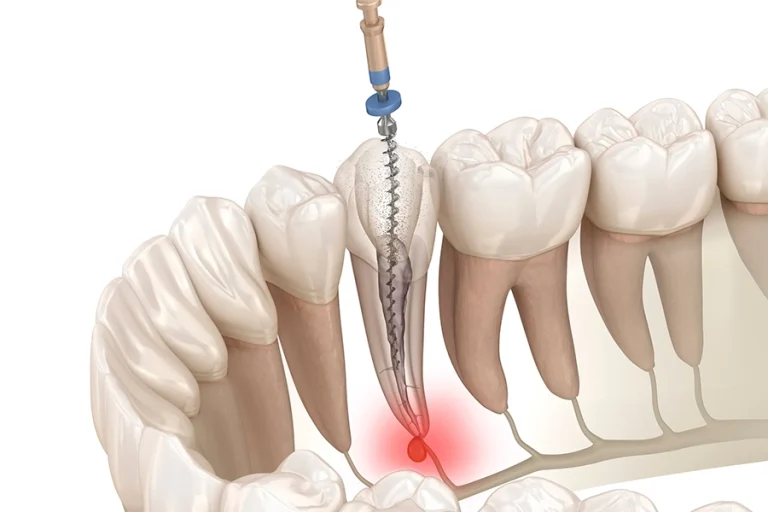
Active periodontal disease involves infection below the gumline in pockets between your teeth and gums. Hardened calculus deposits harbor bacteria that your toothbrush cannot reach. The infection causes progressive bone loss that will not reverse without professional intervention.
Home care cannot remove calculus. Once plaque hardens into tartar, it bonds to tooth surfaces and requires professional scaling instruments to remove. Brushing and flossing cannot eliminate these deposits no matter how diligently you clean.
What home care can do is prevent new plaque from hardening into calculus, reduce bacterial populations on accessible surfaces, and maintain the health we establish through professional treatment. Think of professional cleaning as removing the infection source, while home care prevents its return.
At our Hanoi clinic, I see patients who tried treating serious gum disease at home for months or years, hoping to avoid professional treatment. Unfortunately, the disease progresses during this time, causing irreversible bone loss that could have been prevented with timely professional care.
The good news is that after professional deep cleaning treats the infection, excellent home care can maintain healthy gums indefinitely. Many of my patients at Picasso Dental Clinic have kept their treated gum disease stable for years through consistent home maintenance.
Essential Daily Home Care Techniques
Proper brushing is your foundation. Use a soft-bristled brush and brush for two minutes twice daily, focusing on the gumline where bacteria accumulate. Hold your brush at a 45 degree angle to your gums and use gentle circular motions. Electric toothbrushes with pressure sensors help many patients avoid brushing too hard, which damages gums.
Flossing daily is non-negotiable for gum health. Floss removes plaque and food particles from between teeth where your toothbrush cannot reach. Wrap floss around each tooth in a C shape and slide it gently under the gumline. Many patients with gum disease tell me they don’t floss because their gums bleed. The bleeding indicates disease that will worsen without flossing, not damage from flossing itself.
Interdental brushes work beautifully for cleaning between teeth, particularly when you have spaces or receding gums. These tiny brushes reach areas that floss sometimes misses. I recommend them to many patients at our Ho Chi Minh City location who struggle with traditional floss.
Water flossers provide an excellent supplement to traditional flossing. The pulsating water stream cleans along the gumline and flushes bacteria from shallow pockets. Studies show water flossers reduce gum inflammation effectively. They’re particularly helpful for patients with arthritis, dexterity issues, or braces.
Antimicrobial mouthwash containing chlorhexidine or essential oils reduces bacterial populations temporarily. Rinse for 30 seconds after brushing and flossing. Don’t rinse with water afterward; let the antimicrobial agents continue working. Your dentist may prescribe prescription-strength rinses for short term use during active treatment.
Supporting Your Gum Health Through Lifestyle
Smoking is the single worst thing for gum disease. Tobacco dramatically impairs healing, reduces blood flow to gums, and masks symptoms so disease progresses unnoticed until advanced. If you smoke and have gum disease, quitting is more important than any home care technique I can recommend.
Nutrition affects gum health significantly. Vitamin C deficiency impairs tissue healing and collagen formation in gums. B vitamins support tissue health. Adequate protein intake provides building blocks for tissue repair. At Picasso Dental Clinic serving patients from 65 nationalities, I’ve observed that those eating balanced diets with plenty of vegetables and protein respond better to gum disease treatment.
Blood sugar control matters enormously for diabetic patients. High blood sugar impairs healing and increases infection susceptibility. Poorly controlled diabetes makes gum disease worse, while gum disease makes blood sugar harder to control. This vicious cycle requires addressing both conditions simultaneously.
Stress weakens your immune system and reduces your body’s ability to fight gum infections. While you cannot eliminate stress completely, managing it through exercise, sleep, and relaxation techniques supports your overall health including gum health.
Stay hydrated. Saliva washes away bacteria and neutralizes acids. Dry mouth from dehydration, medications, or mouth breathing increases gum disease risk. Drinking water throughout the day helps maintain healthy saliva flow.
Recognizing When You Need Professional Help
If your gums bleed regularly during brushing or flossing, this signals inflammation requiring evaluation. Occasional minor bleeding might resolve with improved home care, but persistent bleeding needs professional assessment.
Gums that are red, swollen, or pulling away from teeth indicate active disease. Healthy gums are firm and pink. If your gums look puffy or have changed color, schedule an examination.
Persistent bad breath or bad taste despite good hygiene suggests infection below the gumline that you cannot address at home. This requires professional cleaning to eliminate the bacterial source.
Loose teeth or teeth that have shifted position indicate significant bone loss from advanced gum disease. This is a dental emergency requiring immediate professional care. Home care cannot reverse this stage of disease.
At our Da Nang and Da Lat clinics, I emphasize to patients that recognizing these warning signs early and seeking treatment prevents tooth loss and extensive treatment needs.
The Professional Treatment You Actually Need
Mild gum disease might respond to one thorough professional cleaning combined with improved home care. Moderate to severe disease requires deep cleaning called scaling and root planing, where I clean below the gumline under local anesthesia.
Some cases need additional treatments like antibiotic therapy, laser treatment, or gum surgery. These decisions depend on disease severity and your response to initial treatment.
If you’re experiencing symptoms of gum disease or want to learn proper home care techniques to maintain your gum health, I’m available for evaluation at any Picasso Dental Clinic location in Hanoi, Da Nang, Ho Chi Minh City, or Da Lat.