Is Professional Teeth Whitening Safe and Will It Damage My Enamel?

Is Professional Teeth Whitening Safe and Will It Damage My Enamel?
Professional teeth whitening is completely safe when performed by a qualified dentist using approved products and techniques. The whitening gel we use does not damage your tooth enamel or make your teeth weaker. Temporary tooth sensitivity is the most common side effect and it goes away quickly after treatment. I’m Dr. Emily, principal dentist at Picasso Dental Clinic with over 15 years of experience in cosmetic dentistry. After safely whitening the teeth of more than 50,000 patients worldwide, I can confidently say that professional whitening is one of the safest dental procedures available.
How Whitening Actually Works on Your Teeth
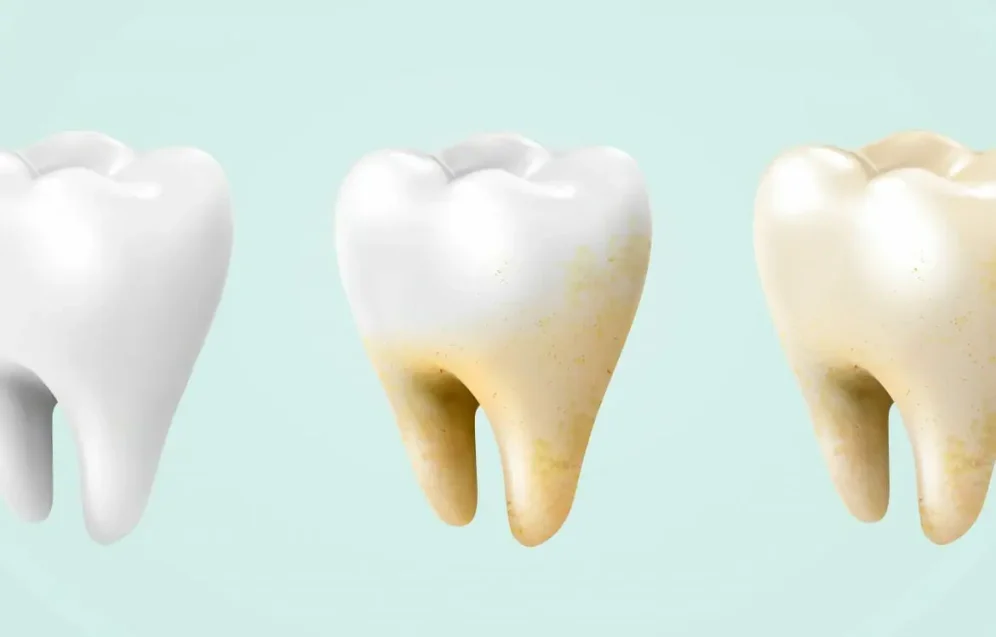
Understanding the science helps ease concerns about safety. The whitening gel contains hydrogen peroxide or carbamide peroxide, which are bleaching agents. When applied to your teeth, these chemicals break down into oxygen molecules that penetrate the porous structure of your enamel. The oxygen molecules react with the stain molecules trapped inside your enamel, breaking them apart. This chemical reaction literally lifts stains from within your tooth structure. The process does not remove any enamel or change the physical structure of your teeth. Think of it like bleaching a stained white shirt, the fabric itself stays intact while the stains disappear. Your enamel is the hardest substance in your body, harder than bone, and the concentrations used in professional whitening cannot harm it. The Zoom light we use activates the gel and speeds up the whitening process but does not generate harmful heat or radiation. After whitening, your enamel remains just as strong and protective as before.
Why Professional Whitening Is Safer Than DIY Methods
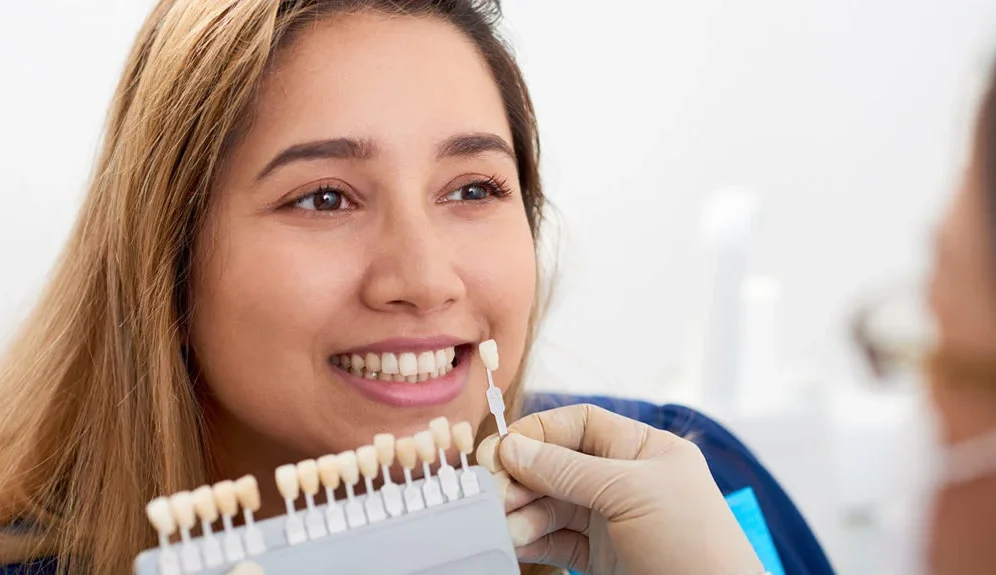
Professional whitening gives you results under controlled conditions with expert supervision. We examine your teeth first to make sure whitening is appropriate and won’t cause problems. If you have cavities or gum disease, we treat those issues before whitening because whitening gel on exposed tooth roots or open cavities can cause pain. We use protective barriers to shield your gums, lips, and soft tissues from the whitening gel. The concentration of whitening agent we use is stronger than over the counter products, which is why it works better, but we know exactly how to use it safely. Store bought whitening strips or trays are one size fits all and often allow gel to contact your gums, causing irritation. Some trendy DIY whitening methods found online can be downright dangerous. Charcoal toothpastes are abrasive and can actually wear away enamel over time. Lemon juice or baking soda hacks are too acidic and can erode enamel. At our Ho Chi Minh City location, we often treat patients who damaged their teeth trying unsafe whitening methods at home.
Managing Sensitivity During and After Whitening
Tooth sensitivity is the most common side effect of whitening but it’s temporary and manageable. The sensitivity happens because the whitening process temporarily makes your teeth more porous, allowing sensations to reach the nerve more easily. Most people experience mild sensitivity to cold for a day or two after treatment. Some people feel a zingy sensation during the whitening process itself, which goes away as soon as we remove the gel. Before your appointment, we can apply a desensitizing treatment to minimize discomfort. We provide special toothpaste designed for sensitive teeth to use before and after your whitening session. Taking an over the counter pain reliever like ibuprofen before your appointment can help prevent sensitivity. During treatment, if you experience discomfort, we can adjust the procedure or take breaks. After whitening, avoid very hot or very cold foods and drinks for 24 to 48 hours. The sensitivity always resolves completely within a few days. People with naturally sensitive teeth can still get professional whitening, we just take extra precautions.
Who Should Avoid Teeth Whitening
While whitening is safe for most people, certain situations require caution or alternative approaches. Pregnant and nursing women should postpone whitening until after pregnancy and breastfeeding, not because whitening is dangerous, but because we prefer to be extra cautious. Children under 16 shouldn’t have whitening because their tooth pulp is still developing and might be more sensitive. People with severely worn enamel might not be good candidates because thin enamel increases sensitivity. If you have many dental crowns or veneers in your smile line, whitening won’t work on those restorations, only on natural teeth. This can create color mismatches. People with gum disease need that treated first before whitening. Those allergic to peroxide should obviously avoid peroxide based whitening. If you have extremely dark stains from certain medications like tetracycline, whitening might not be effective enough and veneers might be a better option. During your consultation, I’ll evaluate your specific situation and let you know if whitening is right for you.
Long Term Effects and Repeated Whitening
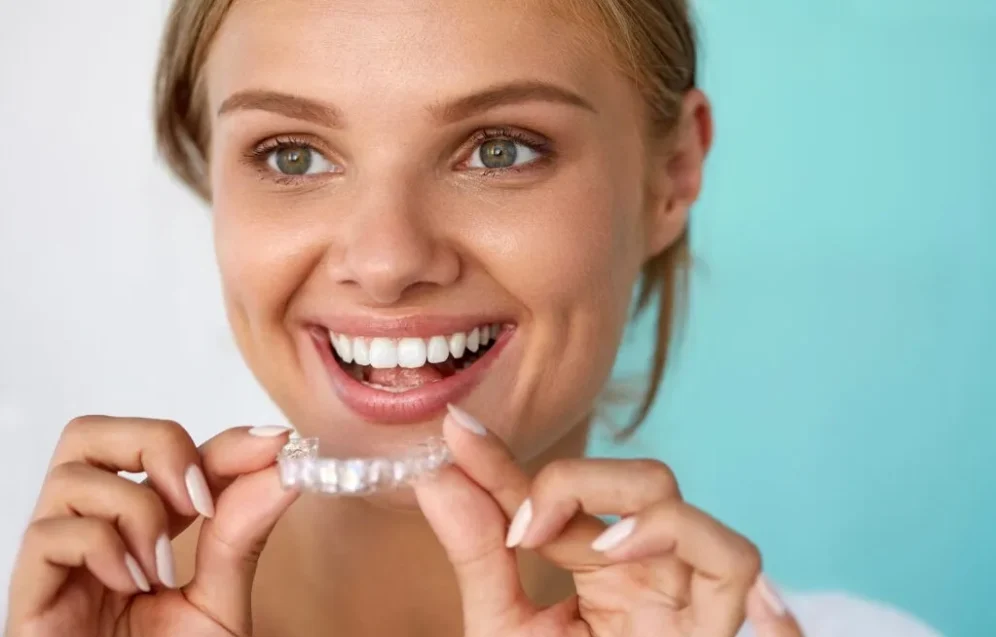
Research has shown that professional teeth whitening has no long term negative effects on enamel strength or tooth health. Studies following patients for many years after whitening show no increased rates of decay or enamel problems. Many people do repeated whitening sessions over their lifetime, and this is perfectly safe when done properly. We generally recommend waiting at least six months between full whitening treatments to give your teeth a break. Touch up treatments can be done more frequently if needed for special occasions. Some patients use custom whitening trays at home between professional sessions to maintain their results. This approach keeps teeth bright without needing frequent in office treatments. The key to safe repeated whitening is moderation and professional guidance. At Picasso Dental Clinic, we create personalized maintenance plans for each patient. We help you balance getting the bright smile you want with protecting your long term dental health.
Protecting Your Investment After Whitening
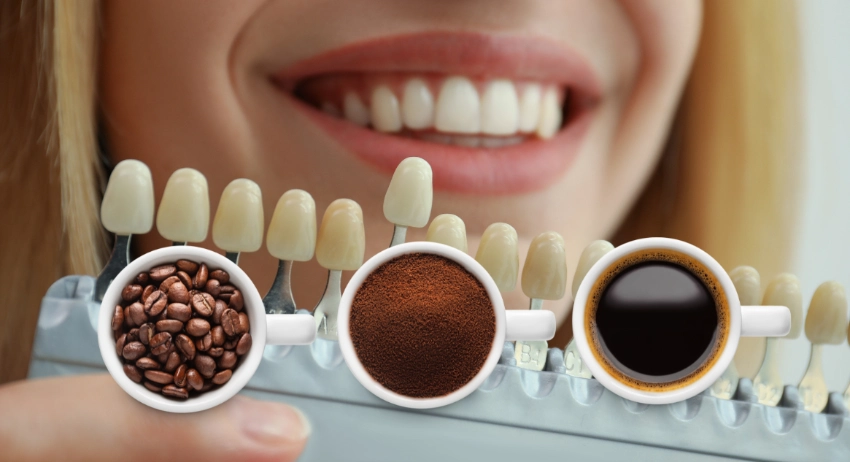
Once you’ve invested in professional whitening, you want to maintain those results as long as possible. The first 48 hours after treatment are critical because your teeth are more porous and absorb stains more easily during this time. Avoid all dark colored foods and beverages like coffee, tea, red wine, berries, soy sauce, and tomato sauce. Stick to light colored foods like chicken, fish, rice, potatoes, and bananas. After the first two days, you can return to your normal diet but your habits matter. Drinking coffee or tea through a straw reduces contact with your front teeth. Rinsing your mouth with water after consuming staining foods helps prevent buildup. Good oral hygiene removes surface stains before they set in. Not smoking keeps teeth whiter longer since tobacco is one of the worst staining culprits. Coming in for regular professional cleanings removes surface stains and keeps your smile bright. With good habits, professional whitening results can last one to three years. When you start noticing your teeth getting darker again, you can schedule a touch up treatment at our website.
Get a Brighter Smile the Safe Way
Don’t risk damaging your teeth with unsafe DIY whitening methods. Professional Zoom teeth whitening at Picasso Dental Clinic gives you dramatic results safely and comfortably. Our experienced team uses proven techniques and premium products to protect your teeth while delivering the bright smile you want. We take time to address your concerns and customize treatment to your needs. Whether you’re worried about sensitivity or just want to understand the process, we’re here to answer all your questions. Stop hiding your smile and start showing it off with confidence. Schedule your whitening consultation today at any of our Hanoi, Da Nang, or Ho Chi Minh City locations. Take the first step toward a brilliantly white smile by booking your appointment now.