This is one of the most important questions patients ask before committing to dental implants, and rightfully so. I’m Dr. Emily Nguyen, Principal Dentist at Picasso Dental Clinic, and having placed thousands of implants over the past decade, I can give you a clear picture based on real long term outcomes.
The Implant Post Versus the Crown
Understanding the difference between the implant post and the crown is essential because they have vastly different lifespans. The implant itself is the titanium screw surgically placed into your jawbone. This metal post fuses with your bone through a process called osseointegration over three to six months.
Once that fusion is complete, the titanium post becomes incredibly stable. I’ve seen implants placed in the early 2000s still functioning perfectly at our Hanoi clinic. The titanium doesn’t decay, rarely corrodes, and your body accepts it as if it were natural bone. Barring infection or trauma, the post itself can last your entire life.
The crown, on the other hand, sits on top of the implant post and does all the actual chewing work. This crown is typically made of porcelain fused to metal or solid zirconia. Like natural teeth, crowns experience wear from daily use. They can chip, crack, or wear down over time.
At Picasso Dental Clinic, I tell patients to expect crown replacement every 10 to 15 years on average. Some crowns last 20 years or more with gentle use and excellent care. Others might need replacement sooner if you grind your teeth or chew very hard foods regularly.
Replacing just the crown is straightforward and far less involved than the original implant surgery. I simply unscrew or remove the old crown and attach a new one to the existing implant post. This takes about an hour and involves no surgery or healing time.
What Affects How Long Your Implants Last
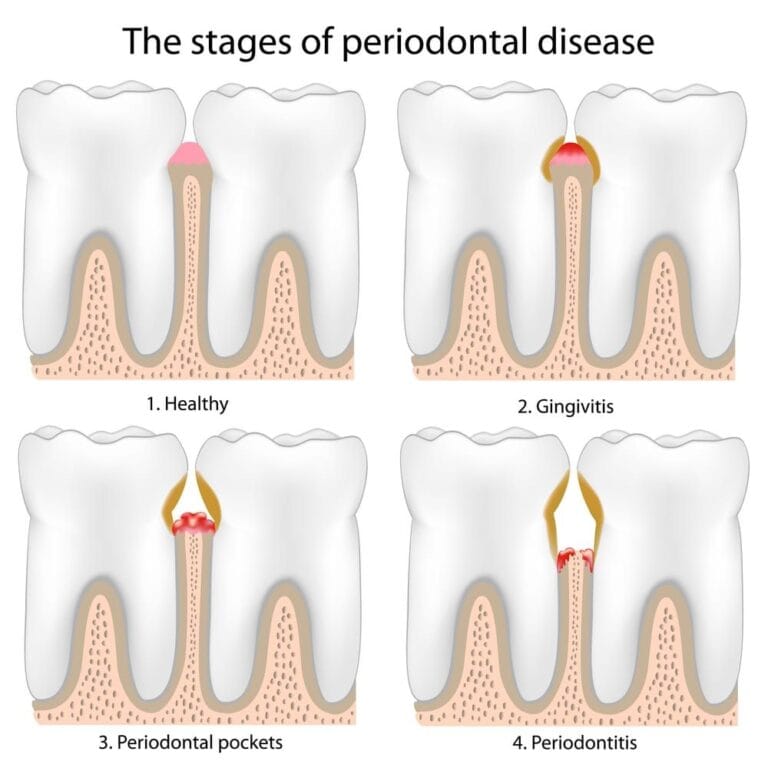
Oral hygiene is the single biggest factor in implant longevity. Implants can’t get cavities, but the surrounding gum tissue can still develop infection. Peri-implantitis, which is essentially gum disease around an implant, is the leading cause of implant failure after the initial healing period.
Patients who brush twice daily, floss around their implants, and visit us every six months for cleanings at our Da Nang or Ho Chi Minh City locations maintain their implants far longer than those who neglect home care. I’ve seen implants fail within five years due to poor hygiene and others still perfect after 25 years in patients who care for them properly.
Smoking dramatically reduces implant lifespan. Nicotine restricts blood flow to your gums, impairing healing and increasing infection risk. In my experience treating over 70,000 patients, smokers have roughly double the implant failure rate compared to non-smokers.
Your overall health matters too. Conditions like uncontrolled diabetes, osteoporosis, or autoimmune diseases can compromise bone density and healing capacity. This doesn’t mean you can’t have implants, but these conditions require closer monitoring and sometimes more frequent checkups.
The location of the implant affects longevity. Back molars endure much greater chewing forces than front teeth. Implants replacing molars may need crown replacement more frequently due to heavier wear, though the implant post typically remains stable.
Warning Signs Your Implant Needs Attention
Most implant problems develop gradually, giving you time to address them before serious damage occurs. Bleeding around the implant when you brush or floss is an early warning sign of inflammation. Healthy gum tissue around implants shouldn’t bleed with gentle cleaning.
Any looseness or movement in the implant or crown requires immediate evaluation. A loose crown might simply need retightening, but a loose implant post indicates potential bone loss or infection. At our clinics, I can usually save implants if patients come in quickly when they notice problems.
Persistent bad taste or odor around the implant, especially combined with pus or discharge, signals infection. This requires professional treatment. Antibiotics alone rarely solve the problem without thorough cleaning of the affected area.
Pain around a healed implant is never normal. Once an implant has integrated and healed, you shouldn’t feel discomfort. New pain after months or years of comfort means something has changed, whether infection, bone loss, or crown problems.
Gum recession around the implant exposes the metal post or abutment. While not always painful, exposed metal looks unsightly and can indicate bone loss underneath. I address this through deep cleaning, antimicrobial treatments, or sometimes bone grafting at our Da Lat location.
Making Your Implants Last a Lifetime
The good news is that you control most factors affecting implant longevity. Brush your implants just like natural teeth using a soft bristled toothbrush and non-abrasive toothpaste. Pay special attention to where the crown meets the gum tissue, as this is where bacteria accumulate.
Floss daily around your implants. Special floss designed for implants works well, or use regular floss gently. Water flossers are excellent for cleaning around implants and I recommend them to most patients at Picasso Dental Clinic.
Avoid using your implants as tools. Don’t crack nuts, open packages, or chew ice with implant-supported teeth. While implants are strong, they’re not indestructible. Excessive force can damage the crown or even stress the implant post.
If you grind or clench your teeth, wear a night guard. Grinding creates enormous forces that accelerate crown wear and can even cause implant failure. A custom night guard from our clinic protects your investment while you sleep.
Schedule professional cleanings every six months, or every three to four months if you have a history of gum disease. During these visits, I check the stability of your implants, clean areas you can’t reach at home, and catch small problems before they become serious.
Maintain good overall health. Control diabetes, don’t smoke, eat a balanced diet, and stay hydrated. Your implants are part of your body, and they benefit from the same healthy habits that support your general wellbeing.
If you have questions about dental implants or want to discuss whether they’re right for you, I’m available at any of our Picasso Dental Clinic locations in Hanoi, Da Nang, Ho Chi Minh City, or Da Lat.