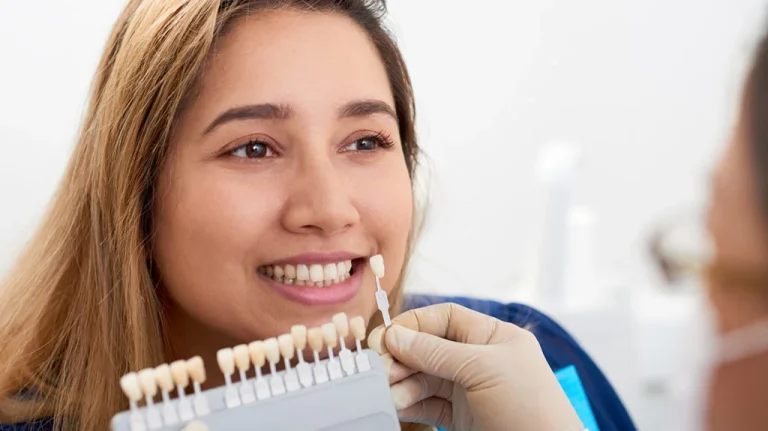
This is one of the top concerns I hear from patients considering professional whitening at Picasso Dental Clinic. I’m Dr. Emily Nguyen, Principal Dentist, and after whitening smiles for over 70,000 patients from 65 nationalities since 2013, I can give you an honest answer about sensitivity and how to manage it.
Why Sensitivity Happens During Whitening
Whitening gel contains hydrogen peroxide or carbamide peroxide that penetrates tooth enamel to reach discolored molecules inside the tooth. This penetration temporarily opens tiny tubules in the enamel that connect to the tooth’s nerve. When these pathways open, teeth become sensitive to temperature changes, air, and pressure. The laser or LED light accelerates this chemical process, intensifying the effect.
The sensitivity isn’t damage to your teeth. It’s a temporary reaction to the whitening chemistry. Think of it like mild sunburn that makes your skin sensitive for a day or two before returning to normal. Your teeth are structurally fine, just temporarily reactive to stimuli they normally wouldn’t notice.
Individual sensitivity varies widely based on your baseline tooth condition. People with naturally thin enamel, existing gum recession exposing root surfaces, or previous sensitivity issues experience more discomfort than those with thick enamel and healthy gums. At our clinics across Vietnam, I evaluate these factors before whitening to predict likely sensitivity levels and adjust treatment accordingly.
How Laser Whitening Compares to Other Methods
Laser or light activated whitening uses higher concentration gel for shorter time periods, typically 15 to 20 minutes per session. This produces dramatic results quickly but can cause more immediate sensitivity than gradual methods. The intensity of the treatment correlates with intensity of temporary sensitivity, though results also appear faster and more noticeably.
Take home whitening trays use lower concentration gel applied over multiple nights or weeks. This gradual approach often causes less sensitivity per application, but you’re exposing teeth repeatedly over longer periods. Total sensitivity may actually equal or exceed in-office treatment, just spread out differently. What patients at Picasso Dental Clinic often prefer about laser whitening is getting both the results and the sensitivity over with in one appointment.
Over the counter whitening strips fall somewhere in between. They use moderate concentrations but less precise application, sometimes causing gum irritation alongside tooth sensitivity. The uneven results and unpredictable sensitivity make professional treatment more reliable despite the higher cost.
Prevention Strategies That Actually Work
Starting desensitizing toothpaste two weeks before your whitening appointment significantly reduces sensitivity. These toothpastes contain potassium nitrate or stannous fluoride that blocks the tubules connecting to tooth nerves. Using this toothpaste twice daily builds up protection that makes the whitening process much more comfortable. I recommend this to every patient booking laser whitening at our Hanoi, Da Nang, and Ho Chi Minh City locations.
Applying desensitizing gel immediately before whitening treatment provides additional protection. This professional product forms a temporary barrier that reduces penetration of whitening agents into sensitive areas. The trade off is slightly less dramatic whitening, but for sensitive patients, this compromise delivers excellent results with minimal discomfort.
Adjusting the whitening protocol helps too. Instead of one intensive 60 minute session, I sometimes use two 30 minute sessions or reduce gel concentration slightly for very sensitive patients. Results take a bit longer to achieve, but sensitivity stays manageable. What I’ve learned since 2013 is that customizing treatment intensity to individual tolerance produces happier patients than pushing everyone through the same protocol.
Managing Sensitivity After Treatment
The first 24 hours after laser whitening typically involve the most sensitivity. Avoiding extreme temperatures helps significantly. Skip ice water, hot coffee, and very cold or hot foods. Room temperature or lukewarm items feel much more comfortable while your teeth recover from the whitening process.
Over the counter pain relievers like ibuprofen reduce inflammation and sensitivity effectively. Taking a dose immediately after your whitening appointment, before sensitivity develops, often prevents discomfort from becoming noticeable. Continuing the medication every six to eight hours for the first day keeps you comfortable during peak sensitivity time.
Continuing desensitizing toothpaste for several days after whitening extends the protective effect and speeds recovery. Some patients at Picasso Dental Clinic switch to desensitizing toothpaste permanently after whitening, finding it keeps their teeth feeling better long term even beyond the whitening related sensitivity.
When Sensitivity Becomes a Concern
Normal whitening sensitivity feels like brief zingers or aches when teeth encounter cold air, cold drinks, or sweet foods. This discomfort appears within hours of treatment and gradually improves over one to three days. What concerns me is sensitivity that worsens after 48 hours instead of improving, or pain so severe that over the counter medication doesn’t help.
Prolonged sensitivity lasting more than a week may indicate pre-existing dental problems the whitening exposed rather than caused. Undiagnosed cavities, cracked teeth, or gum recession can become symptomatic after whitening because the treatment temporarily amplifies any existing issues. These situations require dental examination to identify and address the underlying problem.
Sharp, localized pain in one specific tooth differs from general sensitivity across all whitened teeth. Single tooth pain suggests a problem with that particular tooth needing evaluation. At our clinics, I examine patients experiencing unusual post-whitening symptoms to ensure nothing more serious is happening.
Who Should Avoid or Modify Laser Whitening
Patients with severe existing sensitivity often struggle with laser whitening even with preventive measures. For these people, I recommend either skipping professional whitening entirely or using very gradual take home methods with close monitoring. Pushing through severe sensitivity isn’t worth the cosmetic benefit and can create lasting negative associations with dental care.
Exposed root surfaces from gum recession whiten poorly and become extremely sensitive during treatment. Roots lack the protective enamel layer, making them highly reactive to whitening chemicals. I sometimes apply protective barriers to recession areas before whitening the enamel portions, or recommend treating recession first before attempting cosmetic whitening.
Recent dental work including fillings, crowns, or gum surgery requires healing before whitening. Fresh dental work may be sensitive already, and adding whitening sensitivity on top creates unnecessary discomfort. Waiting four to six weeks after dental procedures allows complete healing before whitening treatment.
Long Term Effects on Tooth Sensitivity
Laser whitening doesn’t create permanent sensitivity in healthy teeth. The temporary opening of enamel tubules reverses as the whitening chemistry clears from your teeth. By 72 hours post treatment, almost all patients report their teeth feel completely normal again. What worried patients often ask is whether repeated whitening damages teeth, and research consistently shows it doesn’t when performed appropriately.
Some people do develop slightly increased baseline sensitivity after multiple whitening treatments over years. This isn’t damage but rather a cumulative effect of repeated enamel penetration. Using desensitizing products between whitening sessions and spacing treatments at least six months apart minimizes this effect.
The key is working with a dentist who monitors your tooth health and adjusts protocols based on your response. At Picasso Dental Clinic since 2013, I’ve whitened many patients’ teeth multiple times over the years without creating permanent sensitivity problems because we use appropriate techniques and give teeth adequate recovery time between treatments.
Realistic Expectations About the Trade Off
Most patients find brief sensitivity a worthwhile exchange for dramatically whiter teeth achieved in a single appointment. What I share honestly is that you’ll likely experience some sensitivity, but it will be temporary and manageable. Going into treatment with this expectation prevents disappointment or concern when sensitivity appears.
The whitening results last six months to two years depending on your diet and habits, while sensitivity lasts one to three days. The benefit to discomfort ratio strongly favors proceeding with treatment for most people seeking whiter smiles. The confidence boost and aesthetic improvement patients describe far outweighs the temporary inconvenience.
If you’re considering laser teeth whitening but concerned about sensitivity, I encourage you to schedule a consultation at any of our Picasso Dental Clinic locations in Hanoi, Da Nang, Ho Chi Minh City, or Da Lat. We can evaluate your sensitivity risk, discuss prevention strategies, and create a whitening plan that delivers beautiful results with minimal discomfort.