This question reveals a common misunderstanding about dental crowns that I should clarify immediately. I’m Dr. Emily Nguyen from Picasso Dental Clinic, and the answer depends on what you mean by “heal” because the crown itself doesn’t heal; it’s your tooth and surrounding tissues that need adjustment time.
Understanding What Actually Happens After Crown Placement
The crown is a porcelain, ceramic, or metal restoration that doesn’t change after placement. It’s permanently cemented to your prepared tooth and becomes a fixed part of your dental structure. What people perceive as “healing” is actually an adjustment period where your tooth, gums, and bite adapt to the new restoration.
Your tooth has been prepared by removing some structure and potentially irritated during the process. The gum tissue was pushed aside temporarily to place the crown margins below the gumline. Your bite may feel slightly different because the crown shape differs from your original tooth. All of these factors create sensations that resolve as your mouth adjusts.
At our Hanoi clinic, I explain to patients that they should expect some initial awareness of the crown, but this awareness should fade quickly. By the end of the first week, most patients report that the crown feels normal and they’re no longer conscious of it.
The adjustment timeline varies based on several factors including whether you had root canal treatment before the crown, how much tooth structure was removed during preparation, your individual pain sensitivity, and the precision of the crown fit.
The First 24 to 48 Hours after Crown placement
Immediately after crown placement, your mouth will feel numb from local anesthetic for two to four hours. Once numbness wears off, you’ll become aware of the new crown. It might feel slightly high when you bite, or your tongue might constantly explore it because it’s new and different.
Some tooth sensitivity to hot or cold is normal for the first day or two. The preparation process irritates the tooth nerve slightly, and it needs time to calm down. This sensitivity should be mild and temporary, not severe or prolonged.
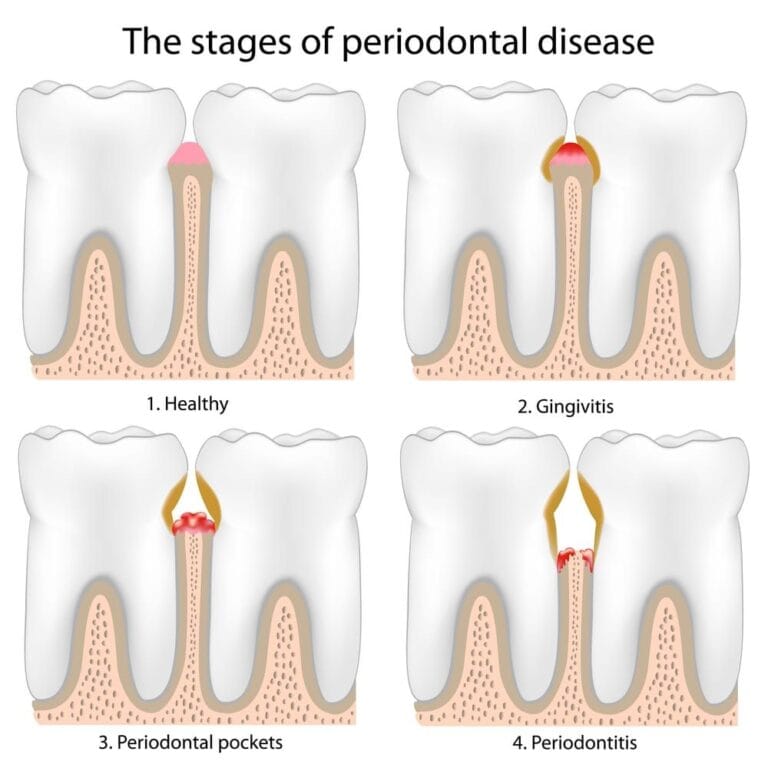
Your gums around the crown may feel tender or look slightly red from manipulation during the procedure. Some minor bleeding when you first floss around the crown is normal. This gum irritation typically resolves within three to five days.
I recommend soft foods for the first 24 hours, not because the crown is fragile but because your tooth and gums are sensitive. Avoid extremely hot or cold foods initially. By the second day, most patients at Picasso Dental Clinic resume normal eating without issues.
If the crown feels noticeably high when you bite, contact your dentist promptly. This isn’t a healing issue; it’s an adjustment issue that requires a quick polish to perfect the bite. Don’t wait hoping it will improve on its own.
Week One: Gum Tissue Adaptation
During the first week, gum tissue around the crown margins completes most of its healing. Any redness, tenderness, or minor bleeding should resolve. The gums conform to the crown contours and seal against it properly.
Flossing might feel different around the crown because the contact points and contours differ from your natural tooth. This is normal. You should be able to floss between the crown and adjacent teeth without the floss shredding or catching. If flossing is difficult, the crown margins may need adjustment.
Temperature sensitivity typically improves significantly by day five to seven. If you still experience sharp sensitivity to cold or hot by the end of the first week, inform your dentist. This might indicate that the crown is too close to the nerve or that the tooth needs root canal treatment.
Your bite should feel comfortable by the end of week one. The crown should make even contact with opposing teeth without feeling high or causing jaw fatigue. At our Ho Chi Minh City location, I schedule follow up appointments if patients report persistent bite issues because this affects long term success.
Some people clench or grind at night without realizing it, which can make a new crown feel sore in the morning. This isn’t a healing problem but rather a habit issue that might require a night guard.
Weeks Two Through Four: Complete Integration
By week two, most patients no longer think about their crown. It functions like a natural tooth, and all sensitivity has resolved. The gums have healed completely and appear healthy pink around the crown margins.
If sensitivity persists beyond two weeks, especially if it’s worsening rather than improving, this signals a potential problem. The tooth might need root canal treatment, the crown might have a defect, or decay could be present at the margins. Don’t assume prolonged sensitivity is normal healing.
Occasional mild sensitivity during this period, especially to very cold foods, can still be normal if it’s improving gradually. The key is the trend: discomfort should be decreasing, not increasing or staying constant.
By week four, the crown should feel completely integrated. You shouldn’t notice it at all during eating, speaking, or normal activities. At this point, the crown has become a permanent, comfortable part of your mouth.
Factors That Affect Adjustment Time
Teeth that received root canal treatment before crown placement typically have easier adjustment periods because the nerve is removed. These teeth don’t experience sensitivity, though the surrounding tissues still need time to adapt.
Teeth that remain vital with living nerves sometimes take longer to adjust, especially if significant tooth structure was removed during preparation. The nerve can remain irritated for two to three weeks before completely calming down.
Crown material affects adjustment slightly. All-ceramic crowns sometimes cause less initial sensitivity than metal-based crowns because they insulate temperature changes better. However, differences are minor with modern materials.
Your overall oral health influences healing. Patients with excellent gum health adjust faster than those with pre-existing inflammation. At our Da Nang and Da Lat clinics serving patients from 65 nationalities, I’ve noticed that people who maintain excellent hygiene experience smoother adjustment periods.
If you have concerns about how your crown is healing or if you’re experiencing prolonged discomfort after crown placement, I’m available for evaluation at any Picasso Dental Clinic location in Hanoi, Da Nang, Ho Chi Minh City, or Da Lat.