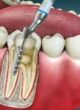
Hairline Crack in Porcelain Crown? What You Need to Know
A hairline crack in a porcelain crown doesn't always require immediate replacement, but it does need professional evaluation. At Picasso Dental Clinic, I examine the crack's depth, location, and whether it extends to the underlying tooth structure. Surface crazing, tiny hairline cracks in the glaze layer, often doesn't compromise the crown's integrity and can be polished smooth. However, cracks that extend through the full thickness of the porcelain or reach the margin where crown meets tooth need replacement to prevent bacteria infiltration and further damage. In my experience serving 70,000 plus patients, about 60 percent of hairline cracks we see are superficial and can be monitored, while 40 percent require crown replacement within six to twelve months.
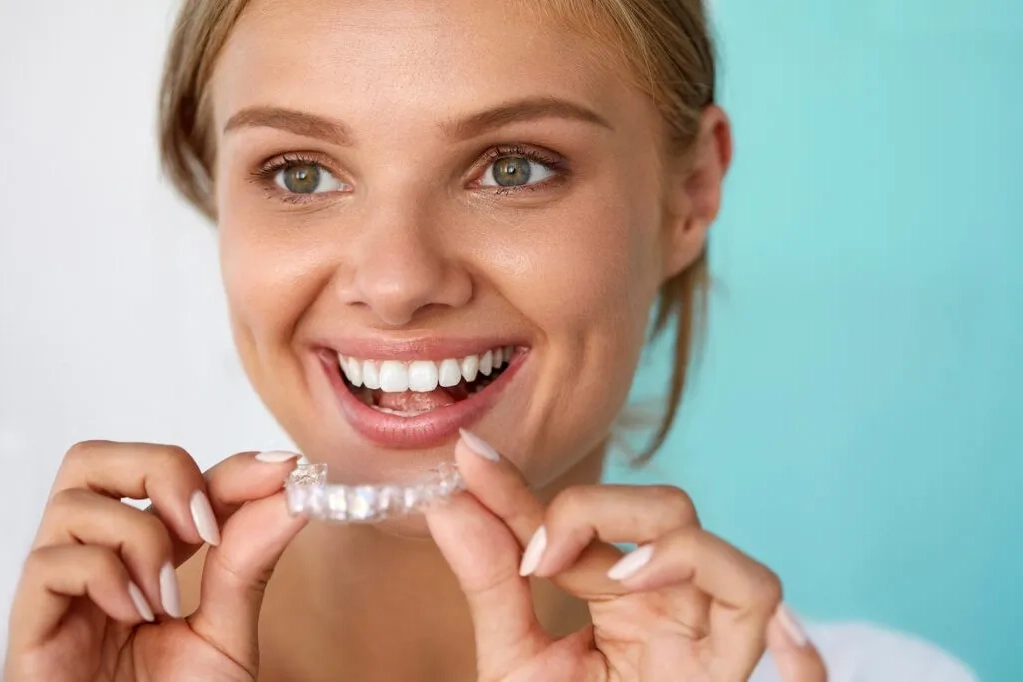
What are alternatives to Invisalign?
You have excellent alternatives to Invisalign, including other clear aligner brands like ClearCorrect and SureSmile, ceramic braces that blend with your teeth, lingual braces hidden behind your teeth, and even porcelain veneers for cosmetic correction without moving teeth at all. At Picasso Dental Clinic, I've successfully treated patients from 65 countries using all these methods. The best choice depends on your specific misalignment, budget, timeline, and lifestyle. Clear aligners work beautifully for mild to moderate cases, but ceramic or lingual braces handle complex movements better. For patients at our Hanoi, Da Nang, and Ho Chi Minh City clinics seeking instant results, veneers can create a straight appearance in just two visits.

Which is better braces or Invisalign?
Neither braces nor Invisalign is inherently better; the right choice depends on your specific case, lifestyle, and priorities. Traditional braces work for all misalignment types including severe cases, cost less, and require no patient compliance beyond appointments. Invisalign offers near invisibility, removability for eating and cleaning, and more comfort, but only treats mild to moderate cases, costs more, and requires discipline to wear 22 hours daily. At Picasso Dental Clinic, where I've completed thousands of orthodontic cases since 2013 treating over 70,000 patients, I recommend braces for complex corrections and Invisalign for appropriate candidates valuing aesthetics and convenience
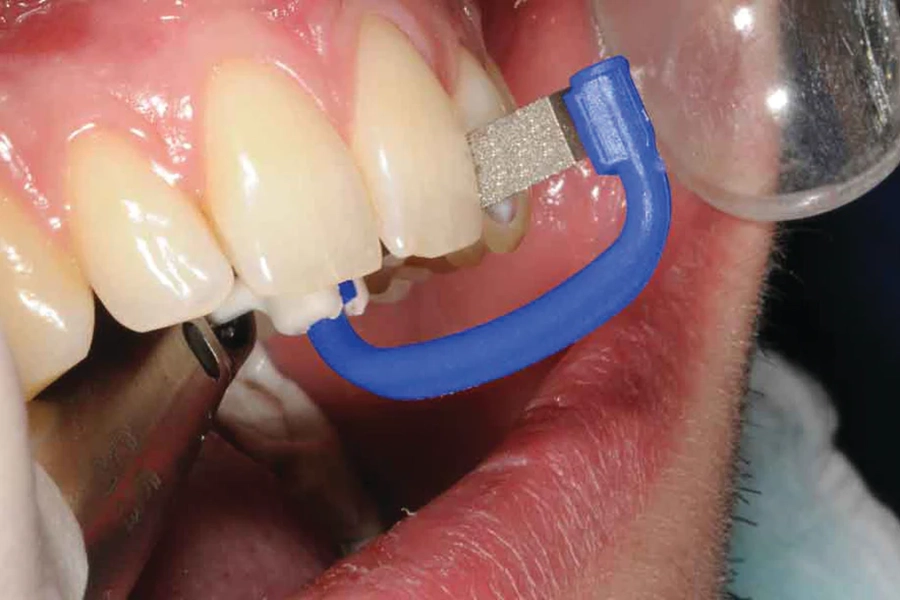
Why do I need Interproximal Reduction IPR for my Invisalign treatment?
Interproximal reduction, also called IPR or tooth stripping, involves removing tiny amounts of enamel between teeth to create space. I use a special file or disc to remove 0.2 to 0.5 millimeters of enamel from the sides of specific teeth. You need IPR for Invisalign when your teeth are crowded and there's not enough room for them to align properly. At Picasso Dental Clinic, where I've completed over 1,500 Invisalign cases since 2013, about 70% require some IPR. It's painless, doesn't damage teeth, and often prevents the need for tooth extractions to create space.

Does Teeth Whitening Damage Tooth Enamel?
Professional teeth whitening, when done correctly with appropriate concentrations of hydrogen peroxide or carbamide peroxide, does not damage tooth enamel. Research consistently shows that whitening agents penetrate enamel to bleach underlying dentin without eroding or weakening the enamel structure itself. At Picasso Dental Clinic, I've performed whitening treatments for over a decade without seeing permanent enamel damage from properly administered professional whitening. However, overuse of whitening products, especially high concentration treatments done too frequently or for extended periods, can cause temporary sensitivity and may damage enamel if misused. The key is professional supervision, appropriate product selection, and following recommended treatment protocols rather than excessive, unguided whitening.

Zoom laser teeth whitening side effects & Risks
The most common side effect of Zoom whitening is temporary tooth sensitivity lasting 24 to 72 hours after treatment. About 60% of patients experience some sensitivity to cold temperatures or air. Gum irritation occurs if the protective barrier isn't applied perfectly, causing temporary soreness. These effects resolve quickly without lasting damage. At Picasso Dental Clinic, where I've performed thousands of Zoom treatments since 2013, serious complications are extremely rare when proper protocols are followed. The hydrogen peroxide gel is FDA approved and safe when applied by trained professionals at our Hanoi, Da Nang, and Ho Chi Minh City locations.
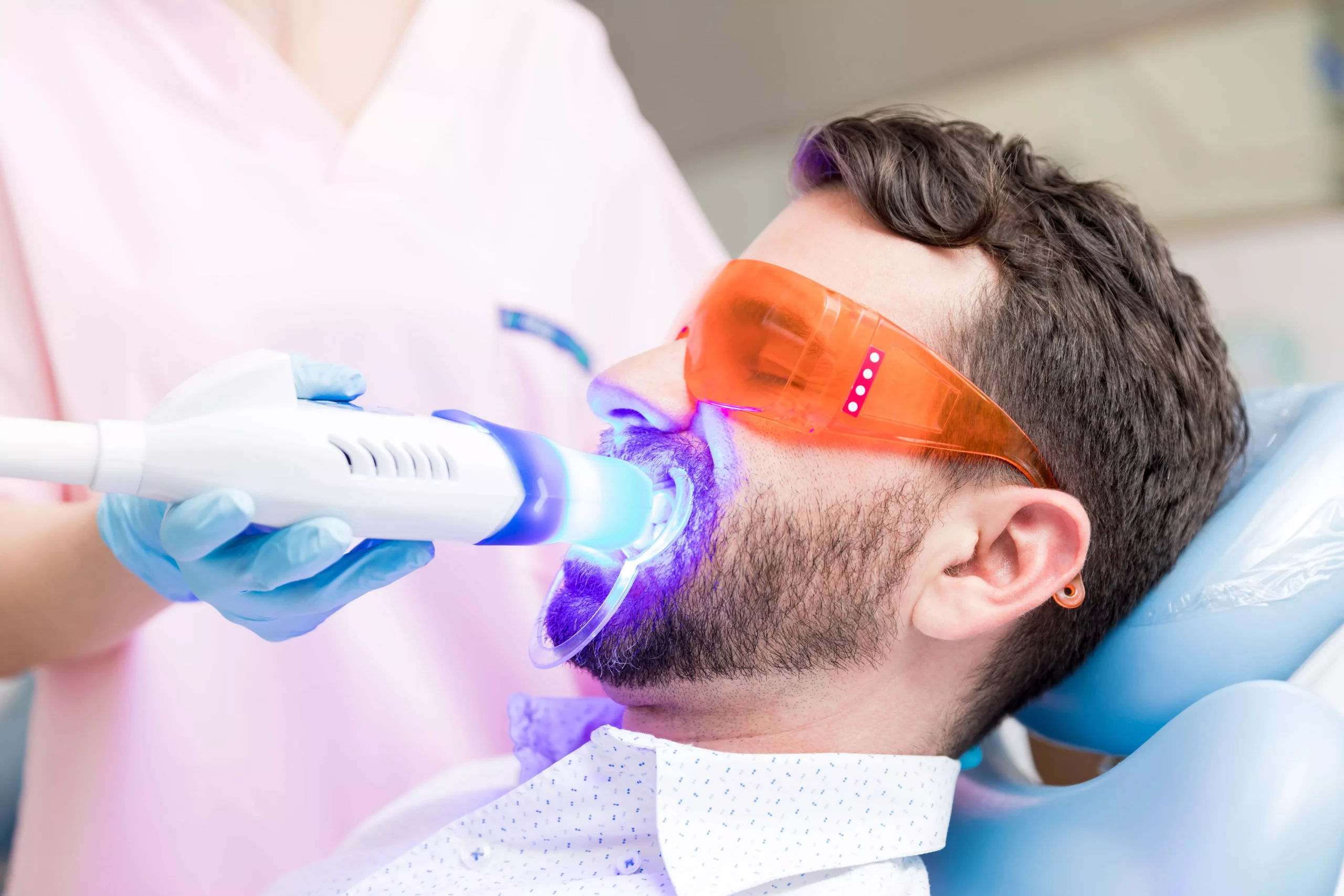
Zoom laser teeth whitening cost in Vietnam
Zoom teeth whitening in Vietnam typically costs between 5 million and 8 million VND (approximately $200 to $320 USD) per session at reputable clinics. At Picasso Dental Clinic, we charge 5-7 million VND for professional Zoom whitening at our Hanoi, Da Nang, and Ho Chi Minh City locations. This includes the full procedure, protective measures, and post-treatment care. Prices vary based on clinic location, dentist experience, and whether you need preliminary treatments like cleaning or cavity filling. Since opening in 2013, I've found that extremely low prices often mean outdated equipment or undertrained staff.