How Long Should I Stop Vaping Before Wisdom Teeth Removal?
You should stop vaping at least 72 hours before wisdom teeth removal, though longer is better. The heat, chemicals, and suction involved in vaping all increase your risk of dry socket, which is an extremely painful complication where the blood clot protecting your extraction site dislodges. More importantly, avoid vaping for at least five to seven days after surgery. At Picasso Dental Clinic, where I've performed thousands of extractions since 2013 treating over 70,000 patients, I've seen dry socket rates dramatically higher in patients who vape or smoke compared to those who abstain completely during healing.

Does Plaque and Tartar Cause Bad Breath?
Yes, plaque and tartar are major causes of bad breath. Plaque is a sticky film of bacteria that constantly forms on your teeth, and when it hardens into tartar, it creates a rough surface where even more bacteria accumulate. These bacteria feed on food particles and dead cells in your mouth, producing volatile sulfur compounds that smell like rotten eggs. At Picasso Dental Clinic, where I've treated patients from Singapore to Sweden, I'd estimate that 60 to 70 percent of bad breath cases I see are directly related to plaque and tartar buildup. The good news is that professional cleaning removes tartar completely, and improved home care prevents plaque from returning. Within days of proper treatment, most patients notice their breath freshens significantly.

Is Root Canal Treatment Dangerous?
Root canal treatment is not dangerous when performed by a qualified dentist using modern techniques and proper sterilization. At Picasso Dental Clinic, root canals are routine procedures with a 90% success rate and minimal complications. The real danger is avoiding treatment when you need it, which can lead to abscesses, bone loss, systemic infection, or tooth loss. Internet claims about root canals causing cancer or systemic disease have been thoroughly debunked by decades of scientific research. The risks of root canal treatment are far lower than the risks of leaving an infected tooth untreated.
Can You Have Cavities Between Teeth?
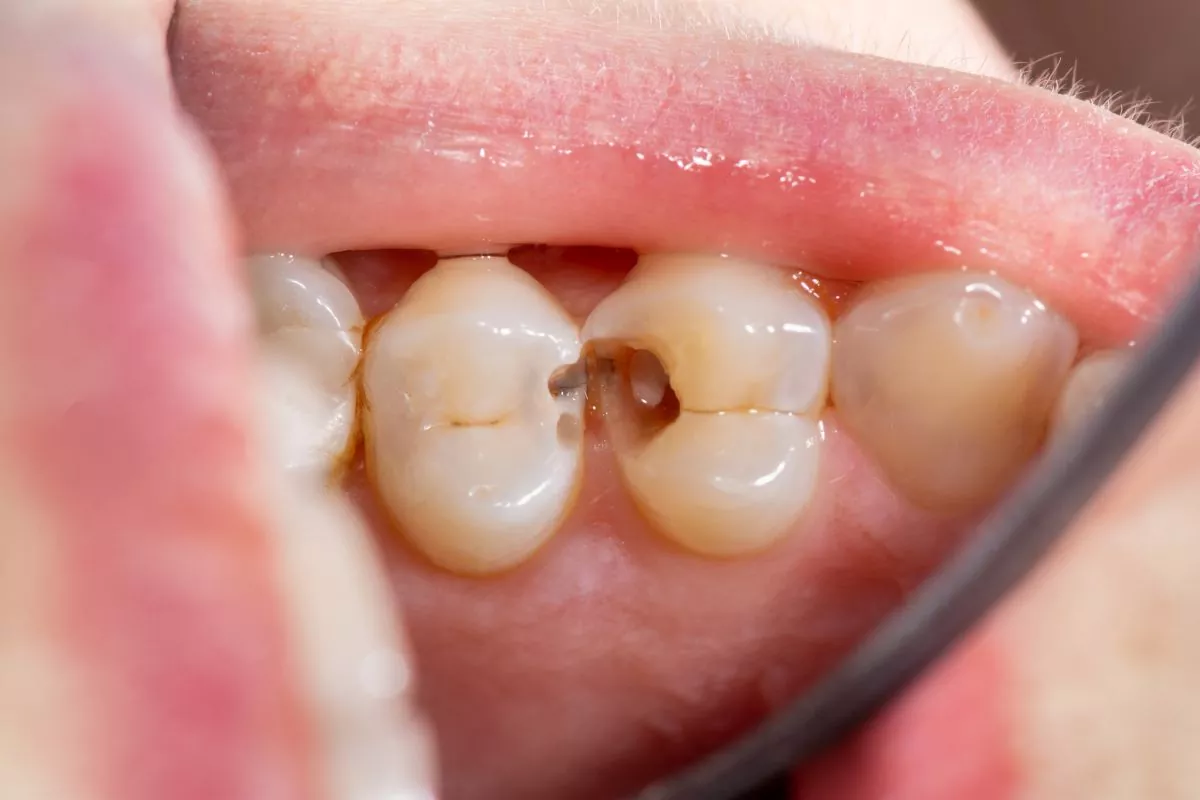
Yes, you absolutely can have cavities between teeth, and they're extremely common. These interproximal cavities form where teeth touch because food particles and bacteria get trapped in spaces your toothbrush can't reach. In my decade at Picasso Dental Clinic, I'd estimate 60-70% of cavities I treat are interproximal. They're particularly sneaky because you can't see them without X-rays until they're quite advanced. Flossing is your primary defense, but even diligent flossers can develop them if technique is poor or if teeth are very close together. We track cavity patterns across our Hanoi, Da Nang, and Ho Chi Minh City clinics, and interproximal decay is the most common type we see in adults. The good news? They're highly preventable with proper flossing and regular dental checkups that include X-rays.

How Often Should You Brush Your Teeth?
You should brush your teeth twice daily for two minutes each time. Morning brushing removes bacteria that accumulated overnight, while evening brushing clears food particles and prevents overnight acid attacks on your enamel. In my decade at Picasso Dental Clinic, I've examined thousands of mouths, and the difference between once-daily and twice-daily brushers is striking. Patients who brush only once, even perfectly, show significantly more plaque buildup and gum inflammation. What many don't realize is that timing matters almost as much as frequency. Brush after breakfast and before bed, waiting 30 minutes after acidic foods. We track oral health outcomes across our Hanoi, Da Nang, and Ho Chi Minh City clinics, and twice-daily brushing is the single most predictive factor for long-term dental health.
Why Does My Tooth Hurt When I Bite Down?
Pain when biting usually means one of five things: a cracked tooth, a cavity that's reached the nerve, a loose or damaged filling, gum inflammation around the tooth root, or pressure from recent dental work that needs adjustment. In my decade at Picasso Dental Clinic, cracked teeth account for about 40% of these cases, especially in patients who grind their teeth at night. The second most common cause is decay that's progressed beneath an existing filling. What's important to understand is that this pain won't resolve on its own. The good news? When caught early across our Hanoi, Da Nang, and Ho Chi Minh City clinics, we can usually save the tooth with relatively simple treatment

How Are Dental Implants Different from Dentures or Bridges?
The fundamental difference comes down to foundation. Dental implants are titanium posts surgically placed into your jawbone, creating artificial tooth roots that fuse with the bone and support individual crowns. Bridges use your existing natural teeth as anchors, with a prosthetic tooth literally bridging the gap between them. Dentures rest on top of your gums with no bone integration, held in place by suction, adhesive, or clasps. In my decade at Picasso Dental Clinic treating over 70,000 patients, I explain it this way: implants become part of your body like natural teeth, bridges borrow support from neighboring teeth, and dentures sit on the surface. This distinction affects everything from how they feel and function to how long they last and what maintenance they require.