Crooked Teeth: Causes and How to Fix it?
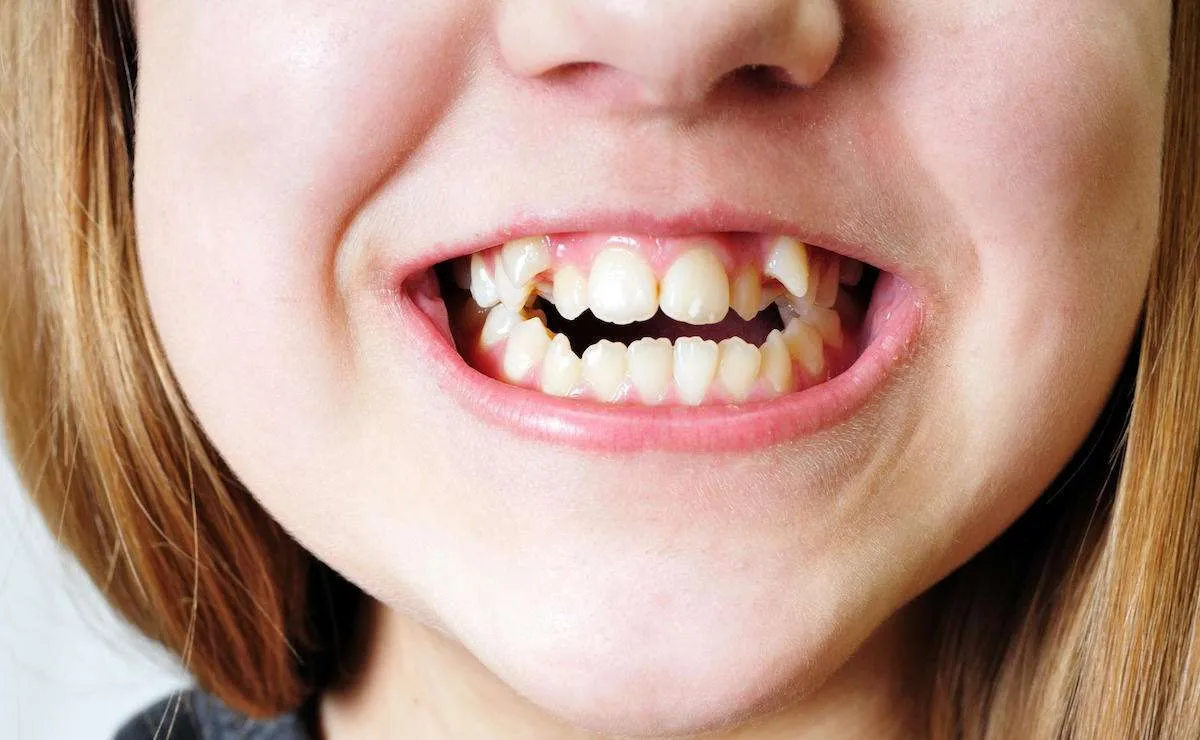
Crooked teeth result from genetics determining jaw size and tooth size mismatch, childhood habits like thumb sucking, early loss of baby teeth, mouth breathing, or injuries affecting jaw development. Treatment options include traditional braces, clear aligners like Invisalign, veneers for minor cosmetic corrections, or sometimes tooth extraction to create space. At Picasso Dental Clinic, where I've treated over 70,000 patients from 65 nationalities since 2013, I customize treatment based on severity, age, budget, and whether the issue is purely cosmetic or affects bite function. Modern orthodontics offers discreet, effective solutions for almost every case.
What are alternatives to Invisalign?
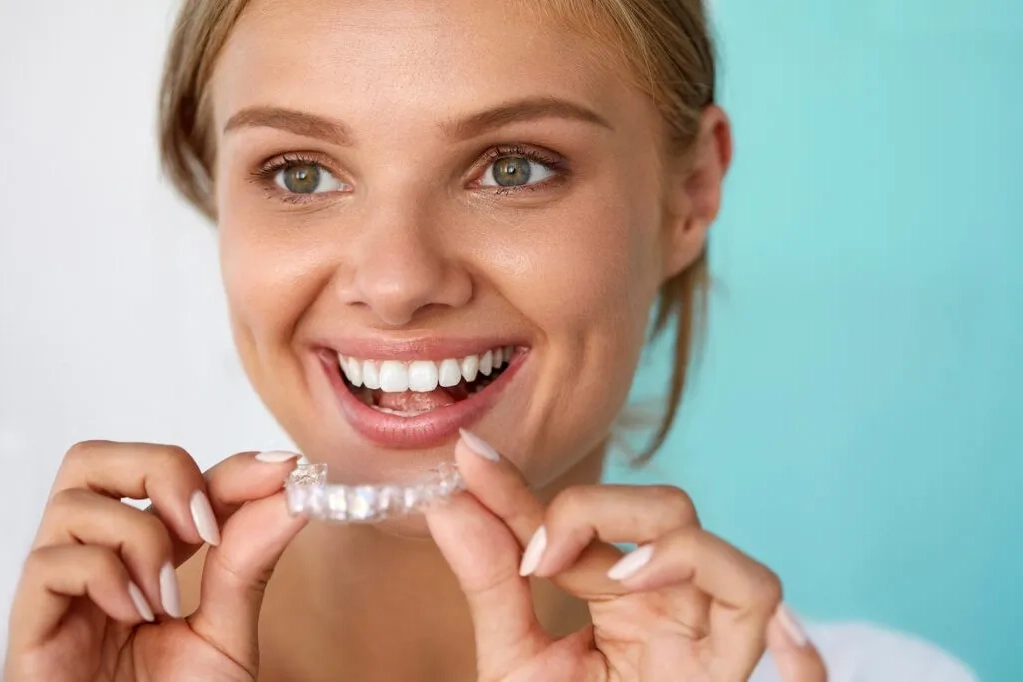
You have excellent alternatives to Invisalign, including other clear aligner brands like ClearCorrect and SureSmile, ceramic braces that blend with your teeth, lingual braces hidden behind your teeth, and even porcelain veneers for cosmetic correction without moving teeth at all. At Picasso Dental Clinic, I've successfully treated patients from 65 countries using all these methods. The best choice depends on your specific misalignment, budget, timeline, and lifestyle. Clear aligners work beautifully for mild to moderate cases, but ceramic or lingual braces handle complex movements better. For patients at our Hanoi, Da Nang, and Ho Chi Minh City clinics seeking instant results, veneers can create a straight appearance in just two visits.

Which is better braces or Invisalign?
Neither braces nor Invisalign is inherently better; the right choice depends on your specific case, lifestyle, and priorities. Traditional braces work for all misalignment types including severe cases, cost less, and require no patient compliance beyond appointments. Invisalign offers near invisibility, removability for eating and cleaning, and more comfort, but only treats mild to moderate cases, costs more, and requires discipline to wear 22 hours daily. At Picasso Dental Clinic, where I've completed thousands of orthodontic cases since 2013 treating over 70,000 patients, I recommend braces for complex corrections and Invisalign for appropriate candidates valuing aesthetics and convenience
Why do I need Interproximal Reduction IPR for my Invisalign treatment?
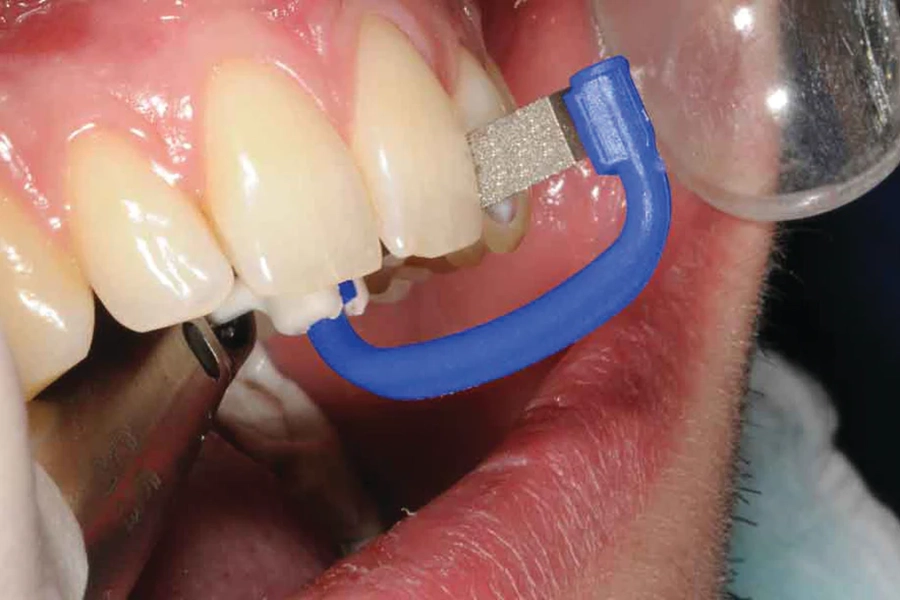
Interproximal reduction, also called IPR or tooth stripping, involves removing tiny amounts of enamel between teeth to create space. I use a special file or disc to remove 0.2 to 0.5 millimeters of enamel from the sides of specific teeth. You need IPR for Invisalign when your teeth are crowded and there's not enough room for them to align properly. At Picasso Dental Clinic, where I've completed over 1,500 Invisalign cases since 2013, about 70% require some IPR. It's painless, doesn't damage teeth, and often prevents the need for tooth extractions to create space.
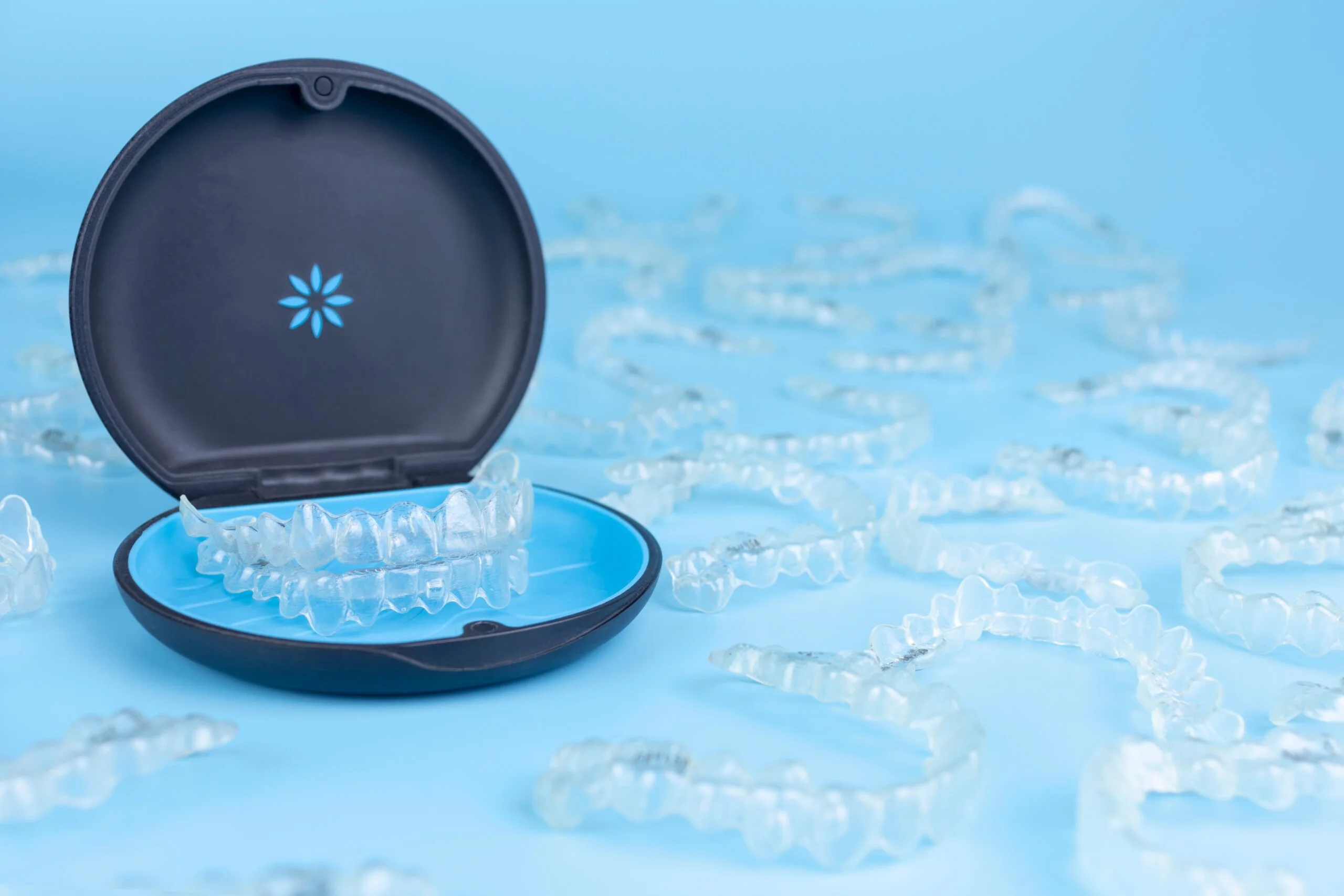
How does Invisalign work?
Invisalign uses a series of clear plastic aligners that gradually shift your teeth into proper positions. Each aligner moves your teeth about 0.25 millimeters over two weeks, then you switch to the next aligner in the series. The aligners apply controlled force to specific teeth at specific times based on a digital treatment plan I create from 3D scans of your mouth. At Picasso Dental Clinic, where I've completed over 1,500 Invisalign cases since 2013, the entire process typically takes 6 to 18 months depending on complexity. You wear the aligners 22 hours daily, removing them only for eating and brushing.