Which is better braces or Invisalign?
Neither braces nor Invisalign is inherently better; the right choice depends on your specific case, lifestyle, and priorities. Traditional braces work for all misalignment types including severe cases, cost less, and require no patient compliance beyond appointments. Invisalign offers near invisibility, removability for eating and cleaning, and more comfort, but only treats mild to moderate cases, costs more, and requires discipline to wear 22 hours daily. At Picasso Dental Clinic, where I've completed thousands of orthodontic cases since 2013 treating over 70,000 patients, I recommend braces for complex corrections and Invisalign for appropriate candidates valuing aesthetics and convenience

What are the alternatives to Root Canal Treatment?
The primary alternative to root canal treatment is tooth extraction, after which you need tooth replacement with an implant, bridge, or partial denture. Pulp capping works only for very early pulp exposure before infection develops. Pulpotomy is a partial root canal mainly for children. Doing nothing allows infection to spread, causing abscess, bone loss, and potentially life threatening complications. At Picasso Dental Clinic, where I've performed thousands of root canals since 2013 treating over 70,000 patients, root canal treatment saves your natural tooth, which almost always provides better long term function and value than extraction and replacement.
What’s the Cost of Root Canal Treatment in Vietnam?
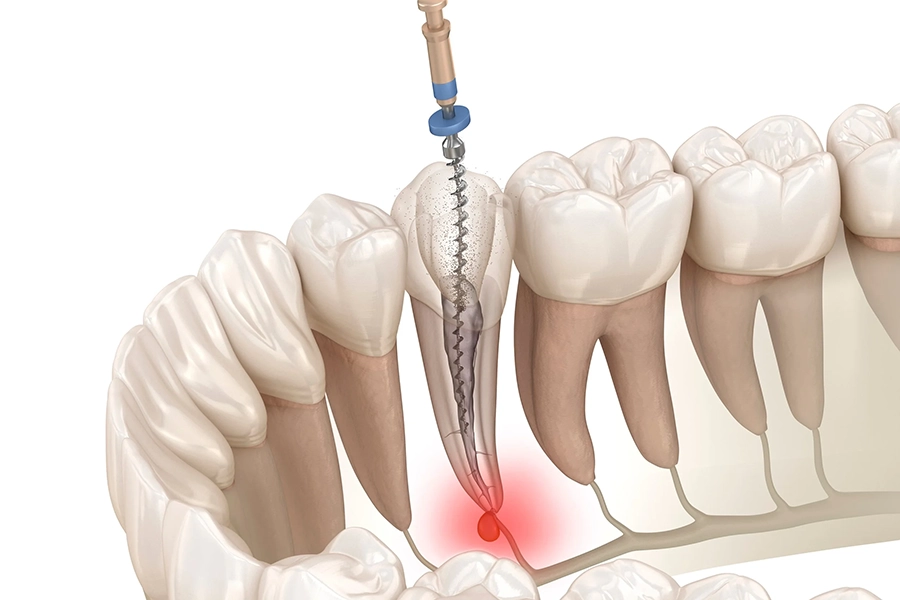
Root canal treatment in Vietnam typically costs between $150 and $450 USD per tooth depending on which tooth needs treatment and the complexity involved. At Picasso Dental Clinic, where I've performed root canals since 2013, front teeth with single roots usually cost $150 to $250 USD, premolars with one to two roots range from $200 to $300 USD, and molars with three to four roots cost $300 to $450 USD. These prices represent 60% to 80% savings compared to Western countries while using the same materials and techniques. The cost includes diagnosis with X-rays, local anesthesia, root canal procedure with cleaning and shaping, filling the canal system, and temporary or permanent filling. Additional costs might include crown placement afterward, which most root canal treated teeth need for long term protection

Invisalign vs Veneers: Which is Right for You?
Veneers and Invisalign solve completely different problems, so the right choice depends on what's actually wrong with your teeth. Invisalign moves your teeth into better positions and fixes bite issues, while veneers cover your existing teeth to change their appearance without moving them. If you have crooked or crowded teeth, Invisalign is typically the better option. If your teeth are already straight but have chips, gaps, stains, or size issues, veneers work better. At Picasso Dental Clinic, where I've completed over 2,000 smile makeovers since 2013, about 40% of patients actually need a combination of both treatments for optimal results.
What Causes Tooth Neck Wear?
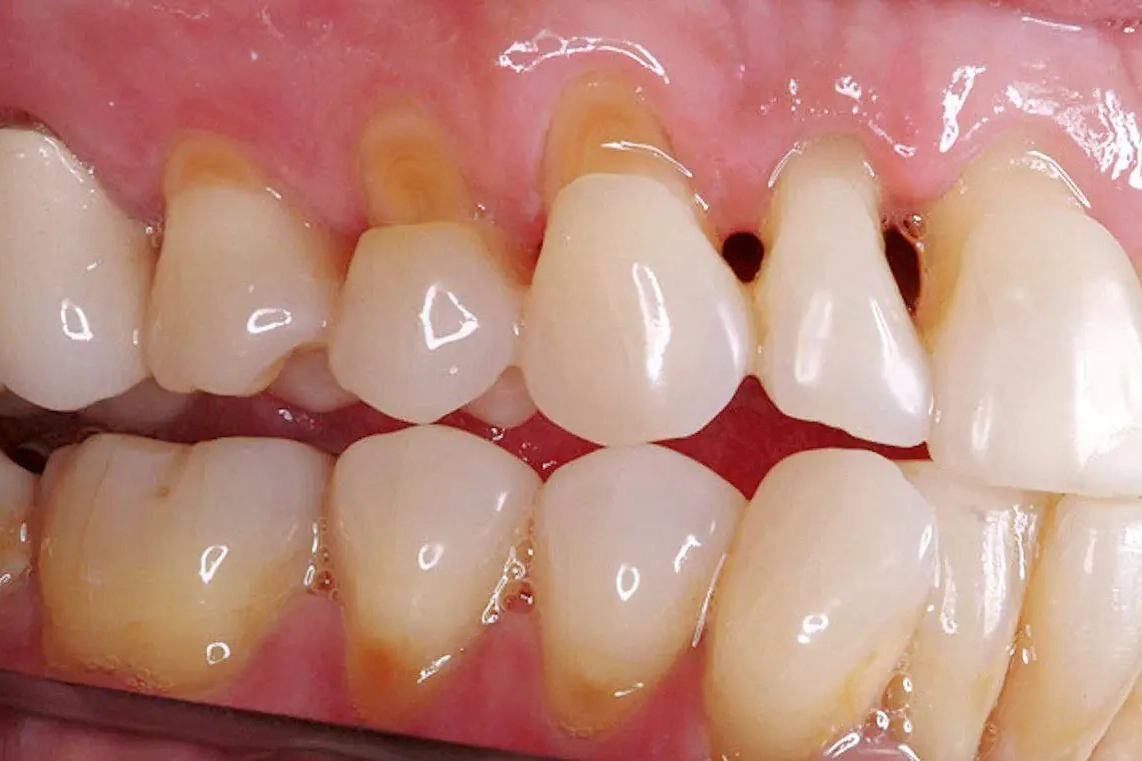
Tooth neck wear, called cervical abrasion, happens when enamel at the gumline wears away, creating notches or grooves. The main causes are aggressive toothbrushing with hard bristled brushes, acidic foods and drinks that soften enamel, and teeth grinding that creates stress at the neck area. At Picasso Dental Clinic, I see this condition daily across our Hanoi, Da Nang, and Ho Chi Minh City locations. The good news is we can stop progression with proper technique and restore damaged areas with tooth colored fillings. Most patients I've treated since 2013 see improvement within months of changing their habits.

Why Should the Patient Have a Crown Done After a Root Canal Treatment?
A tooth that's had root canal treatment becomes brittle and hollow because we remove the nerve and blood supply during the procedure. Without a crown, these teeth crack or fracture under normal chewing pressure, often splitting vertically in ways that can't be repaired. At Picasso Dental Clinic, where I've performed over 5,000 root canals since 2013, teeth without crowns fail within five years about 60% of the time, while crowned teeth last decades. The crown distributes biting forces evenly and holds the weakened tooth together. It's not optional, it's essential protection for your investment in saving the tooth.

Dental Implants vs. Bridges: Which Is Right for You?
Dental implants replace the tooth root and crown independently without affecting neighboring teeth, lasting 25 years or more and preserving jawbone. Bridges attach to adjacent teeth for support, requiring grinding down healthy teeth but avoiding surgery and costing less upfront. Implants suit patients with good bone density wanting permanent solutions. Bridges work when neighbors need crowns anyway or when surgery isn't possible. At Picasso Dental Clinic, where I've restored thousands of missing teeth since 2013 treating over 70,000 patients, I recommend implants when feasible for long-term value, but bridges remain excellent alternatives in appropriate situations.