Can children get root canals?
Yes, children can and do get root canals, though the procedure differs from adult root canals depending on whether it's a baby tooth or permanent tooth. For baby teeth, we perform pulpotomies or pulpectomies that remove infected nerve tissue and preserve the tooth until it naturally falls out. For permanent teeth in children and teenagers, we perform full root canals similar to adults but with special considerations for incomplete root development. At Picasso Dental Clinic locations in Hanoi, Da Nang, and Ho Chi Minh City, I treat children's dental infections regularly, and saving these teeth through root canal treatment prevents pain, preserves proper spacing for adult teeth, and maintains normal jaw development and function far better than extracting infected teeth prematurely.

Can I delay getting a root canal treatment?
Delaying a root canal when your dentist says you need one is extremely risky and almost always makes your situation worse, not better. The infection or inflammation requiring the root canal won't resolve on its own and typically progresses to more severe infection, abscess formation, bone loss, or tooth loss requiring extraction. At Picasso Dental Clinic locations in Hanoi, Da Nang, and Ho Chi Minh City, I've treated countless patients who delayed root canals and ended up with far more painful, expensive, and complicated problems than if they'd proceeded with treatment promptly. While I understand financial concerns, fear, or hoping the problem will go away, the reality is that delay transforms a treatable tooth into an emergency situation or lost tooth requiring extraction and expensive replacement with an implant or bridge.

Can dental implants be used with porcelain bridges?
Yes, dental implants can absolutely support bridges, and this combination is often the ideal solution for replacing multiple adjacent missing teeth. Instead of placing one implant for each missing tooth, we can place two or more implants that support a bridge spanning the gap between them. At Picasso Dental Clinic locations in Hanoi, Da Nang, and Ho Chi Minh City, I frequently use implant-supported bridges to replace three, four, or even more consecutive missing teeth. This approach costs less than individual implants for each tooth, requires fewer surgical sites, and delivers the same stability and function as multiple separate implants. The implants fuse to your jawbone, providing rock-solid anchors for the bridge, which means no slipping, no adhesives, and the ability to eat and speak normally with complete confidence

Will I need antibiotics before or after the root canal treatment?
Most patients don't need antibiotics for routine root canal treatment. The procedure itself removes the infected tissue, which is more effective than antibiotics alone. I prescribe antibiotics only when there's visible facial swelling, fever, or the infection is spreading beyond the tooth. Among the thousands of root canals I've performed at our Hanoi, Da Nang, and Ho Chi Minh City clinics, roughly 15% of patients need antibiotics. The root canal procedure is the treatment, antibiotics are supplemental support in specific situations.
Will the tooth be dead after a root canal?
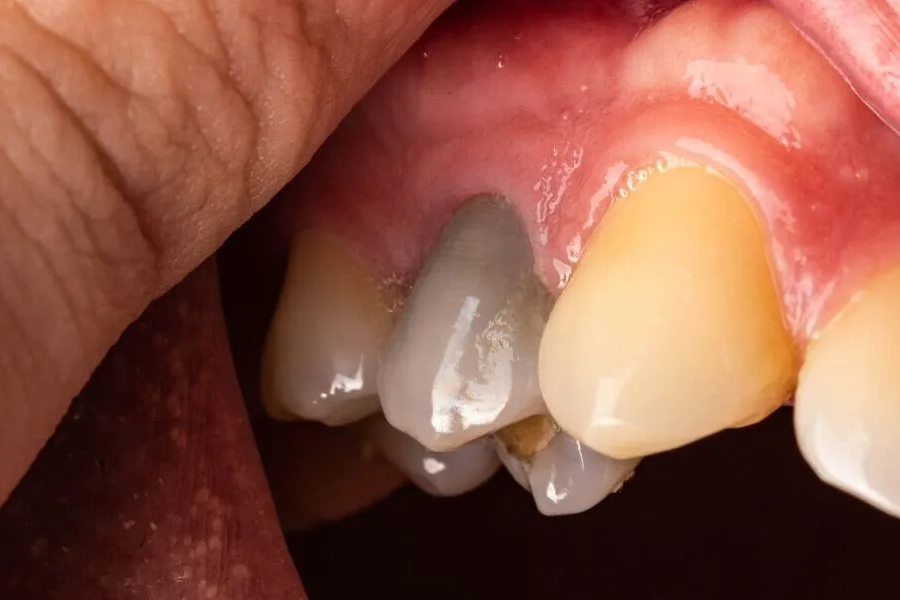
Your tooth isn't dead after a root canal, it's simply different. We remove the nerve and blood vessels from inside the tooth, but the tooth remains alive through the periodontal ligament that connects it to your jawbone. This ligament provides blood supply, sensation, and support. I've seen root canal treated teeth function perfectly for 30 plus years at our Hanoi and Da Nang clinics. The tooth can still sense pressure, won't feel temperature changes, and continues serving as a fully functional part of your bite.
Should I have all four wisdom teeth removed at once?
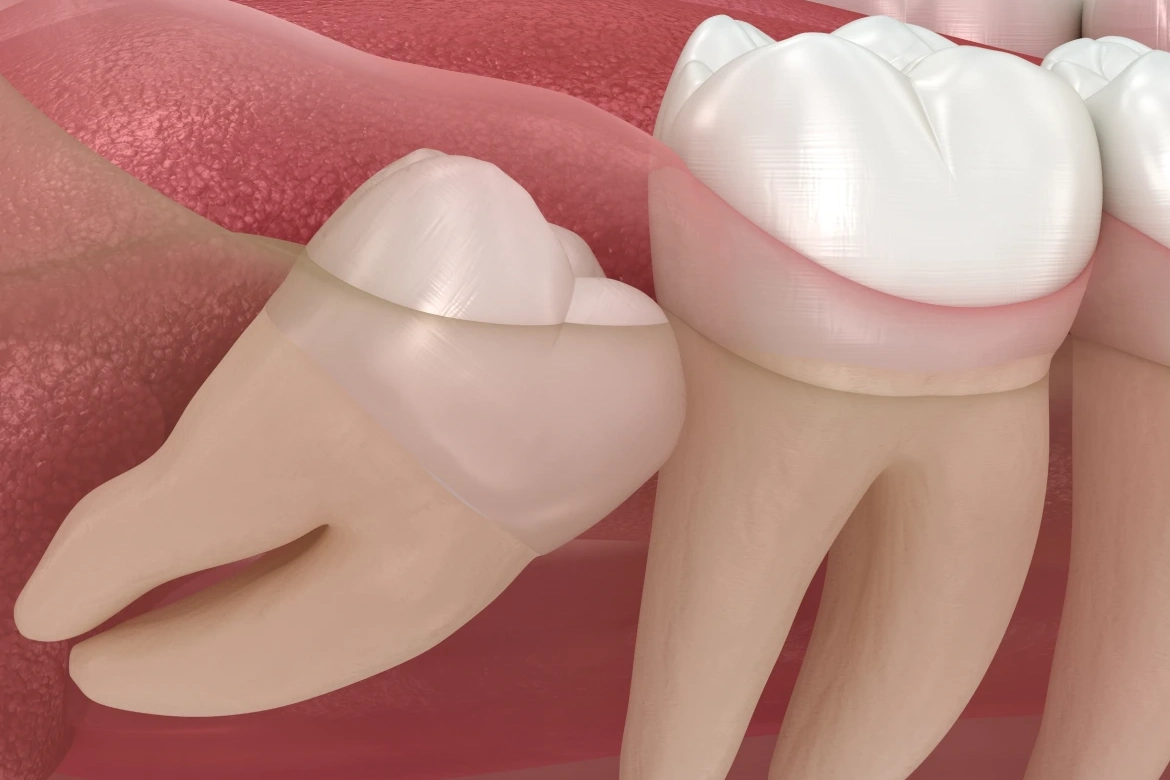
Removing all four wisdom teeth at once is usually the most practical approach for healthy patients who can tolerate a longer procedure and recovery period. You undergo anesthesia only once, take time off work or school just once, and complete treatment in a single visit. At Picasso Dental Clinic locations in Hanoi, Da Nang, and Ho Chi Minh City, about 70% of our patients choose this approach when all four teeth need removal. However, patients with medical conditions, high anxiety, or those who cannot afford extended recovery time sometimes benefit from removing two at a time. The decision comes down to your health status, pain tolerance, support system during recovery, and personal preference.
What should I expect after a root canal?
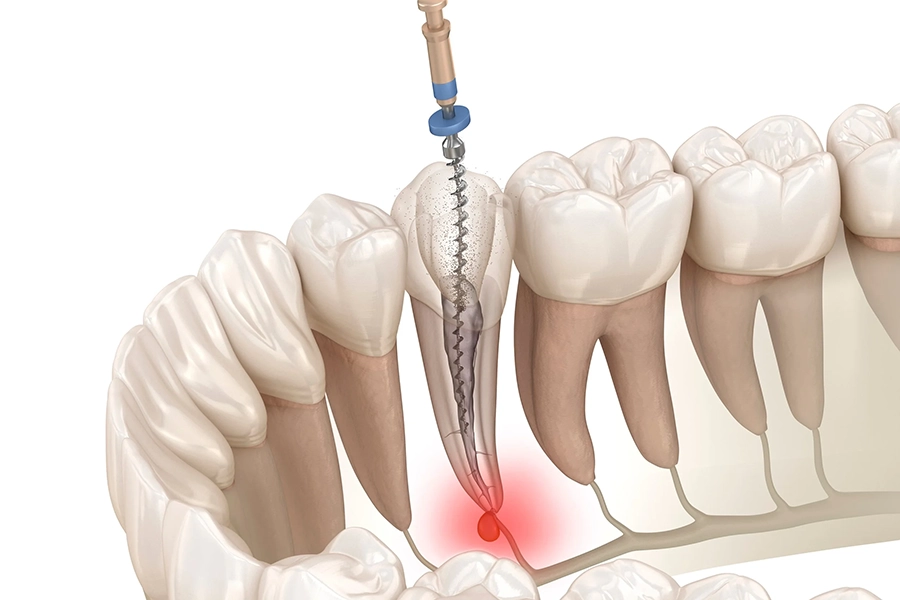
Most patients experience mild to moderate discomfort for two to three days after a root canal, manageable with over the counter pain medication. Your tooth may feel sensitive to pressure or biting for about a week as the surrounding tissues heal from inflammation. At Picasso Dental Clinic locations in Hanoi, Da Nang, and Ho Chi Minh City, I tell patients that the procedure itself eliminates pain rather than causing it. The relief from pre-treatment infection far outweighs temporary post-procedure sensitivity. Complete healing takes several weeks, but you can return to normal activities immediately and eat normally once numbness wears off, avoiding only very hard foods on that tooth initially