When Do Wisdom Teeth Need to Come Out and What Should You Expect?
When Do Wisdom Teeth Need to Come Out and What Should You Expect? Wisdom teeth are your third molars, the last teeth to come in usually between ages 17 and 25. Most people don’t have enough room in their jaw for these teeth, which causes all sorts of problems. When wisdom teeth cause pain, infection, […]

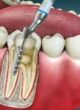
What Is a Root Canal and Why Is It Not as Scary as People Think?
What Is a Root Canal and Why Is It Not as Scary as People Think? A root canal is a treatment we use to save a tooth that is badly infected or damaged on the inside. We remove the infected tissue from inside the tooth, clean it out, and seal it so the infection cannot […]

Can gum disease be reversed or is the damage permanent?
Can gum disease be reversed or is the damage permanent? Early stage gum disease called gingivitis can be completely reversed with professional cleaning and good home care. Advanced gum disease called periodontitis causes permanent bone loss, but we can stop it from getting worse and help you keep your teeth. I’m Dr. Emily, principal dentist […]

What are porcelain crowns and when do I need one?
What are porcelain crowns and when do I need one? Porcelain crowns are caps that cover your entire tooth to restore its shape, strength, and appearance. You might need a crown if your tooth is severely damaged, cracked, or weakened by a large filling or root canal. I’m Dr. Emily, principal dentist at Picasso Dental […]
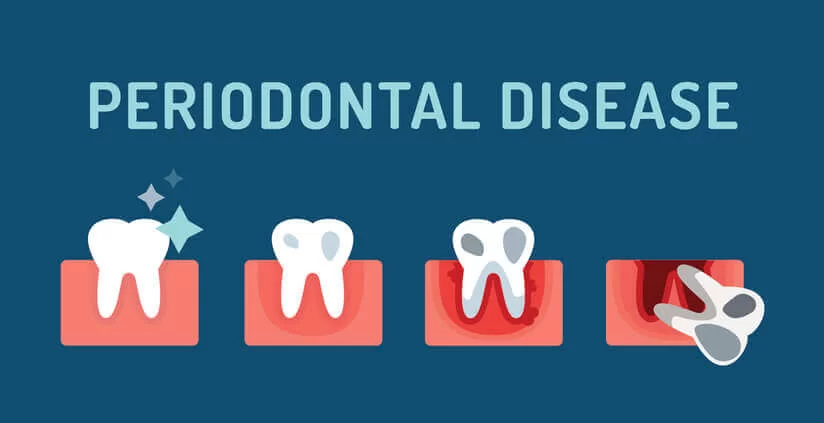
How Do I Know If I Need Periodontal Treatment?
How Do I Know If I Need Periodontal Treatment? You might need periodontal treatment if your gums bleed when you brush, look red and swollen, or have started pulling away from your teeth. Bad breath that won’t go away even after brushing, loose teeth, or painful chewing are also warning signs that your gums need […]

Does a wisdom tooth extraction hurt a lot?
The good news is that wisdom tooth extraction SHOULD NOT HURT during the procedure because we use numbing medicine that makes your mouth completely numb. You might feel some pressure or pushing sensations, but no sharp pain while we’re working. I’m Dr. Emily, the principal dentist at Picasso Dental Clinic, and over my 15 years of […]

Is wisdom tooth extraction safer when younger?
Yes, wisdom tooth extraction is generally safer, easier, and involves faster recovery when performed in younger patients, typically between ages 16 and 25. During these years, wisdom tooth roots haven't fully formed, bone surrounding the teeth is less dense, and healing capacity is at its peak. At Picasso Dental Clinic locations in Hanoi, Da Nang, and Ho Chi Minh City, I've observed that patients in their late teens and early twenties typically experience shorter procedures, less post-operative discomfort, and quicker healing compared to patients over 30 or 40. Root development completes around age 25, after which roots become longer, more curved, and more firmly anchored in denser bone, making extraction more complex with higher complication risks and longer recovery periods.