How do I care for my porcelain veneers?
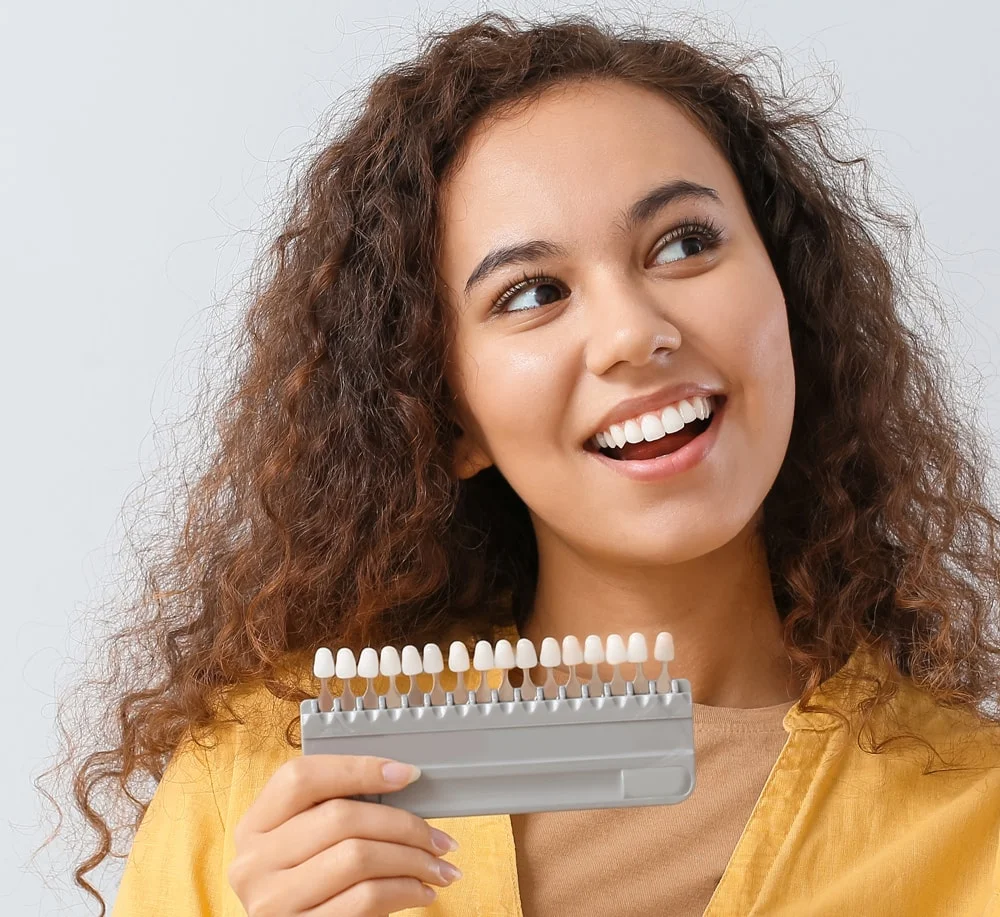
Caring for porcelain veneers requires the same daily routine as natural teeth, brushing twice daily and flossing once, plus some specific precautions to protect the porcelain. Use a non-abrasive toothpaste, avoid biting hard objects with veneered front teeth, and visit your dentist every six months for professional cleanings. At Picasso Dental Clinic locations in Hanoi, Da Nang, and Ho Chi Minh City, I've seen veneers last 15 years or longer when patients follow these guidelines consistently. The porcelain itself is incredibly durable and stain resistant, but the underlying natural tooth and cement margins need protection from decay and discoloration. With proper daily care and professional maintenance, your veneers will maintain their beauty and function for many years
What foods should I avoid with veneers?
Veneers are quite durable but require some dietary caution to maximize their lifespan. Avoid biting directly into very hard foods like ice, hard candy, nuts, and raw carrots with your front veneered teeth, as excessive force can crack or chip the porcelain. Also avoid using your teeth as tools to open packages or bite nails. At Picasso Dental Clinic locations in Hanoi, Da Nang, and Ho Chi Minh City, I tell patients that porcelain veneers resist staining beautifully but the bonding cement at the margins can discolor from coffee, red wine, and dark foods over years. With reasonable care, eating most foods normally while avoiding extreme force and minimizing stain exposure, veneers typically last 10 to 15 years looking beautiful.

Will laser whitening make my teeth look unnatural?
Laser whitening creates unnatural looking results only when patients push for the absolute brightest shade possible without considering their skin tone, age, and facial features. When done thoughtfully, laser whitening produces teeth that look healthy, youthful, and completely believable. At Picasso Dental Clinic locations in Hanoi, Da Nang, and Ho Chi Minh City, I guide patients toward shades that are noticeably brighter than their starting color but still within the natural range for human teeth. The key is choosing a target shade that enhances your smile without making it the dominant feature of your face. Most patients achieve three to eight shades lighter while maintaining a natural appearance that friends notice looks better without identifying exactly why.
Can I whiten my teeth too often with laser treatment?
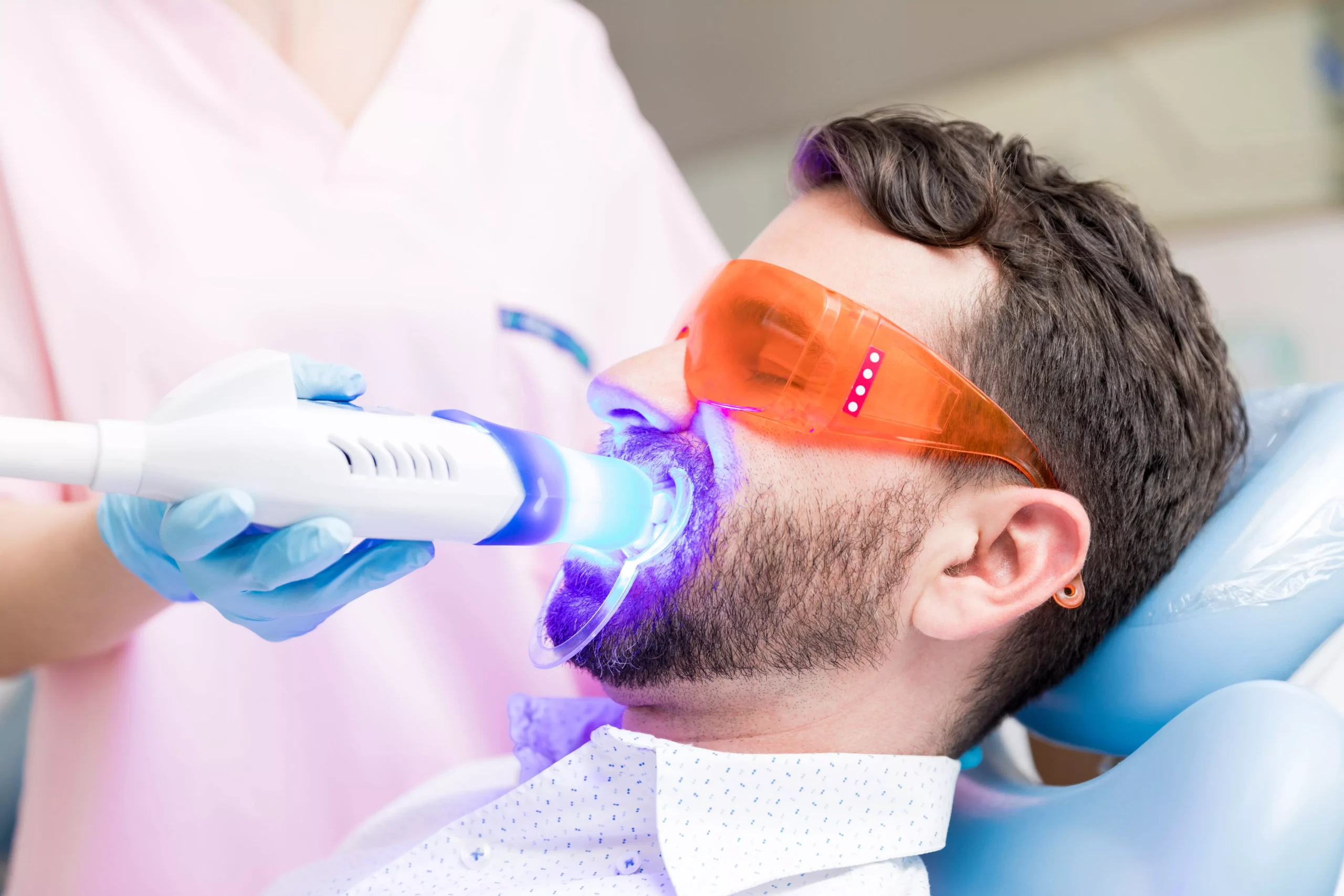
Yes, you can absolutely overdo laser whitening, and I see the consequences at our Hanoi and Da Nang clinics. Safe professional whitening happens once every 12 to 18 months maximum. More frequent treatments damage your enamel permanently, cause severe sensitivity, and actually make teeth look duller over time. I've treated patients who whitened every few months and developed irreversible enamel erosion. Your teeth need recovery time between treatments, just like your skin needs time between chemical peels.
Does laser whitening work on crowns, veneers, or fillings?
No, laser whitening does not work on crowns, veneers, or fillings. Whitening treatments only affect natural tooth enamel because they work by breaking down organic stains within the tooth structure. Porcelain, composite resin, and other dental materials are inorganic and don't contain the molecules that whitening gel targets. At Picasso Dental Clinic locations in Hanoi, Da Nang, and Ho Chi Minh City, I've seen many patients whiten their natural teeth beautifully, only to discover their existing restorations now look darker by comparison. This is why I always evaluate all visible restorations before whitening and discuss whether they'll need replacement after treatment to match your new brighter smile.
Does laser teeth whitening cause tooth sensitivity?
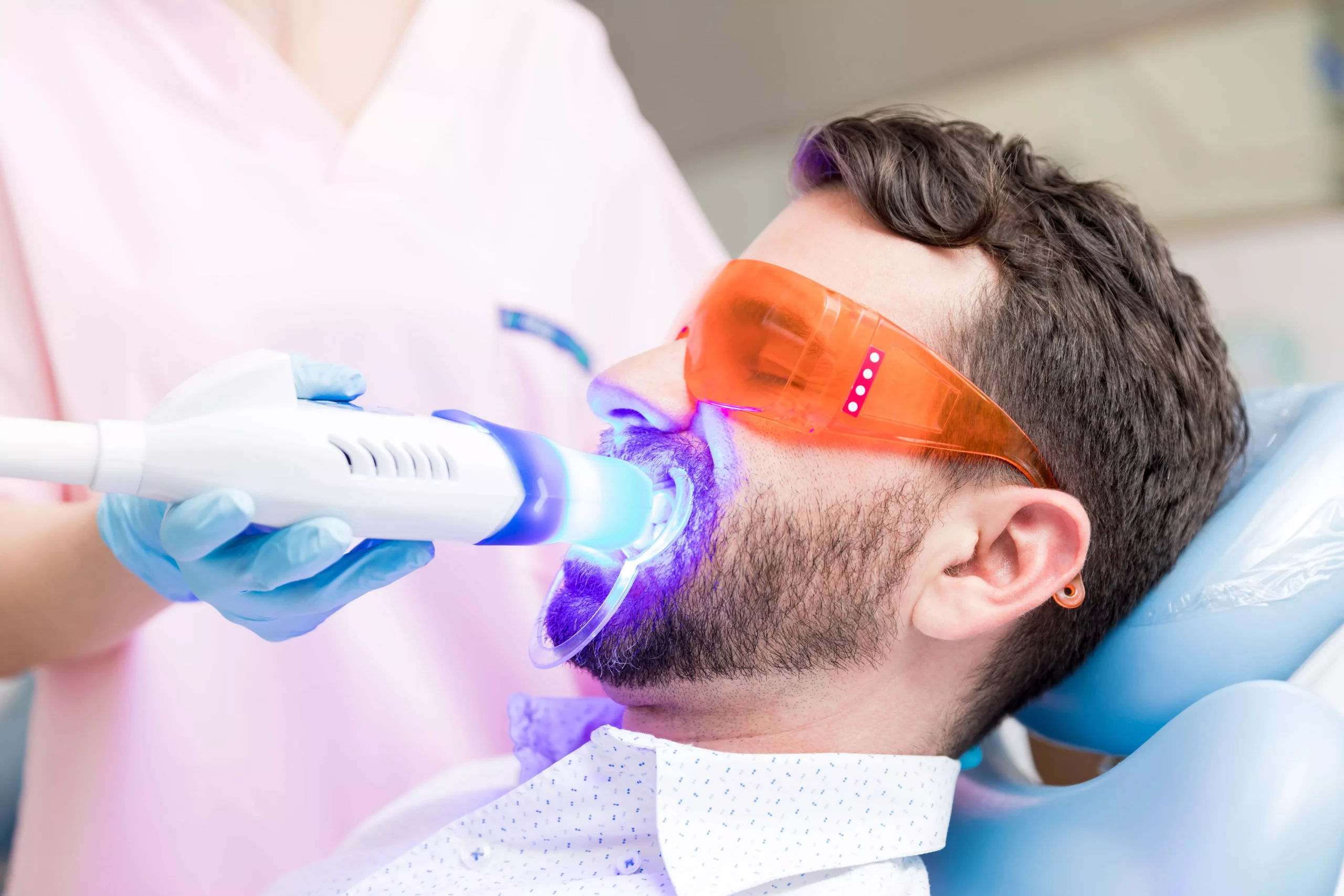
Yes, laser teeth whitening can cause temporary tooth sensitivity in about 60 to 70% of patients, but this discomfort is typically mild and resolves within 24 to 48 hours. The whitening gel penetrates enamel to break down stains, temporarily exposing microscopic pathways to the tooth's nerve during this process. At Picasso Dental Clinic locations in Hanoi, Da Nang, and Ho Chi Minh City, I've found that using desensitizing treatments before and after whitening, adjusting gel concentration for sensitive patients, and providing proper aftercare instructions reduces sensitivity significantly. Most patients tell me the brief discomfort is absolutely worth the dramatic whitening results they achieve in just one appointment

How do veneers compare to bonding?
Veneers and bonding serve similar cosmetic purposes but differ dramatically in durability, appearance, and cost. Veneers last 10 to 15 years, resist staining, and look incredibly natural, but cost significantly more and require tooth preparation. Bonding costs about one third the price, requires minimal tooth alteration, and completes in one visit, but stains within two to three years and needs replacement every three to five years. At Picasso Dental Clinic locations in Hanoi, Da Nang, and Ho Chi Minh City, I help patients choose based on their specific goals, timeline, and budget. For minor fixes or temporary solutions, bonding works beautifully. For lasting smile transformations, veneers deliver superior results.