This is probably the first lifestyle question patients ask after getting veneers at Picasso Dental Clinic, and I completely understand the concern. I’m Dr. Emily Nguyen, Principal Dentist, and after creating thousands of veneer smiles for patients from 65 nationalities since 2013, I can give you the honest truth about enjoying your favorite beverages with veneers.
Why Porcelain Veneers Resist Staining
Porcelain is a glass-like ceramic material with an extremely smooth, non-porous surface. Staining molecules from coffee, wine, and other beverages cannot penetrate this dense structure the way they absorb into natural tooth enamel. Think of porcelain like a glazed ceramic plate. Coffee spills wipe right off without leaving permanent marks because the surface doesn’t allow absorption.
Natural tooth enamel has microscopic pores and surface irregularities that trap staining molecules over time. This is why natural teeth gradually darken and yellow with age, especially in coffee drinkers. Veneers made from high quality dental porcelain maintain their original shade indefinitely because they lack these microscopic entry points for stains.
At our clinics across Vietnam, I show patients veneers we placed 10 or more years ago that look as white and bright as the day they were installed, despite patients drinking coffee daily throughout that decade. This stain resistance represents one of the major advantages of porcelain veneers over composite bonding or natural teeth.
The Margin Staining Issue
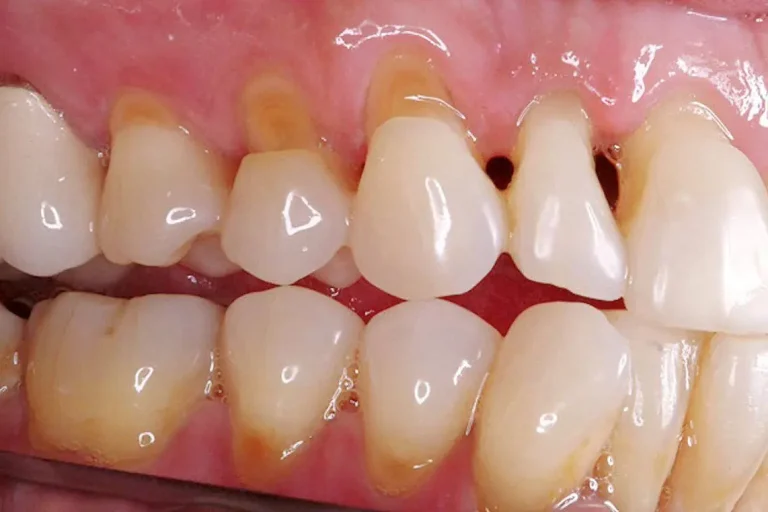
While the porcelain itself won’t stain, the cement bonding veneers to your teeth can discolor at the margins over time. The margin is the tiny line where the edge of your veneer meets your natural tooth, usually right at the gum line. This junction uses dental cement that, while strong and durable, is slightly more porous than porcelain.
Years of exposure to coffee, red wine, tea, dark sodas, and other staining substances can gradually discolor this cement, creating a thin visible line around the veneer edge. This doesn’t happen quickly. What I’ve observed since 2013 at Picasso Dental Clinic is that margin staining typically becomes noticeable only after five to ten years of heavy staining beverage consumption without protective habits.
The good news is that margin staining doesn’t affect veneer function or integrity. It’s purely cosmetic. Professional cleaning and polishing during your regular dental visits removes surface staining. More stubborn discoloration sometimes requires replacing the surface layer of cement, a simple procedure that refreshes the appearance without replacing the entire veneer.
Coffee Drinking Guidelines With Veneers
You don’t need to give up your morning coffee after getting veneers. Drinking coffee through a straw minimizes contact with veneer margins, directing the liquid past your front teeth toward the back of your mouth. This simple change significantly reduces staining exposure while still allowing you to enjoy your coffee normally.
Rinsing your mouth with water immediately after finishing coffee washes away residual staining compounds before they can settle around veneer margins. At our Hanoi, Da Nang, and Ho Chi Minh City locations, patients who rinse after every coffee maintain noticeably cleaner looking veneers compared to those who let coffee residue sit on their teeth all morning.
Limiting contact time helps too. Sipping coffee slowly over several hours exposes your teeth to staining compounds continuously. Drinking your coffee within 20 to 30 minutes and then rinsing gives staining molecules less opportunity to accumulate. What matters isn’t eliminating coffee completely, it’s managing how and when you consume it.
Wine Consumption With Veneers
Red wine poses the same marginal staining risk as coffee but doesn’t affect the porcelain veneer surface. White wine is less problematic for staining but its acidity can affect natural tooth enamel adjacent to veneers over time. Neither type of wine damages porcelain veneers directly, making wine consumption completely compatible with veneer longevity.
The tannins in red wine that stain natural teeth also accumulate at veneer margins with repeated exposure. Following the same protective habits as with coffee helps. Rinse with water after drinking red wine, avoid swishing wine around your mouth unnecessarily, and brush your teeth within an hour of wine consumption when possible.
Many patients at Picasso Dental Clinic enjoy wine regularly without veneer staining issues because they practice these simple preventive measures. What I emphasize is that you can maintain your lifestyle while protecting your investment through minor habit modifications that quickly become automatic.
Other Beverages to Consider
Tea, particularly black tea, has strong staining potential similar to coffee. Green and white teas stain less but still contain some tannins. The same protective measures apply: drink through a straw when practical, rinse afterward, and maintain excellent oral hygiene.
Dark sodas like cola can stain margins over time while also exposing teeth to acid and sugar that threaten natural tooth structure. The combination of staining, acid, and sugar makes frequent soda consumption the worst beverage choice for both veneers and natural teeth. Limiting soda intake or choosing clear varieties reduces multiple risk factors simultaneously.
Sports drinks, energy drinks, and fruit juices vary in their staining potential but many contain high acidity that can damage natural enamel around veneers. Water remains the best beverage choice for dental health overall, though obviously not realistic as your only beverage. Balancing enjoyment of other drinks with protective habits and plenty of water consumption supports both veneer longevity and natural tooth health.
Daily Oral Hygiene Prevents Margin Staining
Brushing twice daily removes staining compounds before they can discolor cement margins. Pay particular attention to the gum line where veneers meet natural teeth. This is where staining accumulates most. Using a soft bristled toothbrush with gentle circular motions cleans these junctions effectively without damaging veneers or irritating gums.
Flossing daily removes particles and stains from between teeth where brushing cannot reach. The sides of veneered teeth where they contact adjacent teeth have cement margins that also need cleaning. Neglecting these areas allows staining to develop out of sight until it becomes visible when you smile widely.
Using a non-abrasive whitening toothpaste won’t whiten your porcelain veneers, but it can help remove surface stains from natural teeth and keep cement margins cleaner. At our clinics, I recommend gentle daily whitening toothpastes for patients with veneers who want to maintain their brightest smile. These products won’t harm veneers when used as directed.
Professional Cleaning Makes a Difference
Regular professional cleanings every six months remove accumulated staining that home care cannot eliminate completely. Dental hygienists use specialized polishing pastes and techniques that clean veneer margins thoroughly while protecting the porcelain surface. This professional maintenance keeps your veneers looking their absolute best year after year.
During cleanings, we can identify early margin staining and address it before it becomes noticeable to you or others. Sometimes simply polishing the area restores the original clean appearance. Other times we apply products that brighten the cement slightly. These preventive interventions maintain optimal veneer aesthetics between major maintenance needs.
Patients who skip regular cleanings consistently show more margin staining and overall veneer dulling compared to those who maintain their six month appointments. At Picasso Dental Clinic since 2013, this pattern has proven absolutely consistent across thousands of veneer patients. Professional care isn’t optional if you want veneers to look great long term.
Comparing Veneers to Natural Teeth
Natural teeth stain throughout their entire structure from coffee and wine, requiring periodic whitening treatments to maintain brightness. Veneers maintain their color permanently regardless of beverage consumption, eliminating the need for whitening. This represents a huge advantage for coffee and wine lovers who struggled with tooth discoloration before getting veneers.
If you have some veneered teeth and some natural teeth visible when smiling, the natural teeth will continue darkening over time while veneers stay bright. This can create color mismatch that draws attention. Maintaining your natural teeth through professional whitening when needed keeps everything uniform. Some patients eventually extend their veneers to include more teeth specifically to eliminate this maintenance concern.
What patients consistently tell me is that the freedom to drink coffee and wine without worrying about tooth discoloration ranks among their favorite benefits of veneers. The psychological relief of not constantly monitoring staining improves quality of life in ways that surprise people.
When Staining Becomes Noticeable
Even without perfect preventive care, significant margin staining typically takes five to ten years to develop. Most patients need veneer replacement for other reasons like normal wear, underlying tooth issues, or desire to update their smile before margin staining becomes a cosmetic concern. The timeline for noticeable staining depends on consumption frequency and preventive habits.
Heavy coffee or red wine consumers who take no protective measures might see faint margin lines after three to five years. Moderate consumers who rinse regularly and maintain good hygiene may never notice margin staining before veneers need replacement for other reasons after 10 to 15 years. Individual variation in saliva composition and oral bacteria also influences staining rates.
If margin staining does become bothersome, treatment options exist. Surface polishing removes some discoloration. Applying new cement to margins covers deeper staining. Complete veneer replacement provides a fresh start. At our Hanoi, Da Nang, and Ho Chi Minh City locations, we tailor solutions to the severity of staining and patient preferences.
Lifestyle Balance and Realistic Expectations
The goal isn’t perfect prevention of any staining ever. The goal is enjoying your normal lifestyle while protecting your veneers reasonably. Having coffee daily while rinsing afterward represents sensible balance. Sipping red wine slowly all evening without ever rinsing tips toward excessive exposure that accelerates staining.
Understanding that minor margin staining might eventually occur despite good care prevents disappointment. Veneers aren’t completely maintenance free forever. They’re incredibly durable and stain resistant compared to natural teeth, but they exist in the real world where you eat, drink, and live your life. Realistic expectations about their long term appearance supports satisfaction with results.
What I share with patients is this perspective: if slight margin staining after eight years of daily coffee enjoyment represents the worst problem your veneers develop, that’s an excellent outcome. Most veneer issues relate to chips, cracks, or underlying tooth problems rather than cosmetic staining. Keeping beverages in proper perspective as a minor rather than major concern helps.
The Bottom Line for Coffee and Wine Lovers
You can absolutely continue enjoying coffee and wine after getting veneers. The porcelain won’t stain. Simple protective habits minimize margin staining. Regular dental care maintains optimal appearance. Thousands of patients at Picasso Dental Clinic have proven that veneers and beverage enjoyment coexist beautifully when you follow basic guidelines.
Don’t let concern about staining prevent you from getting veneers if you want them. The stain resistance of porcelain far exceeds natural teeth. You’ll likely worry less about discoloration after veneers than before. The minor habit adjustments required are small trade-offs for the confidence and aesthetic improvement veneers provide.
If you’re considering veneers and wondering about lifestyle compatibility, or you have veneers and want personalized guidance about beverage consumption and care, I encourage you to schedule a consultation at any of our Picasso Dental Clinic locations in Hanoi, Da Nang, Ho Chi Minh City, or Da Lat. We can discuss your specific habits and concerns and create a care plan that keeps your veneers looking beautiful while maintaining the lifestyle you enjoy.