Why Picasso Dental Clinic in Hanoi is Among the Top 10 Dental Clinics for Dental Implants
Picasso Dental Clinic Hanoi: By The Numbers Vietnam’s leading dental tourism destination since 2013 70,000+ Patients Treated 62 Countries Served 95%+ Success Rate 70% Cost Savings Quick Summary Picasso Dental Clinic has earned its place among Hanoi’s top 10 dental implant clinics through a combination of over a decade of experience, internationally trained dentists, partnerships […]

Can Foreigners Access Dental Care in Vietnam?
No Legal Barriers, But Practical Ones Exist Vietnam’s healthcare system is open to foreign nationals. Private dental clinics, which is where the vast majority of international patients go, operate outside the public system entirely and are structured to serve whoever walks through the door. Many have been doing this for years, building their entire […]

How to Find a Trustworthy Dental Clinic in Vietnam (And Why Most Patients Get It Wrong)
By Dr. Emily Nguyen, Founder & Principal Dentist, Picasso Dental Clinic Most people planning dental work in Vietnam spend hours comparing prices. That’s understandable. The savings are real and the numbers are dramatic. But price is actually the last thing you should be evaluating. The patients who end up disappointed aren’t the ones who paid […]

Is Professional Teeth Whitening Safe and Will It Damage My Enamel?
Is Professional Teeth Whitening Safe and Will It Damage My Enamel? Professional teeth whitening is completely safe when performed by a qualified dentist using approved products and techniques. The whitening gel we use does not damage your tooth enamel or make your teeth weaker. Temporary tooth sensitivity is the most common side effect and it […]

When Do Wisdom Teeth Need to Come Out and What Should You Expect?
When Do Wisdom Teeth Need to Come Out and What Should You Expect? Wisdom teeth are your third molars, the last teeth to come in usually between ages 17 and 25. Most people don’t have enough room in their jaw for these teeth, which causes all sorts of problems. When wisdom teeth cause pain, infection, […]

What Is a Root Canal and Why Is It Not as Scary as People Think?
What Is a Root Canal and Why Is It Not as Scary as People Think? A root canal is a treatment we use to save a tooth that is badly infected or damaged on the inside. We remove the infected tissue from inside the tooth, clean it out, and seal it so the infection cannot […]
What Are Porcelain Veneers and How Do They Transform Your Smile?
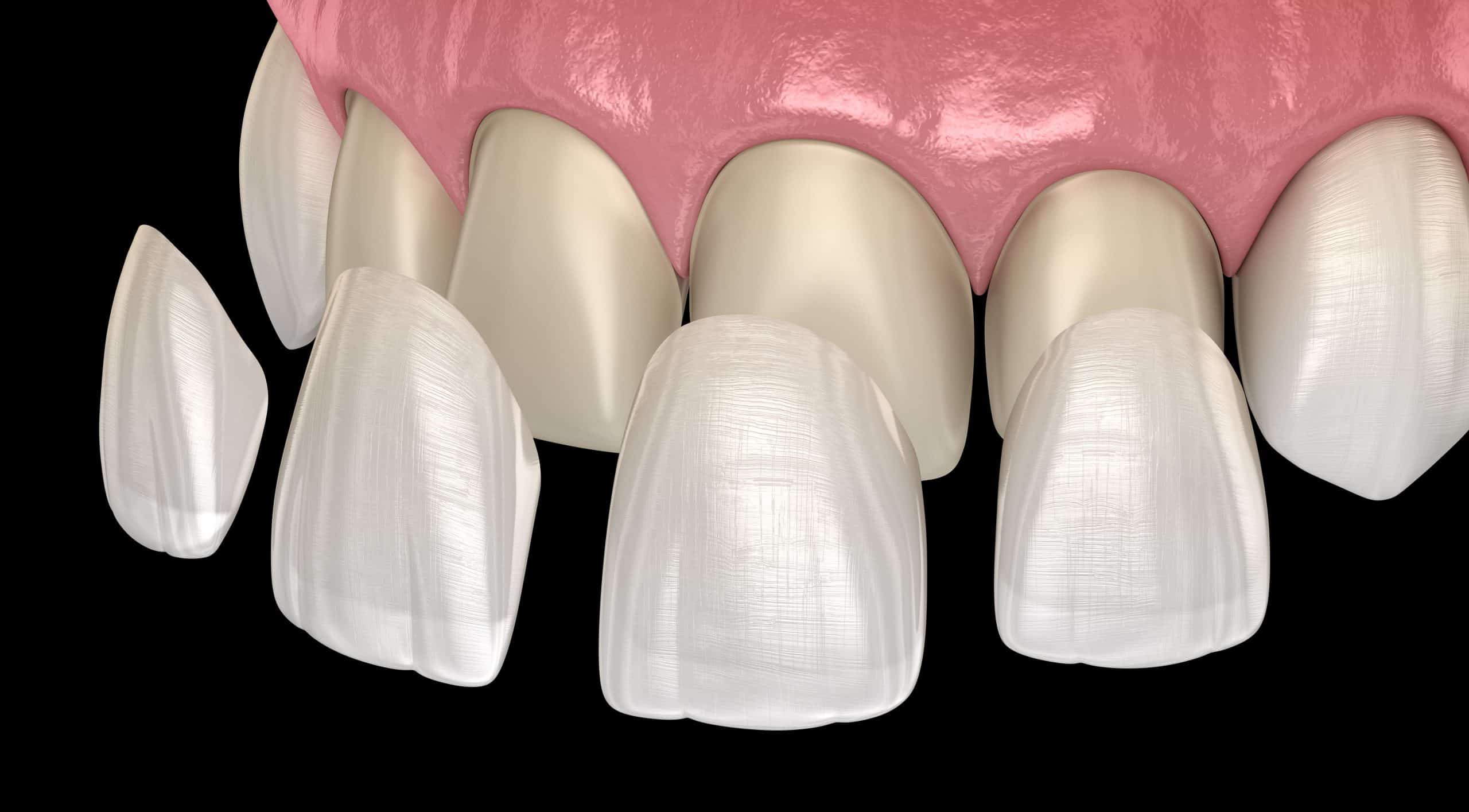
What Are Porcelain Veneers and How Do They Transform Your Smile? Porcelain veneers are thin shells of ceramic material that we bond to the front of your teeth to improve their appearance. Think of them like fake fingernails, but for your teeth. They can fix discolored, chipped, or slightly crooked teeth in just a few […]