How to fix space/shadowing between veneers?
Spaces or shadows between veneers result from poor contact points, incorrect veneer shape, gum recession, or inadequate depth in the veneer design. Fixing it usually requires replacing the veneers with properly contoured ones that touch correctly and support the gum tissue. Sometimes minor recontouring or adding composite material works for small gaps. At Picasso Dental Clinic, where I've treated over 70,000 patients since 2013, I remake veneers that have visible spaces because this represents poor initial design that won't resolve without replacement.
Is porcelain veneer bad in the long run?
Porcelain veneers aren't bad in the long run when placed properly on appropriate candidates who maintain good oral hygiene. I've seen veneers function beautifully for 20 plus years in patients who care for them correctly. The challenges are that they're irreversible, require eventual replacement, and can develop complications if underlying dental health isn't maintained. At Picasso Dental Clinic, where we've treated over 70,000 patients since 2013, the patients who succeed long-term understand that veneers are a lifetime commitment, not a one-time fix.

Why are my teeth sensitive to cold?
Cold sensitivity happens when the protective enamel on your teeth wears down or your gums recede, exposing the dentin layer underneath. Dentin contains tiny tubules that connect directly to the nerve of your tooth. When cold reaches these tubules, it triggers sharp pain. At our clinics in Hanoi, Da Nang, and Ho Chi Minh City, I see this daily. The good news? Most cases improve significantly with proper treatment and better oral care habits.
Clip-on veneers vs. porcelain veneers?
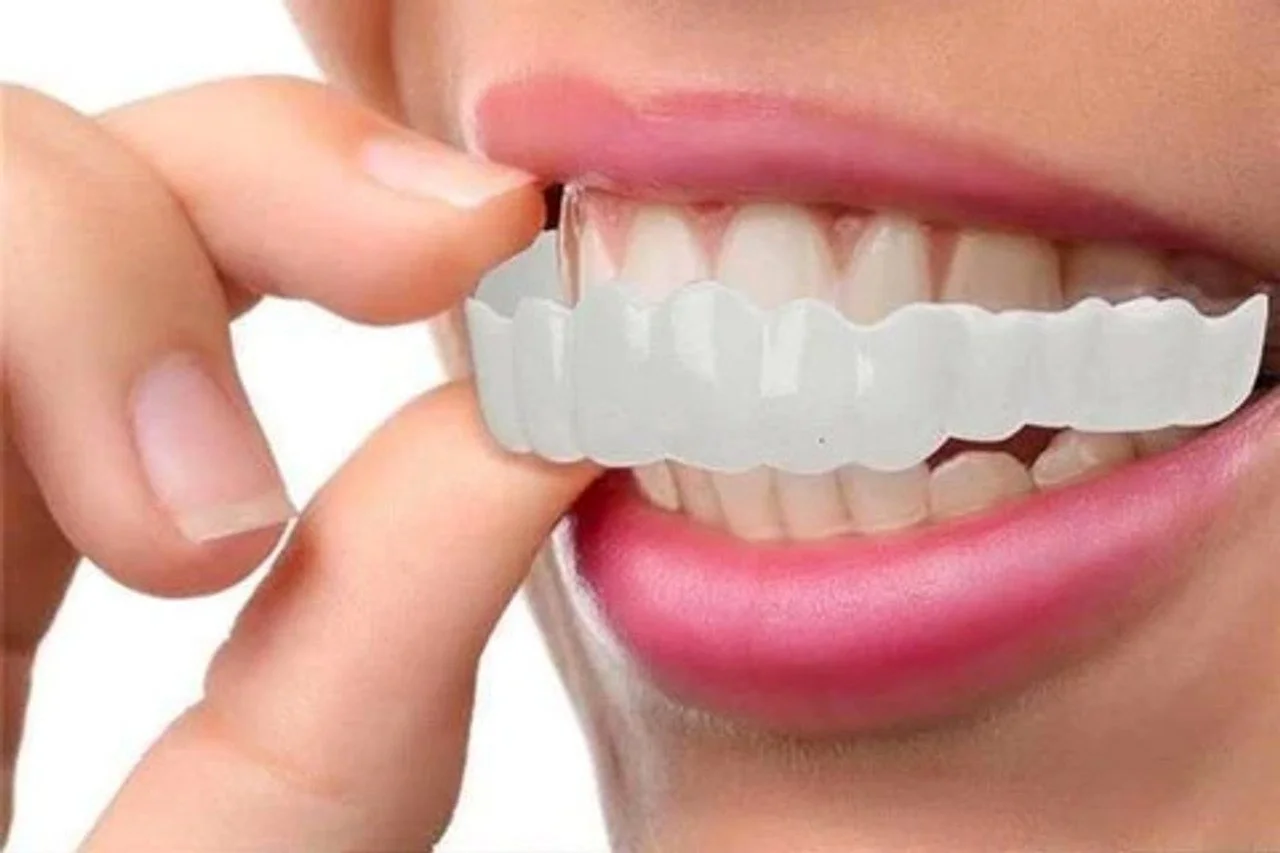
Clip-on veneers are removable cosmetic covers that snap over your existing teeth, while permanent porcelain veneers are custom crafted restorations bonded to prepared teeth. Permanent veneers look natural, function like real teeth, and last 15 to 20 years. Clip-ons are bulky, obviously fake looking, make speaking difficult, and can't be worn while eating. In my decade treating over 70,000 patients at Picasso Dental Clinic, I've never recommended clip-on veneers for daily wear. They're temporary cosmetic devices, not genuine dental treatment

Can you floss between porcelain veneers?
Yes, you can and absolutely should floss between porcelain veneers just like natural teeth. Properly placed veneers have contacts between teeth similar to your natural teeth, allowing floss to pass through. At Picasso Dental Clinic, I teach every patient the correct flossing technique before they leave. Flossing removes plaque and food particles that cause gum disease and decay at the veneer margins. In my decade treating 70,000+ patients from 65 countries, I've found that those who floss daily maintain healthier gums and longer-lasting veneers than those who skip this step
Is it appropriate to have porcelain veneers permanently cemented without having had a “try in”?
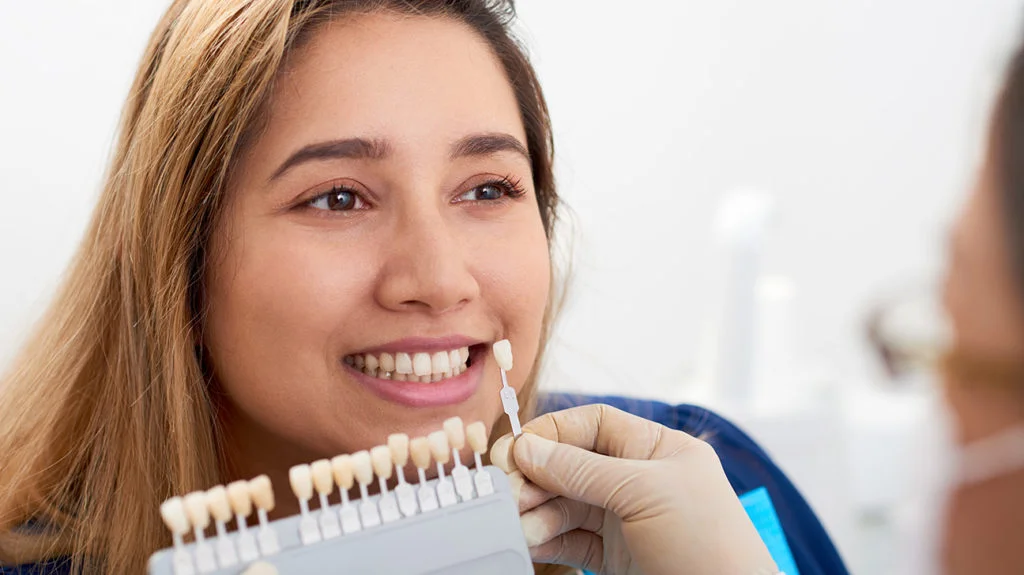
No, it's not acceptable to permanently cement veneers without a proper try-in period. At Picasso Dental Clinic, we always allow patients to see and approve their veneers before final cementation. During try-in, we place the veneers with temporary adhesive so you can evaluate color, shape, size, and overall appearance in different lighting. This is your opportunity to request adjustments before we make the results permanent. In my 10 years treating 70,000+ patients from 65 countries, I've never skipped this step. It's about informed consent and ensuring you're completely satisfied before committing to a permanent change.

What are the advantages and disadvantages of porcelain veneers?
The main advantages of porcelain veneers are dramatic cosmetic improvement, long-lasting results of 10 to 15 years, stain resistance, and natural appearance. They can fix multiple issues at once like discoloration, chips, gaps, and minor misalignment. The disadvantages include permanent tooth alteration since we must remove enamel, higher cost compared to other options, potential for chipping or breaking, possible increased sensitivity, and the need for eventual replacement. In my decade at Picasso Dental Clinic treating 70,000+ patients, I find the best candidates understand these tradeoffs and prioritize lasting aesthetic improvement