How do veneers compare to bonding?
Veneers and bonding serve similar cosmetic purposes but differ dramatically in durability, appearance, and cost. Veneers last 10 to 15 years, resist staining, and look incredibly natural, but cost significantly more and require tooth preparation. Bonding costs about one third the price, requires minimal tooth alteration, and completes in one visit, but stains within two to three years and needs replacement every three to five years. At Picasso Dental Clinic locations in Hanoi, Da Nang, and Ho Chi Minh City, I help patients choose based on their specific goals, timeline, and budget. For minor fixes or temporary solutions, bonding works beautifully. For lasting smile transformations, veneers deliver superior results.

Can veneers fix severely discolored teeth?
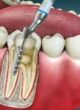
Yes, veneers can effectively cover severely discolored teeth that don't respond to whitening treatments. I've used veneers to mask tetracycline staining, fluorosis, trauma discoloration, and dark teeth from root canals at Picasso Dental Clinic locations across Vietnam. The porcelain completely hides the underlying color while creating a natural, bright appearance. However, extremely dark teeth sometimes require special preparation techniques or slightly thicker veneers to prevent the darkness from showing through. In my decade treating patients in Hanoi, Da Nang, and Ho Chi Minh City, veneers have consistently delivered beautiful results even for the most stubborn discoloration cases.

Do I need healthy teeth and gums for veneers?
Yes, you absolutely need healthy teeth and gums before getting veneers. Veneers are cosmetic restorations that bond to your natural tooth structure, so decay, gum disease, or structural damage must be treated first. At Picasso Dental Clinic locations in Hanoi, Da Nang, and Ho Chi Minh City, I've turned away patients requesting immediate veneers because untreated cavities or active gum infection would guarantee failure. We always address underlying dental problems first, then move forward with veneers once your oral health is solid. This foundation work ensures your veneers last 10 to 15 years instead of failing within months.

Are porcelain veneers more expensive than composite veneers?
Yes, porcelain veneers typically cost two to three times more than composite veneers because they require lab fabrication, premium materials, and multiple appointments. Porcelain lasts 15 to 20 years and resists staining beautifully, while composite lasts five to seven years and stains more easily. The higher upfront cost of porcelain often provides better long-term value through longevity and appearance. At Picasso Dental Clinic, where I've placed thousands of both types since 2013 treating over 70,000 patients, I recommend porcelain for permanent smile transformations and composite for budget-conscious patients, younger patients, or those testing cosmetic changes

What factors affect the cost of veneers?
Veneer costs are affected by geographic location and overhead expenses, material quality and type, dentist experience and training, case complexity, number of veneers needed, lab quality, and whether preliminary treatments are required. A veneer in Manhattan costs more than an identical one in Vietnam due to operational costs, not quality differences. Premium materials cost more but last longer and look better. At Picasso Dental Clinic, where I've completed thousands of veneer cases since 2013 treating over 70,000 patients from 65 nationalities, I explain that the lowest price rarely provides the best value. Understanding what drives costs helps you invest wisely

Does dental insurance cover porcelain veneers?
This is a practical question that affects treatment decisions for many patients. I’m Dr. Emily Nguyen from Picasso Dental Clinic, and I need to give you an honest answer that will probably disappoint you initially, though understanding insurance logic helps you plan realistically for veneer investment. Why Insurance Doesn’t Cover Cosmetic Veneers Insurance companies distinguish […]

What is the cost for a full set of veneers?
A full set of veneers typically means eight to ten upper teeth or 16 to 20 teeth for both arches. In Western countries, expect $8,000 to $25,000 for upper teeth or $16,000 to $50,000 for both upper and lower. In Vietnam, similar quality treatment costs 60 to 70 percent less. At Picasso Dental Clinic, where we've completed thousands of full smile makeovers since 2013 treating over 70,000 patients, most full sets range from eight to twelve teeth rather than all visible teeth. I cannot provide exact quotes without evaluation because your tooth condition, material selection, and complexity dramatically affect total investment.