A complete set of fixed teeth, planned to the millimetre.
All-on-4 replaces a full arch of failing or missing teeth with a fixed bridge anchored on four implants. At Picasso Dental every case is planned from a CBCT 3D scan, placed by a surgeon who does full-arch work every week, and finished with a bridge designed around your bite, your face and your smile.
Four implants. One fixed arch.
All-on-4 is a full-arch reconstruction in which four titanium implants support a fixed bridge of 12 to 14 teeth. The bridge is screwed onto the implants, so it stays in place when you eat, speak and laugh, and it never comes out at night like a denture.
What makes the technique work is geometry. The two front implants sit upright. The two rear implants are tilted 30 to 45 degrees, so they reach longer, denser bone while steering clear of the sinus in the upper jaw and the nerve in the lower jaw. That tilt lets four implants carry a full arch, and it is the reason many patients who were told they need grafting first can be treated without it.
In most cases you leave surgery with a provisional fixed bridge the same or next day. The final bridge follows once the implants have fused with the bone.
What goes into every All-on-4 we place.
A full-arch reconstruction lives in your mouth for decades. These are the standards we hold every case to, from the first scan to the last adjustment.
CBCT 3D planning before any incision
Every case starts with a Cone Beam CT scan that maps bone height, width and density at each potential implant site. Implant positions and angles are set digitally, so surgery follows a plan rather than improvising in the chair.
Genuine implant systems only
We place Nobel Biocare, Straumann and Neodent fixtures sourced through official channels. Brand, model, lot and serial number for each implant are recorded in an implant passport you take home.
A surgeon who does this every week
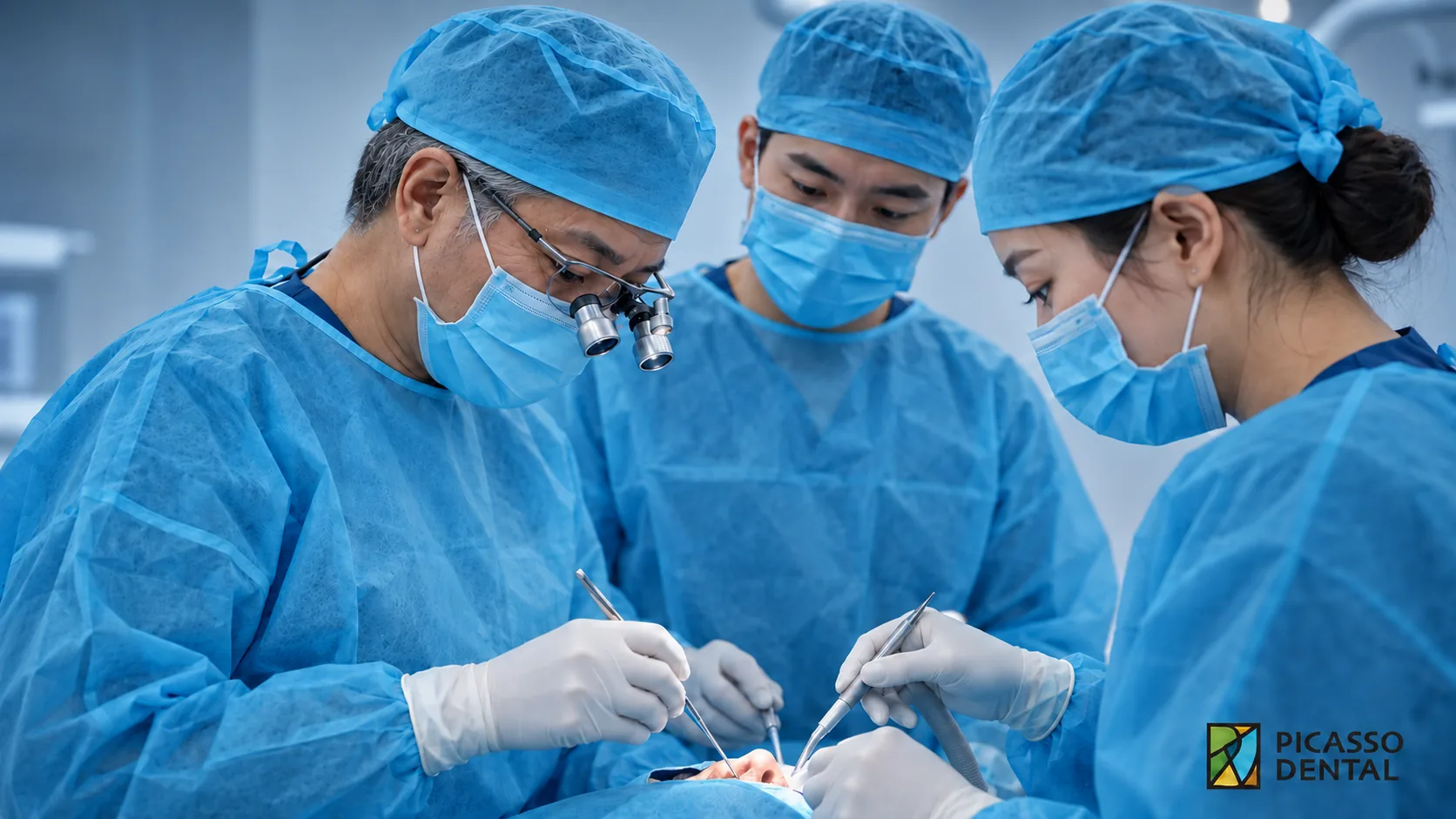
Full-arch surgery is led by our implant team, with 1,000+ implants placed and 200+ All-on-X cases completed. Angled placement and same-day provisionals are routine work for them, not an occasional procedure.
Hospital-based surgery when you want it
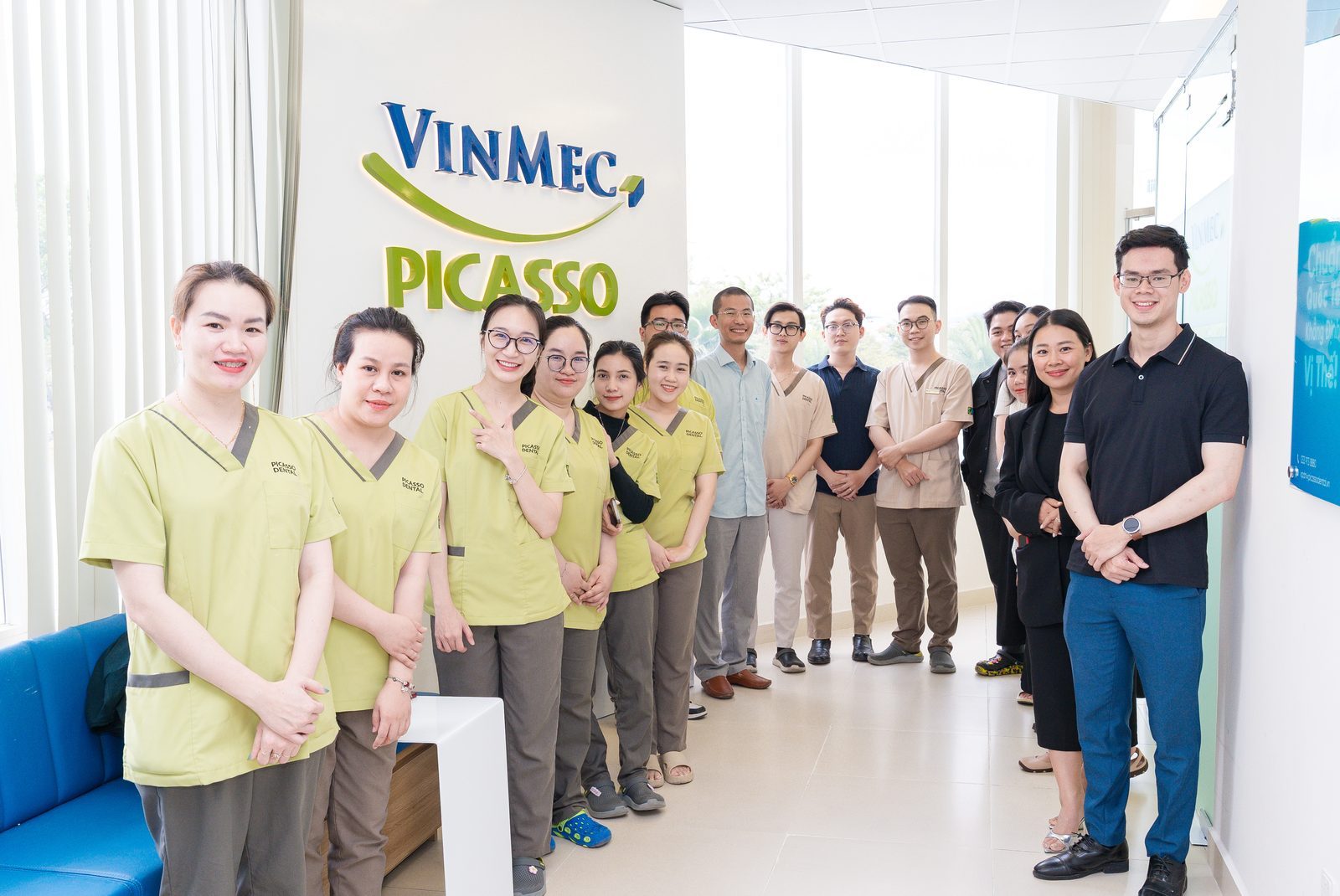
Two of our clinics sit inside accredited hospitals: Vinmec International Hospital Da Nang and Link General Hospital Da Lat. Patients with medical conditions, or who simply want on-site anaesthesiology and emergency support, can have surgery there.
A bridge designed around your face
Tooth shape, shade, lip support, smile line and bite height are planned before surgery and checked again at every fitting. The aim is teeth that look like they belong to you, chew evenly and let you speak naturally.
Medical screening and sterile protocol
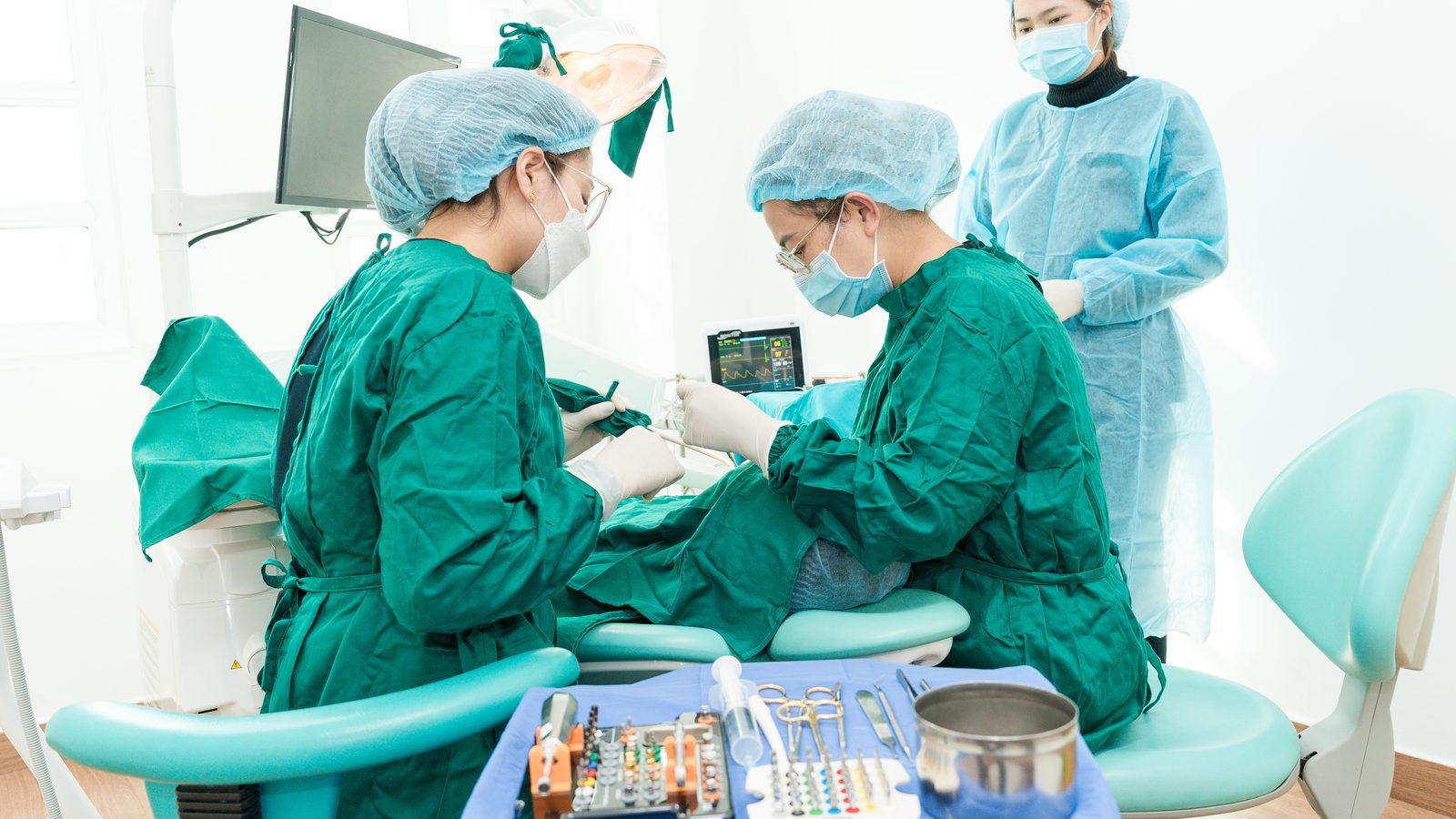
Medical history and blood tests are reviewed before surgery, with diabetes control, smoking and medications such as bisphosphonates checked in advance. Instruments go through validated autoclave sterilisation for every patient.
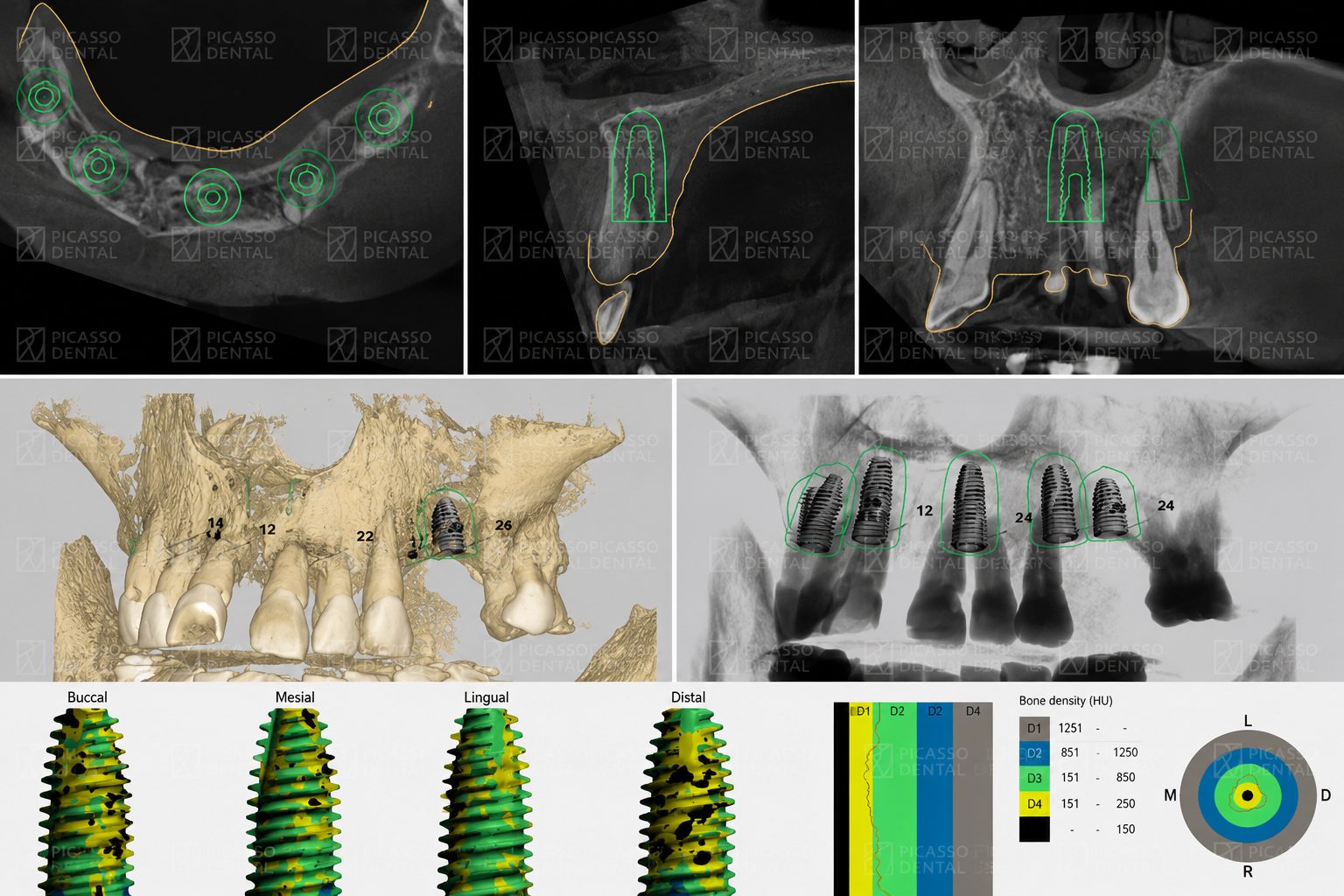
Your surgery is rehearsed on screen first.
From the CBCT data we build a 3D model of your jaw, place each implant virtually, and check bone density along its full length. The sinus, nerve and neighbouring structures are mapped before the day of surgery, not discovered during it.
Is All-on-4 right for you?
All-on-4 suits most adults losing or missing a full arch. The final decision follows your CBCT scan, your medical history and an honest conversation about what you want.
Usually a strong candidate
- A full arch of teeth that are missing, failing, or held in by a loose denture.
- Limited bone at the back of the jaw, including patients told elsewhere they need sinus lifts or extensive grafting.
- Generally good health, with diabetes (if present) well controlled.
- Healthy gums, or gum disease treated before surgery.
- A non-smoker, or willing to stop before and after surgery.
- Ready to keep up daily cleaning and six-monthly reviews.
We may recommend something else
- Only a few teeth missing: single implants or a small implant bridge preserve more of your natural teeth.
- Severe bone loss at the front of the jaw, which may need grafting first or zygomatic implants.
- Heavy grinding with good bone volume, where All-on-6 spreads the load better.
- Uncontrolled diabetes or recent IV bisphosphonate therapy.
- Active gum infection that has not yet been treated.
If All-on-4 is not the best answer for you, we will say so and explain the alternative, whether that is All-on-6, an implant-supported denture or staged grafting.
From first scan to final smile.
Around six months from surgery to the definitive bridge for a standard case, with fixed provisional teeth throughout.
- Day 1
Consultation & CBCT
Examination, medical history, blood tests and a CBCT 3D scan. We talk through what you want your new teeth to look and feel like.
- Day 1–2
Digital plan
Implant positions, angles and the new smile are designed digitally. You see the plan and ask questions before anything is final.
- Day 2–3
Surgery & provisional
Failing teeth removed and four implants placed under local anaesthetic, with sedation available. Provisional fixed teeth fitted the same or next day.
- ~6 months
Healing
The implants fuse with the bone. You wear your fixed provisional teeth, eat a gradually firmer diet and stay in touch with our team.
- 2–3 visits
Final bridge
Digital impressions, try-ins for fit, bite and smile line, then your definitive bridge is fitted and your full case file handed over.
Proven systems, chosen for your case.
Every system we place is backed by long-term clinical research. We recommend one after reviewing your bone quality, bite and prosthetic plan.
| System | Origin | Clinical strengths |
|---|---|---|
| Nobel Biocare | Switzerland | Developed the original All-on-4 treatment concept; the longest published full-arch follow-up data. |
| Straumann | Switzerland | Advanced surface technology for bone integration; extensive long-term research across complex cases. |
| Neodent | Brazil (Straumann Group) | Designed for strong primary stability, which supports same-day provisional teeth. |
Read more in our guide to dental implant brands.
Provisional bridge
A lightweight fixed bridge fitted on surgery day so you never go without teeth. It protects the healing implants while you adapt to your new bite.
Acrylic on titanium
A milled titanium framework with acrylic teeth and gums. Slightly cushioned under load and straightforward to repair.
Zirconia
A monolithic zirconia bridge with natural translucency, very high strength and excellent stain resistance for long-term aesthetics.
All-on-4 cases from our clinics.
Published with each patient’s written consent. Materials, scope and treatment time are listed exactly as performed.

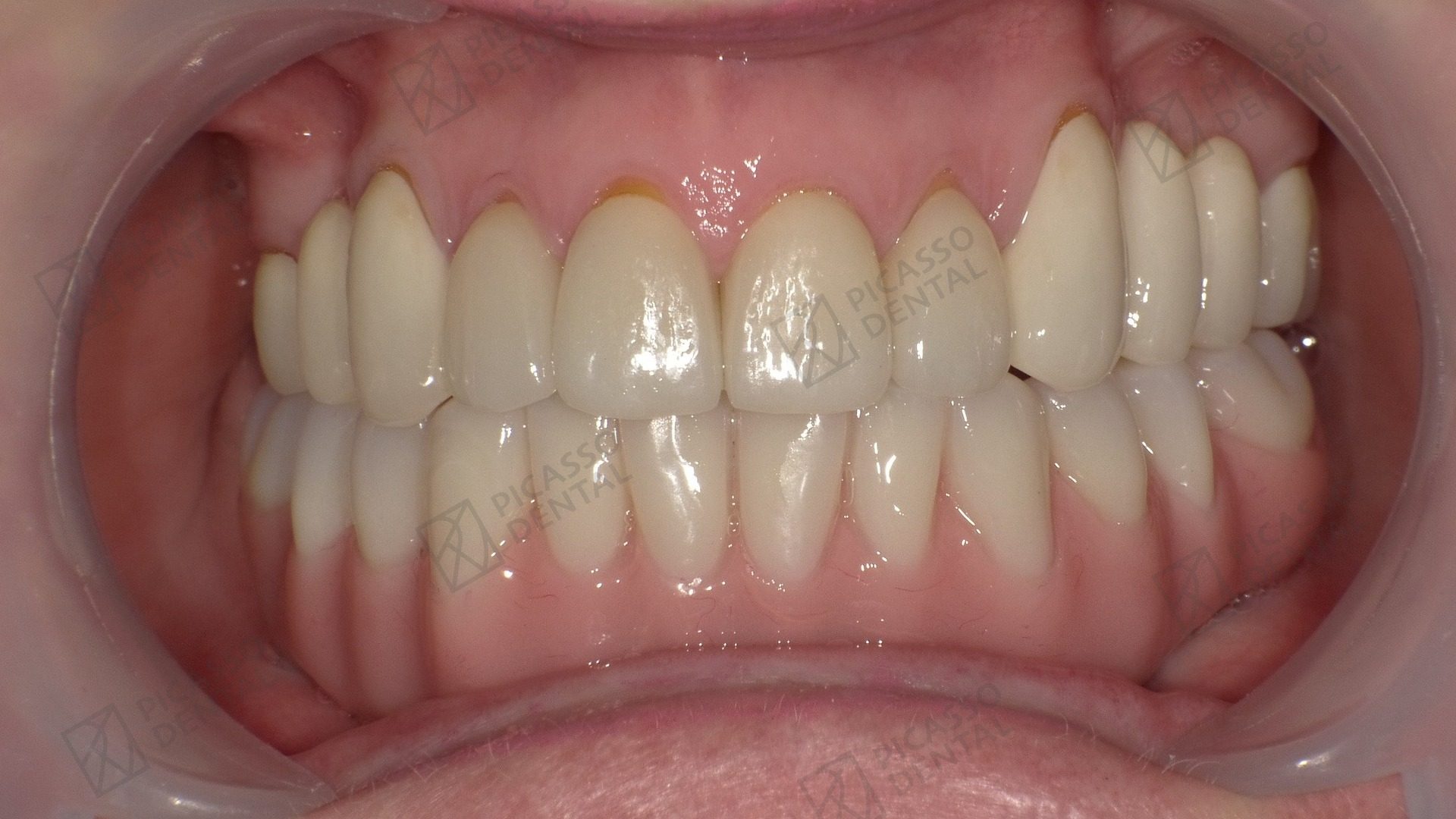
All-on-4 Upper Jaw, Nobel Biocare
- Material Nobel Biocare (Switzerland) implants + full-arch fixed bridge
- Scope All-on-4 upper jaw with extensive periodontal work and staged restoration
- Duration 2 visits over ~6 months
- Branch HCMC Masteri Thao Dien
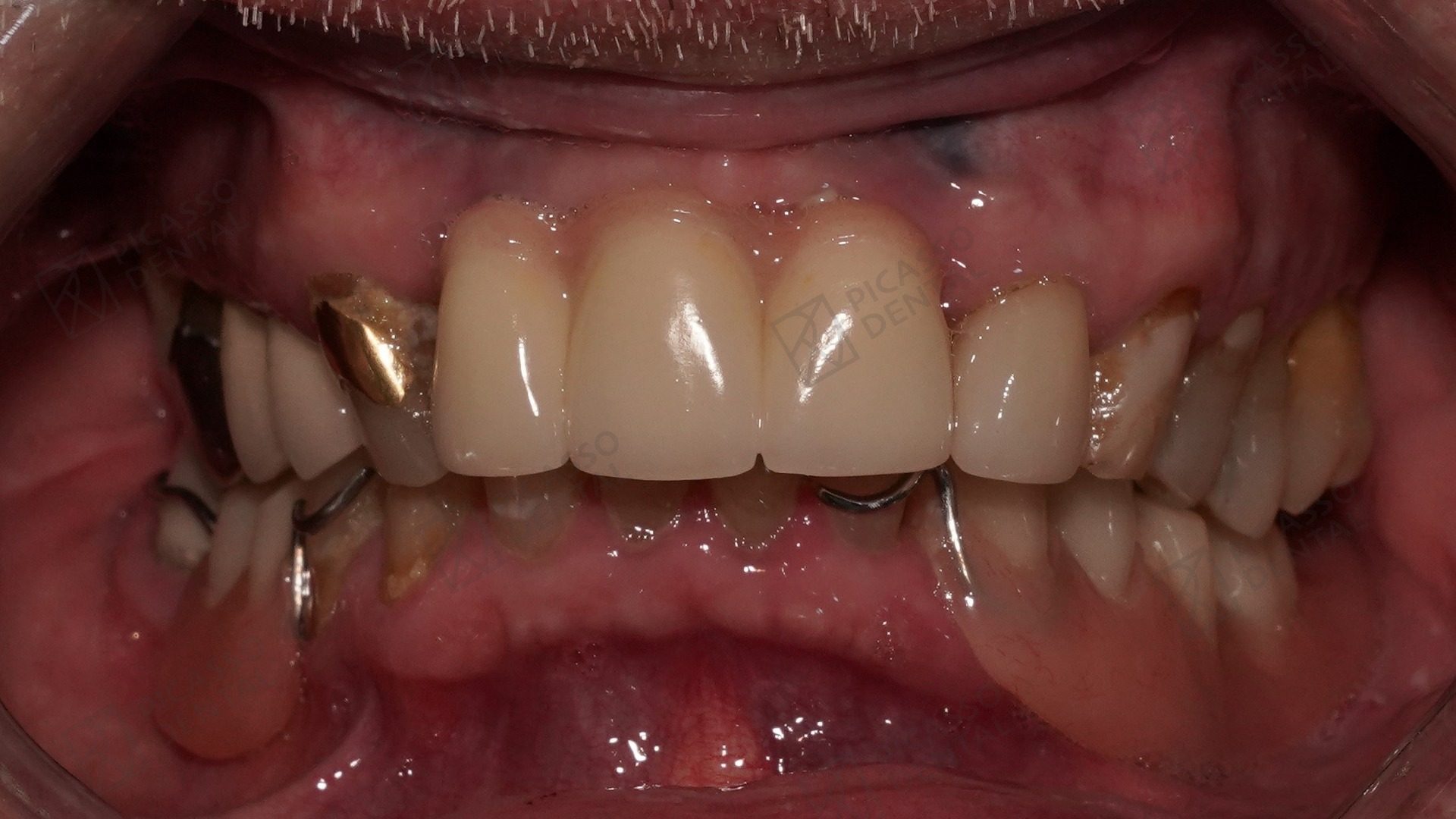
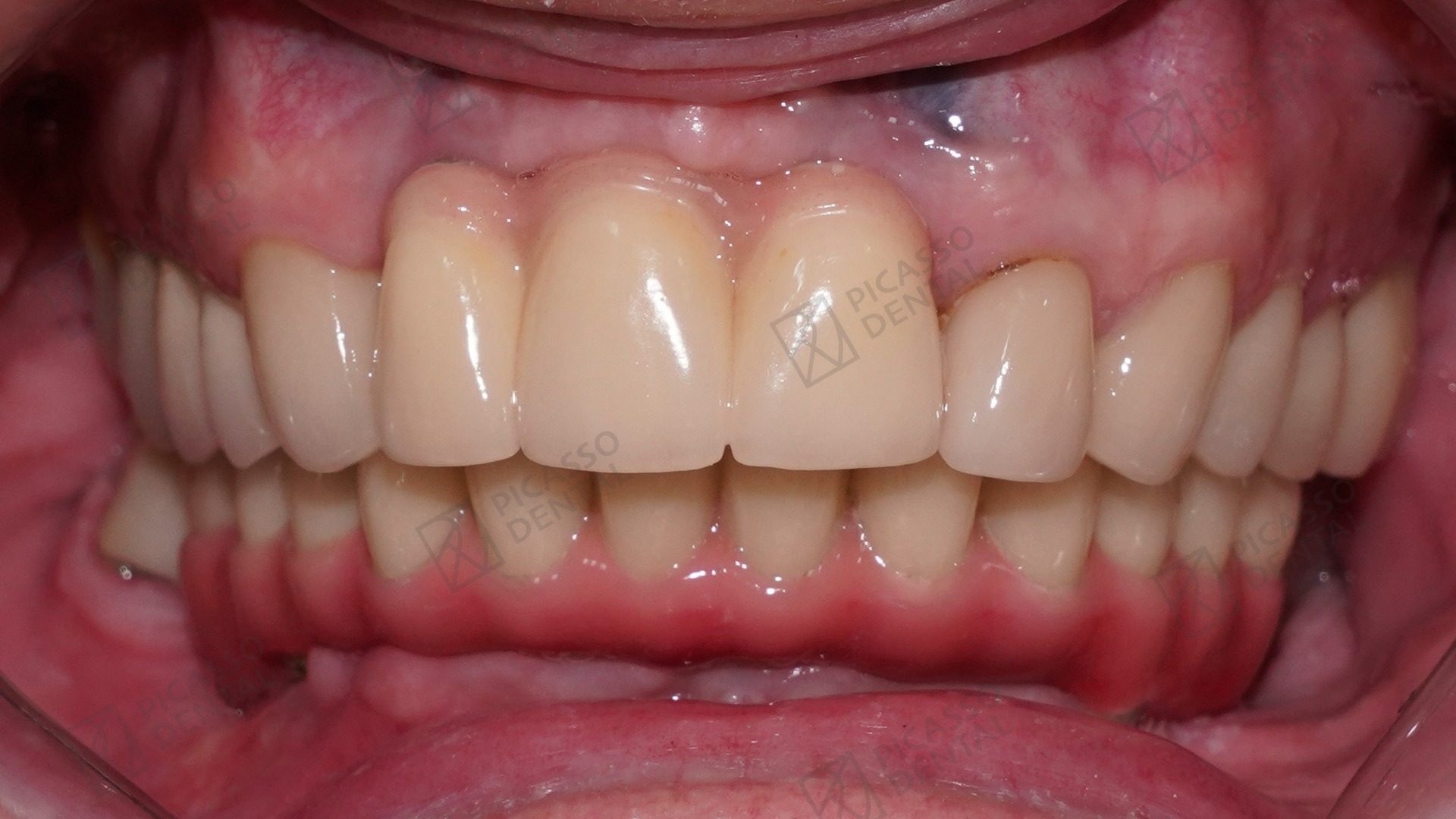
All-on-4 Lower Jaw, Nobel Biocare
- Material Nobel Biocare (Switzerland) implants + full-arch fixed bridge
- Scope All-on-4 lower jaw integrated with upper-arch implant and crown work
- Duration 2 visits over ~9 months
- Branch HCMC Masteri Thao Dien
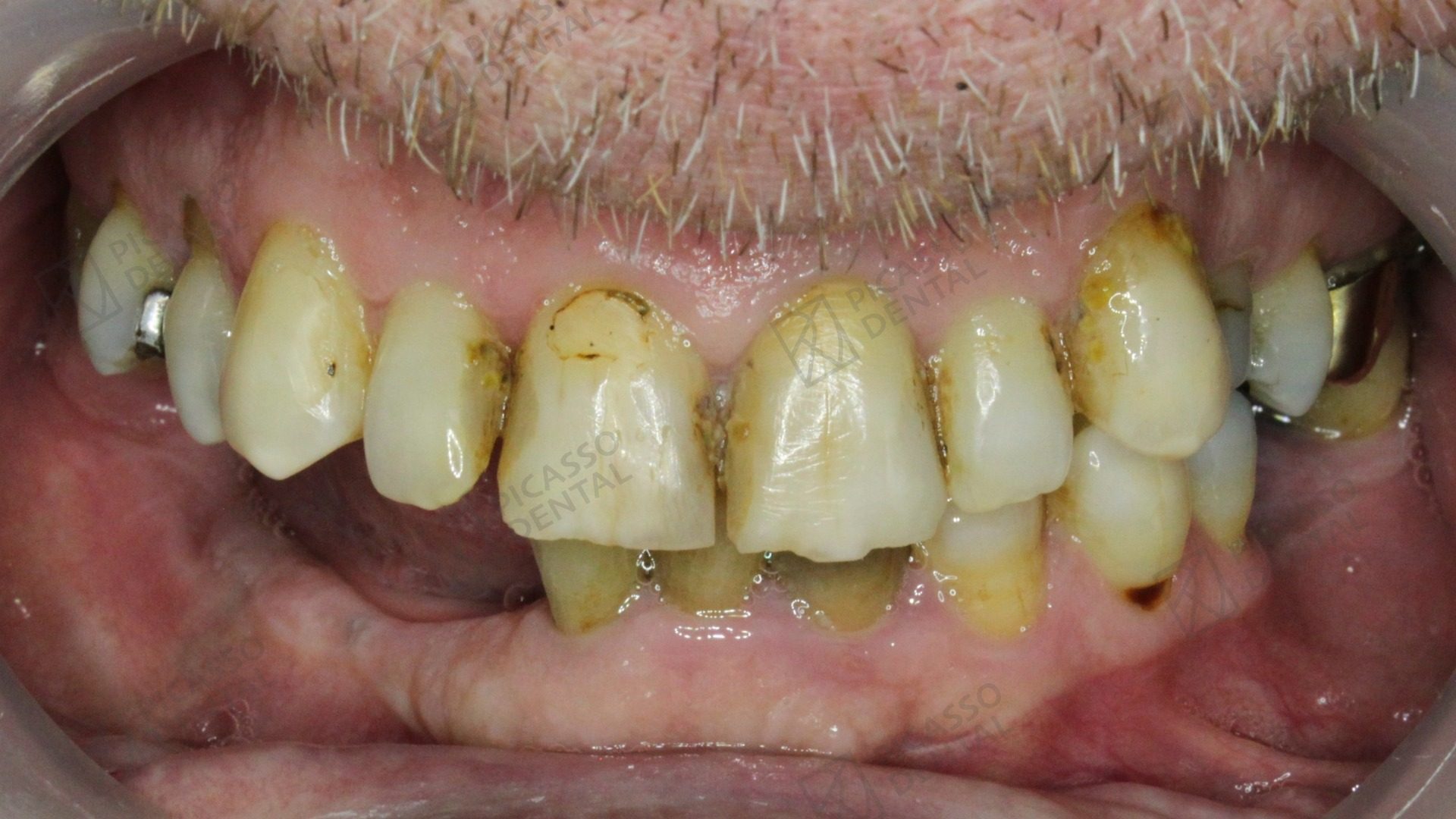
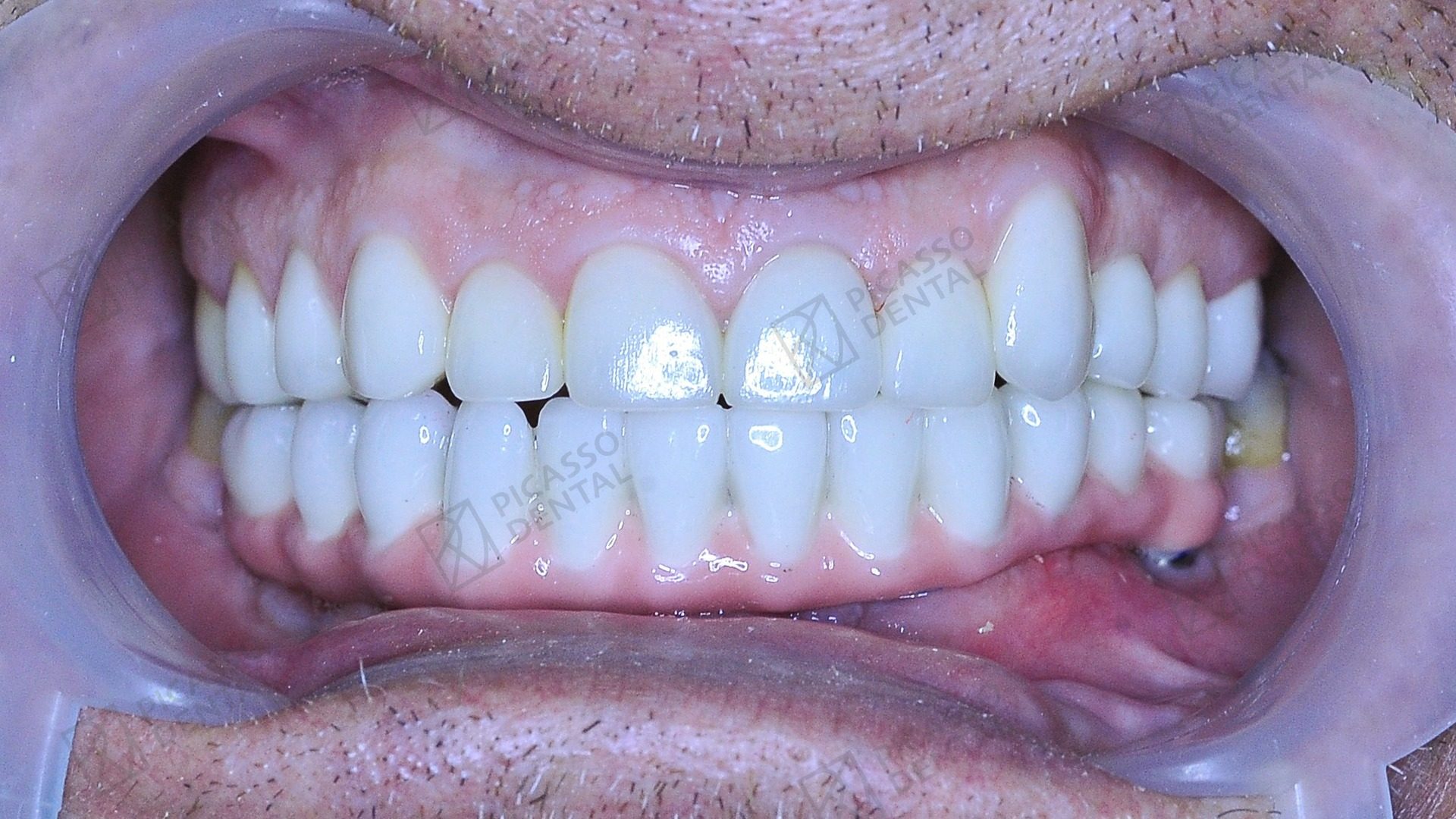
All-on-4 Upper Jaw, Nobel Biocare
- Material Nobel Biocare (Switzerland) implants + full-arch fixed bridge
- Scope All-on-4 upper jaw rehabilitation with surgical extractions
- Duration 2 visits
- Branch Hanoi Old Quarter
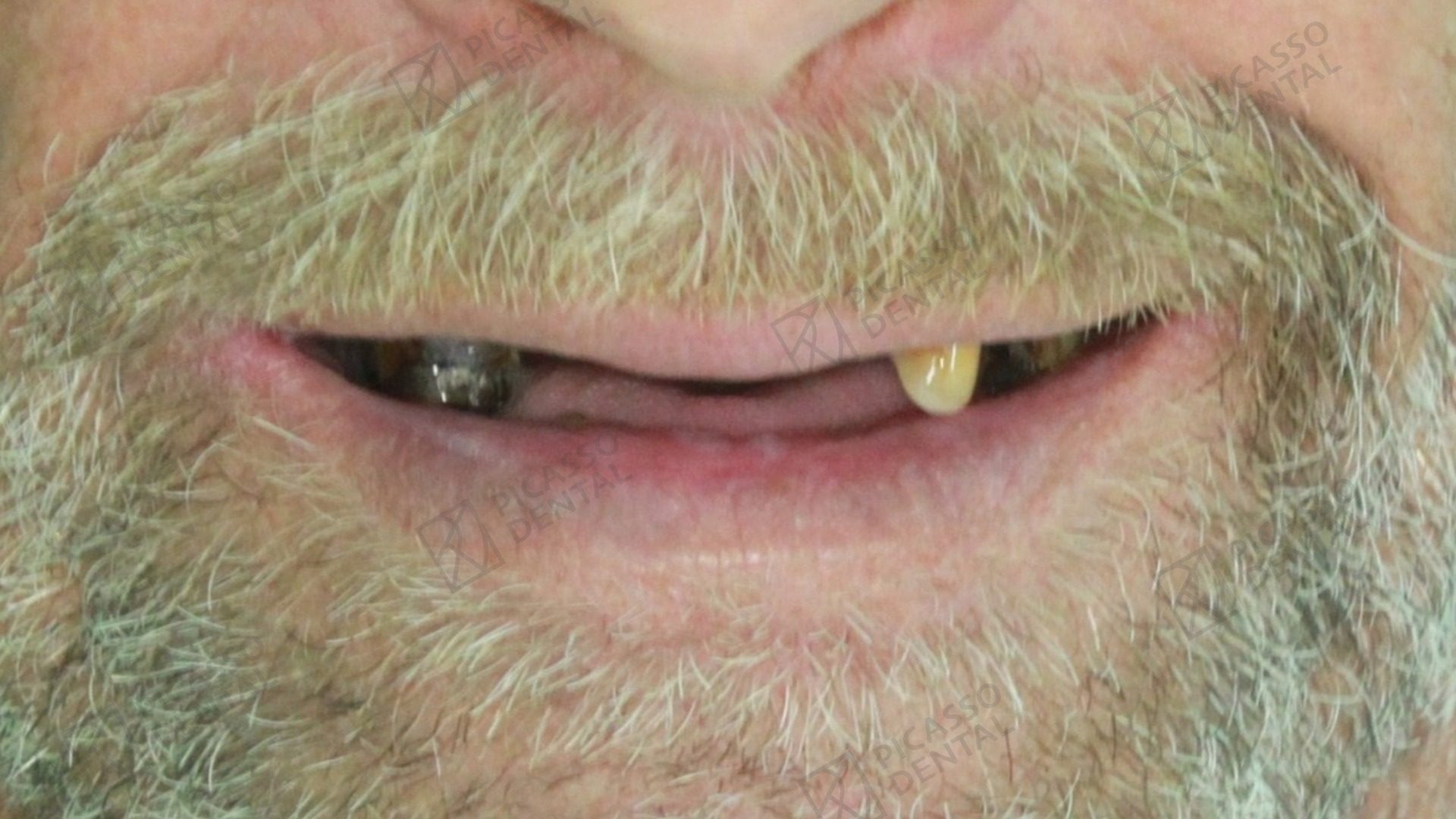
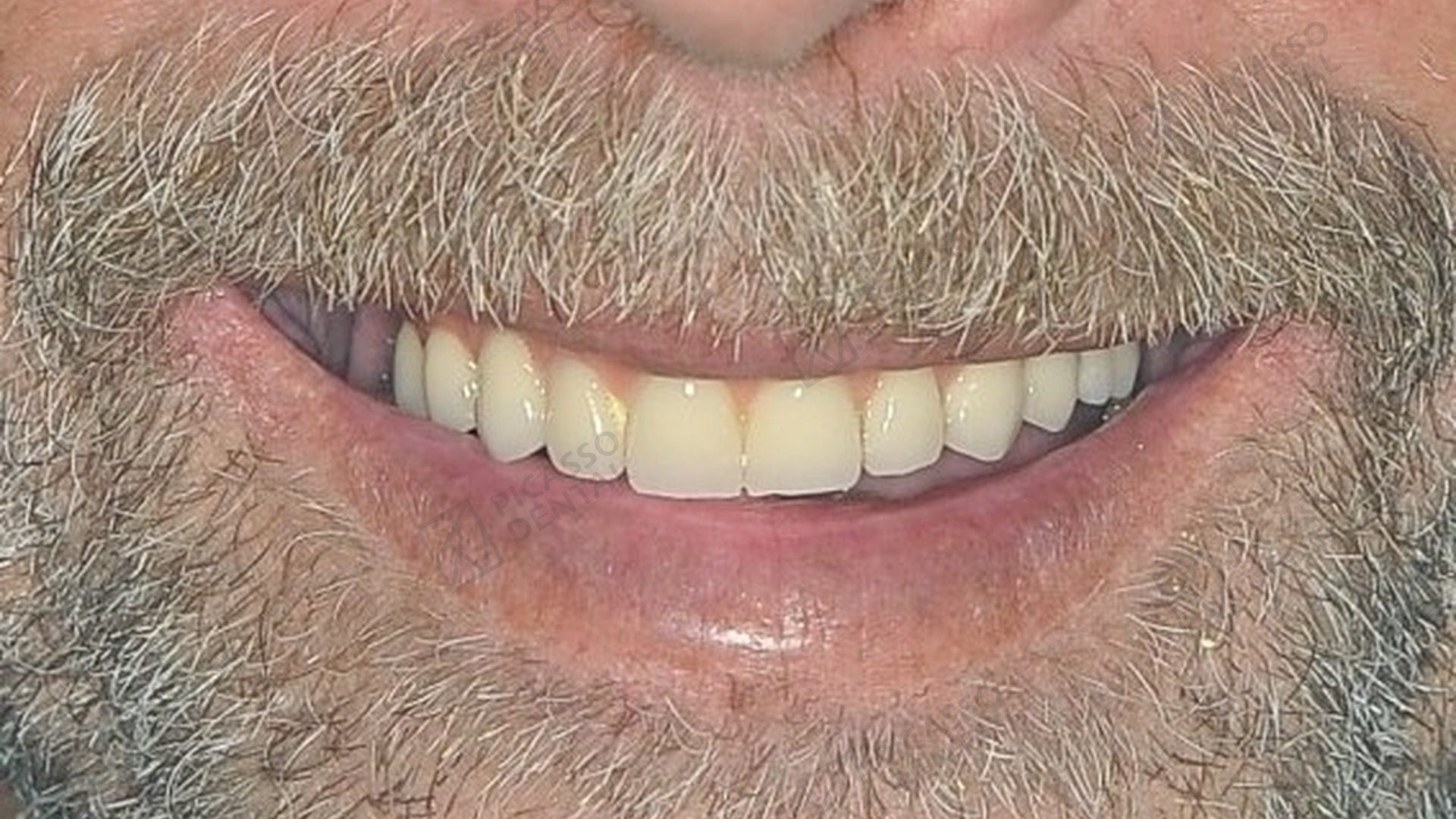
All-on-4 Upper Jaw, Nobel Biocare
- Material Nobel Biocare (Switzerland) implants + full-arch fixed bridge
- Scope All-on-4 upper jaw from nearly-edentulous starting point
- Duration 2 visits over ~8 months
- Branch Hanoi Old Quarter
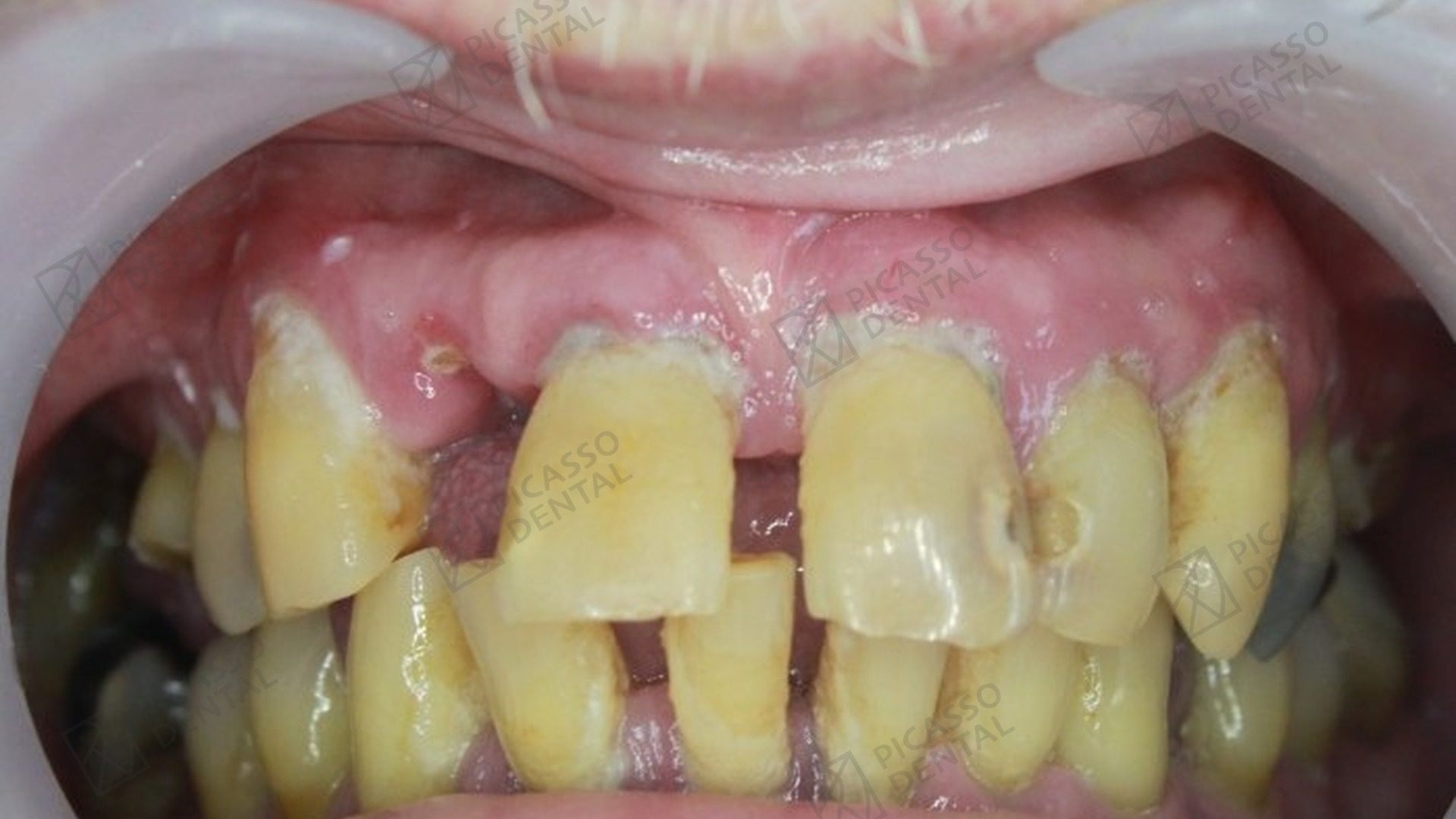
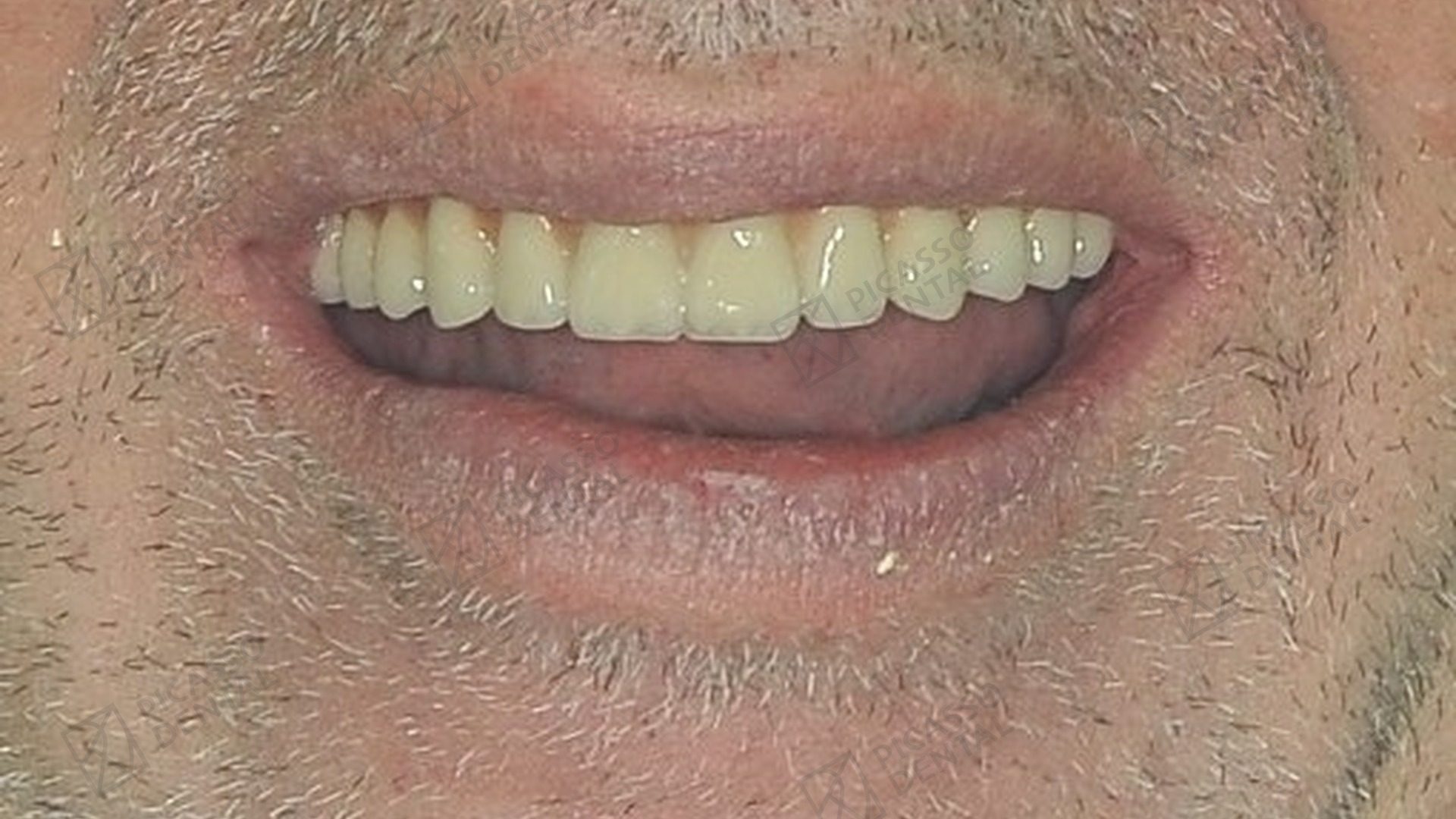
All-on-4 Both Jaws, Nobel Biocare
- Material Nobel Biocare (Switzerland) implants + full-arch fixed bridges, both jaws
- Scope All-on-4 both jaws (upper first visit, lower second visit)
- Duration 2 visits, 8 months apart
- Branch Hanoi Old Quarter
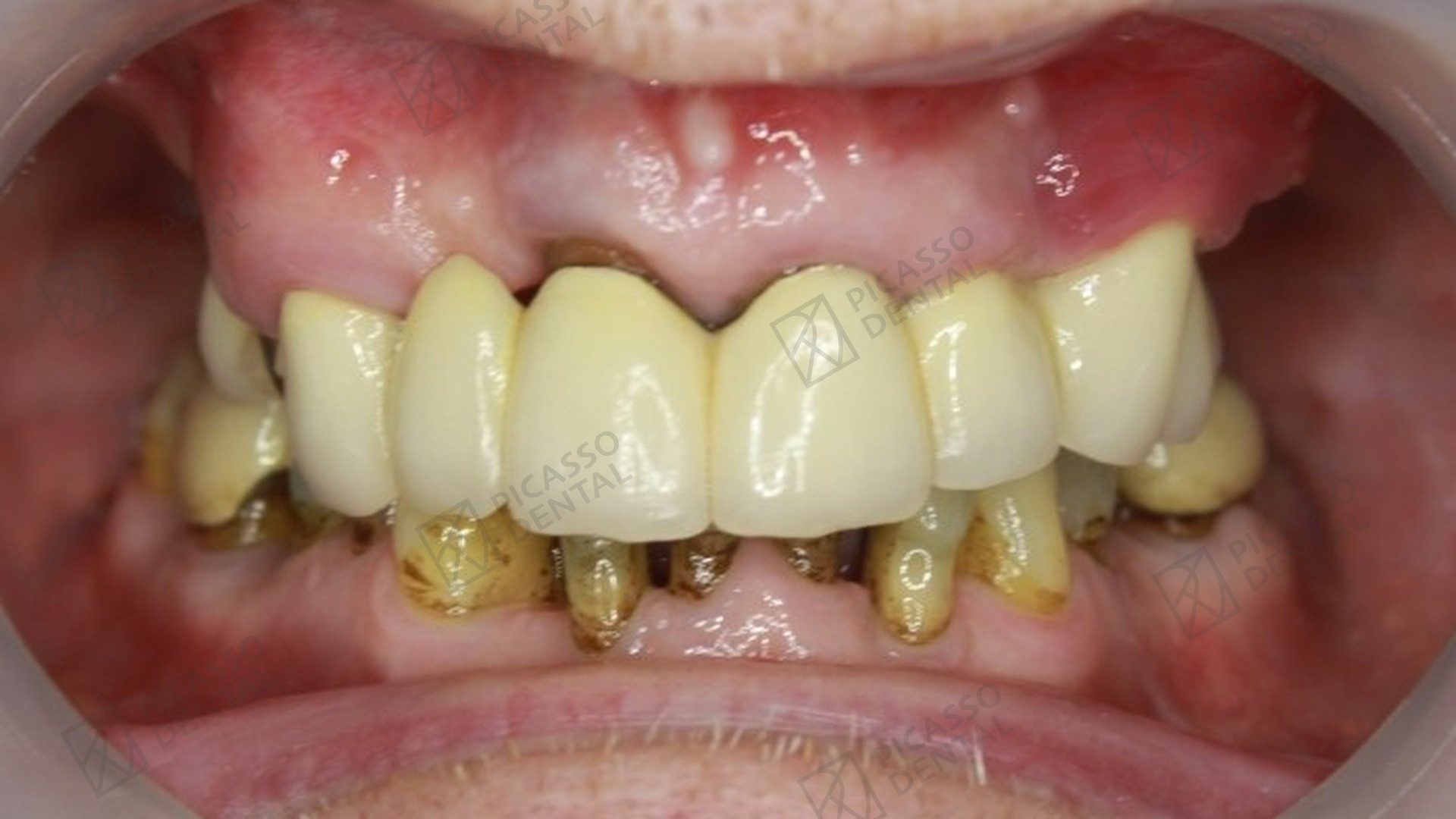
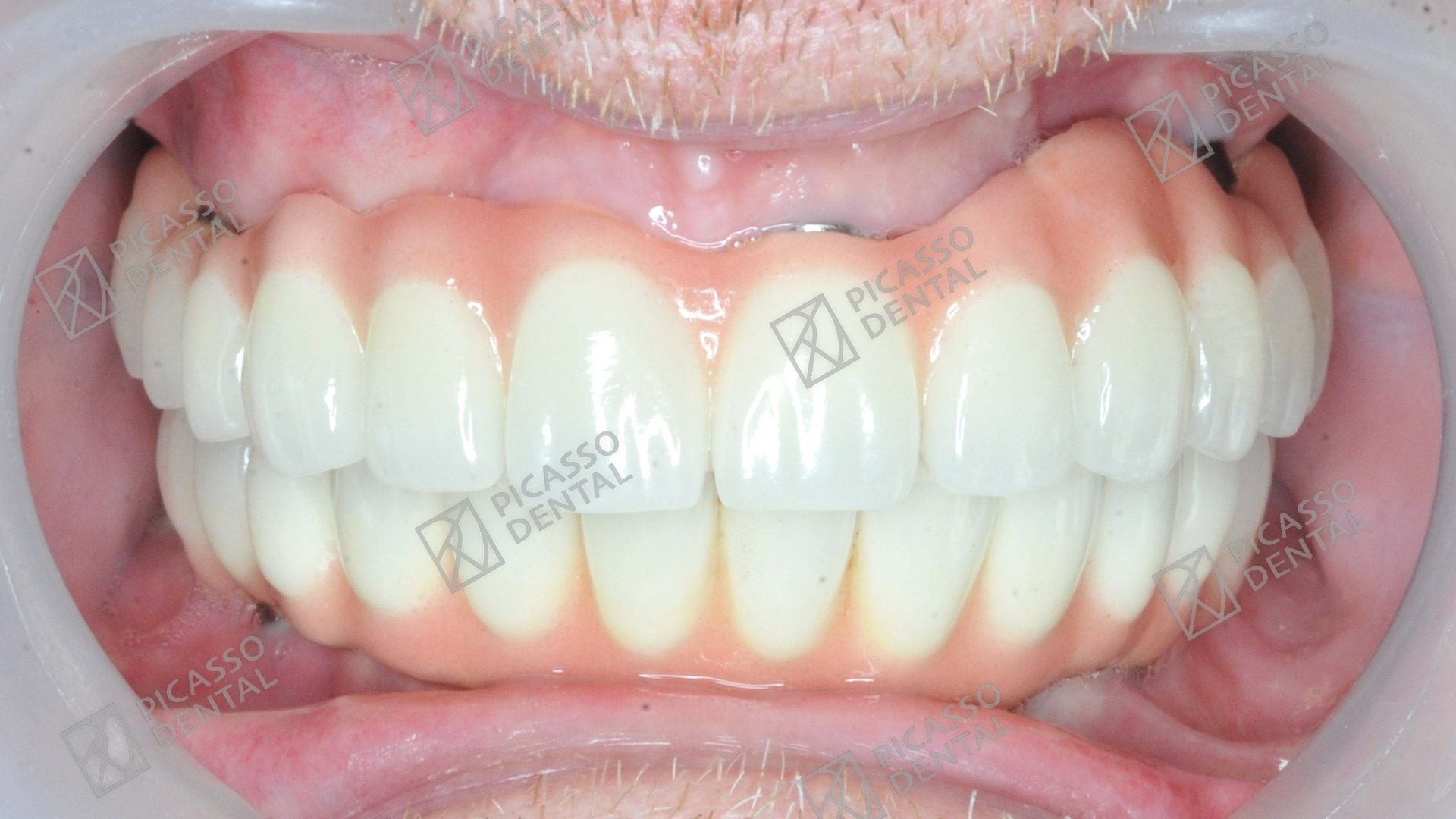
All-on-4 Upper Jaw, Nobel Biocare
- Material Nobel Biocare (Switzerland) implants + full-arch acrylic bridge
- Scope All-on-4 upper jaw rehabilitation, surgical stage with immediate temporary
- Duration 2 visits over ~4 months
- Branch Hanoi Old Quarter
All-on-4 or All-on-6?
Both are well-documented and reliable when matched to the right patient. The deciding factors are your bone and your bite.
| All-on-4 | All-on-6 | |
|---|---|---|
| Implants per arch | 4 | 6 |
| Bone needed | Designed for limited bone | Adequate volume at six sites |
| Sinus lift (upper jaw) | Often avoided by tilted rear implants | More often needed if bone is limited |
| Load distribution | Good | Excellent, shorter cantilever |
| Best suited to | Typical chewing forces | Heavy chewers and grinders |
| Surgery time | About 2 hours per arch | About 3 hours per arch |
| 10-year implant survival | 94–98% in published studies | Comparable |
Mixed plans are common: the lower jaw often has bone for six implants while the upper jaw is better served by four. Learn more about All-on-6.
In our patients’ own words.
“I had bottom jaw implant all on 4 to replace all of my broken, chipped teeth on lower jaw. The experience was outstanding. All of the staff are very professional and they make the experience very easy which was great for me as someone who does not speak Vietnamese.”
“The dental surgery I had in relation to a severe bone infection, bone grafts, removal and replacement of implants was done by the very skilled and highly educated dentist and his technicians to the highest standards. I am delighted with the end result, my new teeth look very natural.”
Looking after your new teeth.
Implants do not decay, but the gum and bone around them need care. These habits protect your result for the long term.
Rest & soft food
Swelling peaks around day three. Soft diet, no smoking, no straws. Medication and written instructions provided.
Healing period
A gradually firmer diet while the implants integrate. Check-ins with our team by message or video if you are home.
Clean under the bridge
Soft brush twice daily, a water flosser under the bridge and interdental brushes around each implant.
Professional review
Hygiene visits every six months and an annual X-ray to confirm stable bone levels, with us or your local dentist.
Two ways to plan your trip.
Before you book flights, send a recent CBCT or panoramic X-ray. Our implant team reviews it and outlines a treatment plan so you know what to expect.
Two trips, healing at home
- Trip 1 · 10–14 days
- Consultation, CBCT, surgery and fixed provisional teeth. Fly home with a working bite.
- At home · ~6 months
- Implants integrate. Remote check-ins with our team; local hygiene visits as normal.
- Trip 2 · 10–14 days
- Final bridge designed, tried in and fitted. Implant passport and full case file handed over.
One longer stay in Vietnam
- Month 1
- Consultation, surgery and provisional teeth, then two weeks of recovery.
- Months 2–5
- Live in Hanoi, Da Nang or Da Lat while the implants heal, with regular reviews by the same team.
- Month 6
- Final bridge fitted before you fly home.
What the evidence says.
No surgery is without risk. Here is what long-term research reports, and how careful planning keeps avoidable risks low.
10-year implant survival
Reported in Maló and colleagues’ long-term All-on-4 series and in a 2017 systematic review by Soto-Peñaloza and colleagues covering more than 4,000 implants.
Smoking roughly doubles failure risk
Smoking also raises the risk of peri-implantitis. We ask you to stop at least two weeks before surgery and stay smoke-free for eight weeks after.
Cases operated without a 3D plan
Every All-on-4 is planned on CBCT, screened medically and placed under sterile protocol, with hospital-based surgery available for patients who need it.
Possible complications include an implant that fails to integrate, inflammation around the implants if cleaning is neglected, and wear or fracture of the bridge over time. We keep your CBCT and digital impression files on record, so any repair or remake can be planned from your original data.
Common questions.
What is All-on-4?
All-on-4 replaces a full arch of teeth with a fixed bridge supported by four implants. The two rear implants are tilted so they can anchor in the strongest available bone, which often removes the need for bone grafting or a sinus lift. The bridge is screwed in place and does not come out like a denture.
Will I leave with teeth on the day of surgery?
In most cases, yes. When the implants achieve good primary stability, a provisional fixed bridge is fitted on the day of surgery or the following day. The final bridge is fitted once the implants have fused with the bone, usually around six months later.
How long does All-on-4 treatment take?
Around six months from surgery to the final bridge. Most international patients complete it in two trips: surgery and provisional bridge on the first, final bridge on the second.
Will I need bone grafting?
Often not. Tilting the rear implants lets them reach denser bone and avoid the sinus or nerve, so many patients told elsewhere they need grafting can proceed without it. Your CBCT scan gives the definitive answer.
Is All-on-4 surgery painful?
The surgery is performed under local anaesthetic, with IV sedation available, so you should not feel pain during the procedure. Swelling and tenderness peak around day three and are managed with prescribed medication. Most patients describe recovery as easier than they expected.
Which implant brand will you use?
We place Nobel Biocare, Straumann and Neodent, all genuine manufacturer fixtures with serial numbers recorded in your implant passport. The right system depends on your bone quality, bite and the prosthetic design, and we explain the recommendation after reviewing your CBCT.
What is the difference between All-on-4 and All-on-6?
All-on-4 uses four implants per arch and is designed for limited bone. All-on-6 uses six and spreads chewing force across more anchor points, which suits heavy chewers when bone volume allows. Many patients have All-on-6 in the lower jaw and All-on-4 in the upper.
How long do All-on-4 implants last?
Long-term studies report 10-year implant survival of roughly 94 to 98 percent. With good hygiene and regular reviews, the implants are intended to last for decades. The bridge on top may eventually need renewal, depending on material and wear.
Where is All-on-4 surgery performed?
At our branches across Hanoi, Da Nang, Ho Chi Minh City and Da Lat, including two hospital-based clinics inside Vinmec International Hospital Da Nang and Link General Hospital Da Lat, recommended for patients who want on-site medical support.
Can I have All-on-4 as an international patient?
Yes. Full-arch treatment for international patients is a core part of our work. You can send a recent CBCT or panoramic X-ray before you travel so our implant team can review it and outline a treatment plan. See our international patient guide.
Send us your X-ray. Get a clear plan.
Share a recent CBCT or panoramic X-ray, a line about your medical history and what you would like to change. Our implant team reviews full-arch enquiries personally and replies with a recommended approach and treatment plan.
Replies from a licensed implant clinician · Since 2013