Does Zoom Whitening Damage Your Teeth?

Does Zoom Whitening Damage Your Teeth?
No, Zoom whitening does not damage your teeth when performed correctly by a qualified dental professional. The whitening gel and LED light work on the surface stains of your teeth without harming the enamel or internal structure. I’m Dr. Emily, the principal dentist at Picasso Dental Clinic, and over my 15 years treating more than 50,000 patients worldwide, I’ve safely performed countless Zoom whitening treatments with excellent results and no lasting damage. Some people experience temporary sensitivity for a day or two, but this is not the same as damage and goes away quickly. The key is having the treatment done properly in a dental clinic where we can protect your gums and control every step of the process.
Why People Worry About Tooth Damage
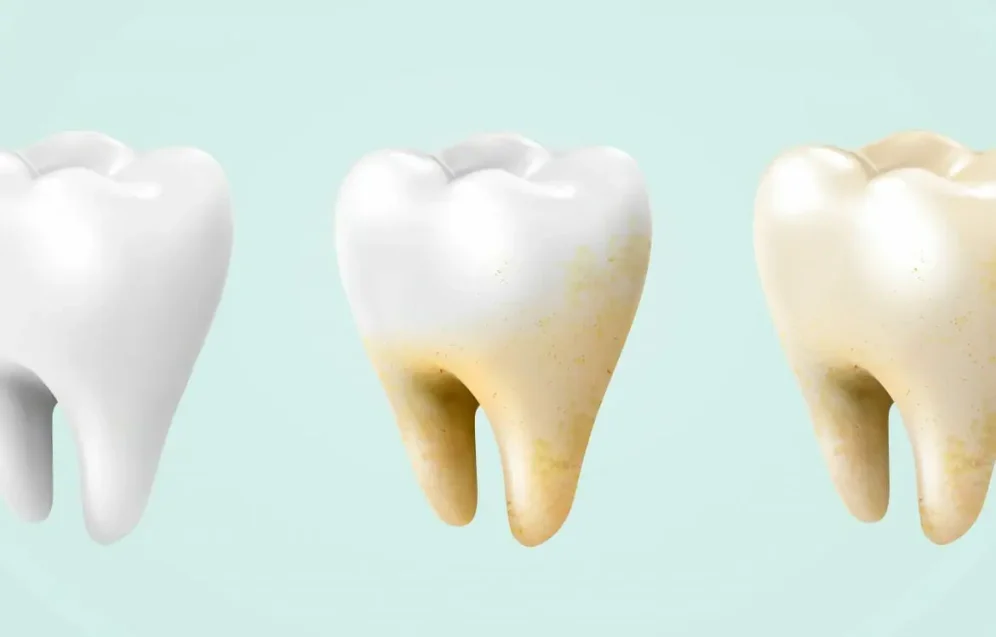
Many people are concerned about whitening because they’ve heard myths or had bad experiences with over-the-counter products used incorrectly. The idea that whitening weakens your enamel is a common misconception that’s not supported by scientific research. Your tooth enamel is the hardest substance in your body, and professional whitening gel doesn’t dissolve or erode it. What the gel does is break down stain molecules that have settled into the microscopic grooves and pores of your enamel over time. After the stains are broken down and removed, your enamel remains intact and just as strong as before. Some confusion comes from people who overuse whitening products at home, applying them too frequently or for too long, which can cause problems. When whitening is done professionally with proper protocols, the risk of any harm is extremely low. The hydrogen peroxide concentration in Zoom whitening is carefully formulated to be effective while remaining safe for tooth enamel. At Picasso Dental Clinic, we follow strict guidelines and monitor your treatment to ensure everything goes smoothly. Understanding the science behind whitening helps you see why professional treatment is safe when amateur misuse of products is not.
What Actually Happens During Zoom Whitening
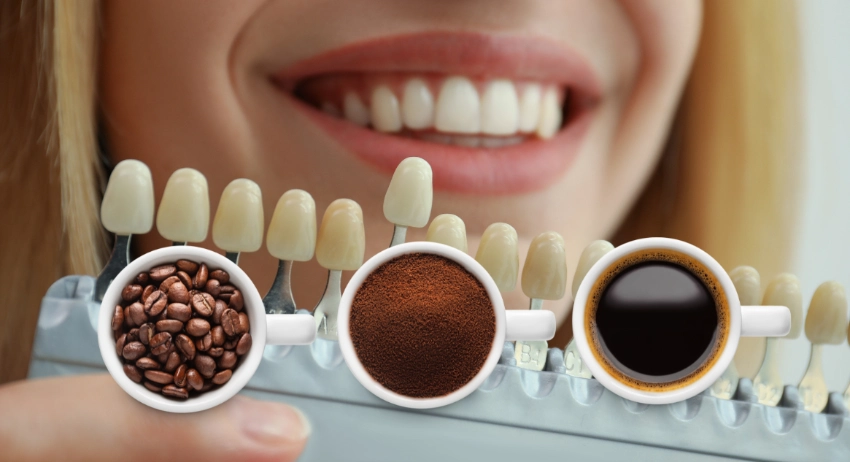
The Zoom whitening process uses a hydrogen peroxide gel that penetrates your tooth enamel to reach the stained molecules underneath. When we shine the special LED light on your teeth, it activates the gel and speeds up the chemical reaction that breaks apart stain compounds. These stain molecules are what make your teeth look yellow or brown, and breaking them down returns your teeth to their natural white color. The gel doesn’t remove any tooth structure or make your teeth thinner; it simply cleans out the discoloration. Think of it like using bleach to remove stains from a white shirt; the fabric isn’t damaged, just cleaned. Your enamel has tiny tubules and pores that stains can penetrate over years of drinking coffee, tea, wine, or smoking. The whitening gel goes into these same spaces to lift out the stains, then we rinse it all away. After treatment, your enamel naturally remineralizes from your saliva, which helps reduce any temporary sensitivity. We take precautions to protect your gums with a barrier material so the gel only touches your teeth, not soft tissue. The entire process is controlled and monitored, with us checking on you every 15 minutes throughout the treatment.
Temporary Sensitivity is Not Damage
Some patients experience tooth sensitivity during or after Zoom whitening, but this is temporary and doesn’t mean your teeth are damaged. Sensitivity occurs because the whitening process temporarily opens up the microscopic tubules in your enamel, exposing the nerve endings inside your tooth. This makes your teeth more reactive to hot, cold, or sweet sensations for a short period, usually 24 to 48 hours. The sensitivity feels uncomfortable but isn’t harmful, and it goes away on its own as your enamel reseals those tubules naturally. We can apply desensitizing gel before and after your treatment to minimize this effect significantly. Using toothpaste for sensitive teeth for a few days after whitening also helps reduce discomfort. Some people have naturally more sensitive teeth than others, and we can adjust the treatment or recommend alternatives if needed. The sensitivity doesn’t indicate that your enamel is weakened or that your teeth are being harmed in any way. Multiple studies have confirmed that professional whitening doesn’t cause permanent sensitivity or structural changes to your teeth. At our clinic, we make sure you’re comfortable throughout the process and provide products to manage any temporary sensitivity. If you already have very sensitive teeth, we might suggest gentler whitening methods or treatments like composite filling to address any underlying issues first.
Scientific Evidence Shows Whitening is Safe
Decades of research and millions of successful treatments have proven that professional teeth whitening is safe when done correctly. Dental organizations worldwide, including the American Dental Association, have approved whitening treatments as safe and effective. Studies examining tooth structure before and after whitening show no measurable damage to enamel, dentin, or the inner pulp of teeth. The hydrogen peroxide used in Zoom whitening has been studied extensively and breaks down into water and oxygen, both harmless substances. Your teeth naturally come into contact with small amounts of hydrogen peroxide from your own saliva, so the chemical itself isn’t foreign to your mouth. Professional whitening has been refined over many years to maximize effectiveness while minimizing any potential risks. The concentration and exposure time are carefully controlled to stay within safe limits that don’t harm tooth structure. Dentists who perform whitening treatments receive specific training on how to do it safely and protect patients from complications. At Picasso Dental Clinic, we stay current with the latest research and best practices to ensure your treatment is both safe and effective. The overwhelming scientific consensus is that professional whitening, when performed by trained professionals, poses no risk of tooth damage.
How to Protect Your Teeth During and After Whitening
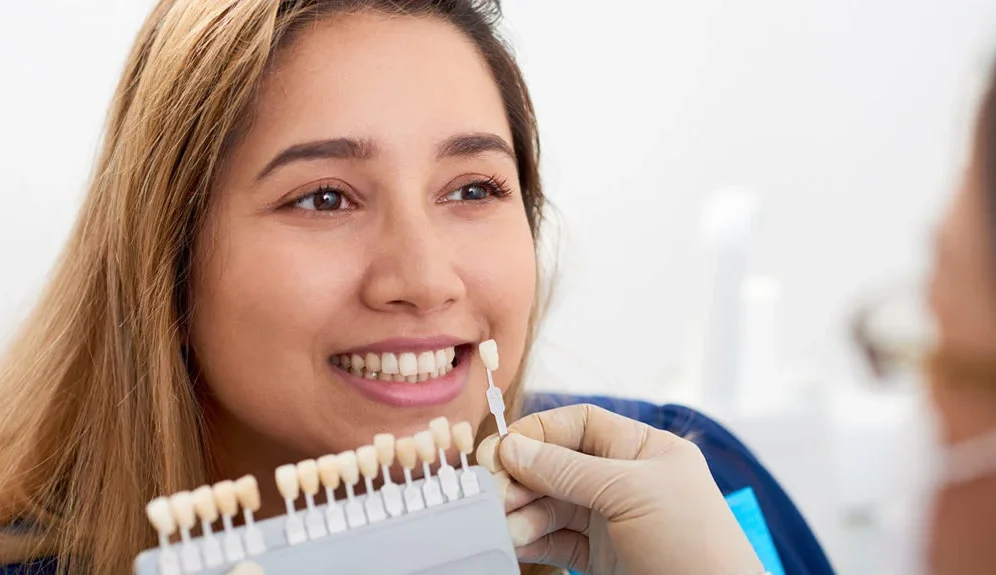
The best way to ensure whitening doesn’t cause any problems is to have it done by a qualified dentist who follows proper procedures. We examine your teeth before whitening to make sure you don’t have cavities, cracks, or gum disease that could be aggravated by the treatment. Any dental issues are addressed first, ensuring your teeth are healthy enough for whitening. During the procedure, we protect your gums and lips with barriers and check frequently to make sure you’re comfortable. After whitening, we give you specific instructions on caring for your teeth and managing any sensitivity. Avoiding very hot or cold foods and drinks for the first day or two helps minimize discomfort. Using fluoride toothpaste and avoiding acidic foods helps your enamel remineralize and strengthen after treatment. Good oral hygiene with regular brushing, flossing, and routine checkups and cleaning keeps your teeth healthy long-term. We also advise spacing out whitening treatments appropriately, typically waiting at least several months between sessions. Following these guidelines ensures you get beautiful white teeth without any negative effects on your dental health.
Ready for Safe, Professional Teeth Whitening?
At Picasso Dental Clinic, our experienced team provides safe, effective Zoom laser teeth whitening with comprehensive care and protection. We have convenient locations in Hanoi, Da Nang, and Ho Chi Minh City, all equipped with the latest whitening technology. Visit our website at https://picassodental.vn or contact us today to schedule your consultation. Let our specialists give you a brighter, whiter smile without any worry about damaging your teeth.