This question comes up in almost every veneer consultation at Picasso Dental Clinic. I’m Dr. Emily Nguyen, and after placing thousands of veneers since 2013, I can tell you that nightguards aren’t always necessary, but they’re critical protection for certain patients.
Understanding the Real Risk
Porcelain veneers are strong, but they’re thin shells bonded to your front teeth. When you grind or clench at night, you generate enormous pressure, often 250 pounds per square inch or more. Your natural teeth can absorb some of this force through their roots and surrounding bone. Veneers have no such shock absorption.
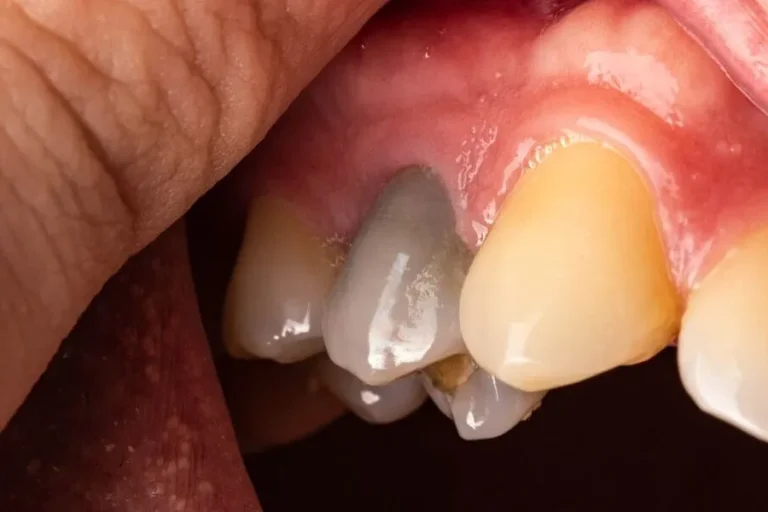
I see the damage regularly at our Da Nang location. A veneer will develop a hairline crack that eventually spreads, or a corner chips off completely. Sometimes the entire veneer debonds from the grinding force. What makes this particularly frustrating is that the damage is completely preventable.
Many patients don’t realize they grind their teeth because it happens during sleep. Your partner might hear it, or you might wake with jaw soreness or headaches. At Picasso Dental Clinic, I check every veneer patient for grinding signs: worn enamel on back teeth, enlarged jaw muscles, or tongue indentations. Among our 70,000 plus patients from 65 nationalities, I’d estimate 60% show some grinding evidence.
When You Definitely Need a Nightguard
Certain situations make nightguards non negotiable. If you’ve previously cracked or chipped teeth, you’re a grinder. If you wake with jaw tension or temporal headaches, you’re likely clenching. If your dentist has mentioned wear facets on your teeth, that’s direct grinding evidence.
Stress makes grinding worse. I’ve noticed patients at our Ho Chi Minh City clinic who never ground their teeth suddenly develop the habit during stressful work periods or life changes. Your beautiful new veneers might coincide with other life stressors, making protection even more important.
Age matters too. Grinding often intensifies in your 30s and 40s, exactly when many patients invest in veneers. If you’re getting veneers in this age range, I recommend a nightguard even without obvious grinding signs. The preventive approach costs far less than replacing damaged veneers.
The Right Type of Nightguard for Veneers
Not all nightguards work equally well with veneers. I create custom fitted nightguards at our clinics that cover your upper teeth completely. These distribute grinding forces evenly across all teeth rather than concentrating pressure on specific veneers.
The nightguard material matters. I use a firm yet slightly flexible acrylic that’s thick enough to absorb force but thin enough to feel comfortable. Store bought nightguards from pharmacies rarely fit properly and can actually increase pressure on certain teeth. Some are too soft and encourage more grinding.
Your nightguard should feel snug but not tight. It shouldn’t make your jaw ache or cause you to drool excessively. Most patients at our Hanoi clinic adapt within three to five nights. After two weeks, you barely notice wearing it.
I typically make the nightguard after placing your veneers, not before. This ensures it fits your new tooth contours perfectly. The fabrication takes about one week, and I schedule a fitting appointment to adjust any tight spots.
Long Term Veneer Protection
Beyond the nightguard, veneer longevity depends on overall oral habits. Avoid biting hard objects like ice, pens, or fingernails. Don’t use your front teeth as tools to open packages. These habits crack veneers just as effectively as grinding.
Regular checkups every six months let me inspect your veneers and nightguard condition. The nightguard itself wears down over time, which is exactly what it should do. That wear means it’s absorbing force that would otherwise damage your veneers. I replace nightguards every two to four years depending on grinding severity.
Since founding Picasso Dental Clinic, I’ve learned that patients who consistently wear their nightguards have veneer survival rates above 95% at the 15 year mark. Those who skip the nightguard or wear it inconsistently see failure rates three to four times higher.
If you’re considering veneers or already have them, we can evaluate your grinding risk and create a custom nightguard at any of our locations in Hanoi, Da Nang, Ho Chi Minh City, or Da Lat.