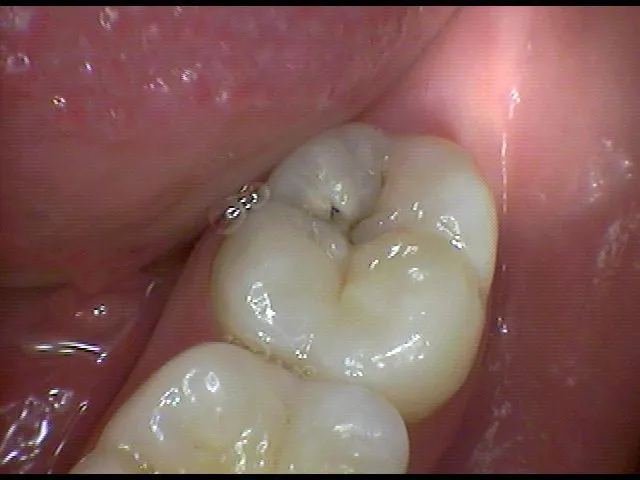
Tooth sensitivity to cold is one of the most frequent complaints I hear at Picasso Dental Clinic. I’m Dr. Emily Nguyen, Principal Dentist, and having treated over 70,000 patients from 65 nationalities since 2013, I can tell you exactly what causes this and what you can do about it.
What’s Actually Happening in Your Teeth
When you feel that sharp zing from cold water or ice cream, it’s your tooth nerve responding to temperature changes reaching places it shouldn’t. Your enamel normally acts as a protective shield, but when it thins or disappears in spots, the softer dentin layer becomes exposed.
Dentin is filled with microscopic channels, almost like tiny straws, that lead straight to the nerve center of your tooth. Cold stimuli travel through these channels incredibly fast, which is why the sensation feels so sudden and intense.
I often show patients at our Da Nang clinic a magnified image of dentin under a microscope. They’re always surprised to see just how porous this layer really is. Understanding this helps explain why the pain comes on so quickly and why certain treatments work better than others.
The Most Common Causes I See
In my decade of practice, I’ve found that enamel erosion from acidic foods and drinks is the leading culprit. Citrus fruits, sodas, and even healthy foods like tomatoes can gradually wear away enamel if consumed frequently without proper rinsing.
Aggressive brushing is another major cause. Many patients think harder brushing means cleaner teeth, but it actually damages both enamel and gums. I recommend soft bristled brushes and gentle circular motions instead of harsh back and forth scrubbing.
Gum recession exposes the root surfaces of your teeth, which have no enamel protection at all. This often happens with age, but grinding your teeth at night or having gum disease accelerates the process. At our Ho Chi Minh City clinic, we see this particularly in patients who grind their teeth during stressful periods.
Teeth whitening products can also cause temporary sensitivity. The peroxide penetrates enamel and can irritate nerves for a few days or weeks after treatment.
What You Can Do Right Away
Start using a desensitizing toothpaste containing potassium nitrate or stannous fluoride. These ingredients actually block those tiny tubules in the dentin over time. I tell patients at our Hanoi clinic to use it twice daily for at least two weeks before expecting noticeable improvement.
Switch to a soft bristled toothbrush if you haven’t already. Apply only gentle pressure and brush in small circles rather than aggressive horizontal strokes. Your enamel and gums will thank you.
Limit acidic foods and drinks, or rinse your mouth with plain water after consuming them. Wait at least 30 minutes before brushing after eating acidic foods, as your enamel is temporarily softened and more vulnerable to damage.
If you grind your teeth at night, a custom nightguard can prevent further enamel wear and gum recession. We make these at all our locations, and they’re much more comfortable than the boil and bite versions from pharmacies.
When to See a Dentist
Some sensitivity requires professional treatment. If your discomfort lasts more than a few seconds after the cold stimulus is removed, or if it’s getting progressively worse, you need an examination. This could indicate a cavity, cracked tooth, or advanced gum recession.
At Picasso Dental Clinic, we can apply professional fluoride treatments or bonding agents that seal exposed dentin areas. These in office treatments work faster than home remedies and provide longer lasting relief.
For severe cases, I sometimes recommend procedures like gum grafting to cover exposed roots, or in extreme situations, root canal therapy if the nerve is damaged. The good news is that most patients I see across our clinics in Da Lat and other cities respond well to simpler treatments first.
I’ve also treated patients where sensitivity was actually an early warning sign of a bigger problem like an abscess or deep decay. That sharp cold pain helped us catch and treat these issues before they became emergencies.
If you’re experiencing cold sensitivity, start with the home care steps I mentioned, but don’t hesitate to schedule an examination at any of our clinics in Hanoi, Da Nang, Ho Chi Minh City, or Da Lat if the problem persists beyond two weeks.