This concern comes up occasionally, though true porcelain crown allergies are remarkably rare. I’m Dr. Emily Nguyen from Picasso Dental Clinic, and I need to explain what patients often interpret as allergic reactions versus actual allergy symptoms, because the distinction affects treatment decisions.
Understanding Porcelain Crown Materials
Porcelain and ceramic crowns are among the most biocompatible materials used in dentistry. Pure porcelain is essentially glass, a material that rarely provokes immune system reactions. Your body doesn’t recognize porcelain as foreign in the way it might recognize metals or certain plastics.
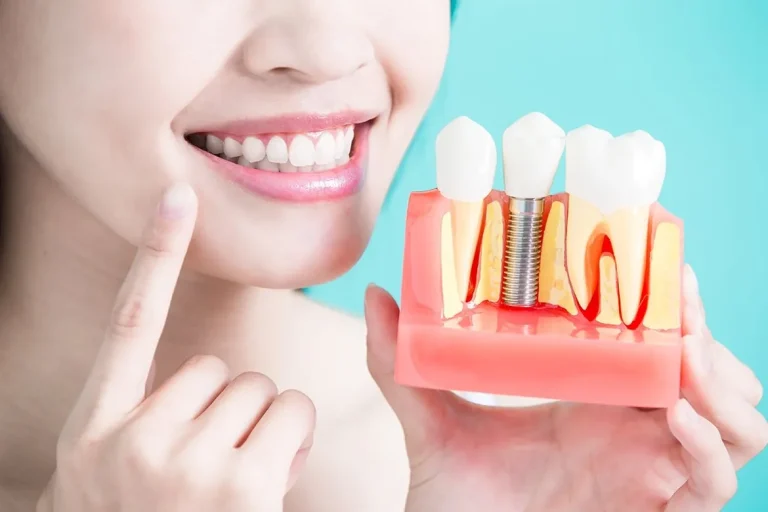
The confusion arises because “porcelain crown” can describe several different material combinations. All-ceramic or all-porcelain crowns contain no metal. Porcelain fused to metal crowns have a metal substructure with porcelain baked over it. Zirconia crowns are technically ceramic but made from a different material than traditional porcelain.
Most allergic reactions I investigate at our Hanoi clinic involve porcelain fused to metal crowns, where patients are reacting to the metal underneath, not the porcelain coating. Common metals used include nickel, chromium, cobalt, and various alloys. Some people have sensitivities to these metals.
The cement used to bond crowns can also cause reactions in sensitive individuals. Different cement formulations exist, and some contain components that irritate certain patients. This isn’t technically an allergy to the crown itself but rather to the bonding material.
What Real Allergic Reactions Look Like
If you’re genuinely allergic to a crown material, symptoms appear relatively quickly after placement, typically within days to a few weeks. The symptoms are localized around the crown and surrounding gum tissue, not systemic throughout your mouth.
Gum tissue around the crown appears red, swollen, and inflamed despite good oral hygiene. The inflammation persists rather than improving with time and proper cleaning. This chronic irritation distinguishes true allergic reaction from temporary post-placement sensitivity.
You might experience a persistent burning or tingling sensation around the crown that doesn’t resolve. Some patients describe metallic taste that won’t go away, particularly with metal-containing crowns. The taste can intensify when consuming acidic foods or beverages.
Oral lesions, white patches, or ulcerations developing near the crown suggest possible allergic response. These tissue changes occur specifically adjacent to the crown rather than randomly throughout your mouth.
At Picasso Dental Clinic serving patients from 65 nationalities, I’ve learned that true allergic reactions worsen over time rather than improving. Post-placement sensitivity that gradually resolves is normal healing, not allergy.
More Common Causes of Crown Problems
Most issues patients attribute to crown allergies actually have other explanations that are easier to address. Poor crown fit is the most frequent culprit. If the crown doesn’t fit precisely against your tooth, gaps allow bacterial accumulation and gum irritation.
Crown margins that extend too far below the gumline or have rough edges irritate gum tissue mechanically. This creates inflammation, redness, and discomfort that mimics allergic reaction but stems from physical irritation rather than immune response.
Gum disease around the crown causes symptoms similar to allergy. If you’re not flossing properly or if the crown design makes cleaning difficult, plaque accumulates and causes gum inflammation. Treating the gum disease resolves the symptoms.
Some patients experience galvanic reactions when they have dissimilar metals in their mouth. If you have a gold crown on one tooth and a nickel-containing crown touching it, an electrical current can develop that causes metallic taste and discomfort. This isn’t allergy; it’s electrochemistry.
At our Ho Chi Minh City location, I carefully evaluate all symptoms before concluding someone has a material allergy. Other explanations are far more common and often simpler to correct.
Testing and Diagnosis
If I suspect genuine material allergy, I recommend patch testing through an allergist or dermatologist. These specialists apply small amounts of various dental materials to your skin and monitor for reactions over several days.
Patch testing identifies specific metal sensitivities. If testing shows nickel allergy, for example, we know to avoid crowns containing nickel. This targeted approach prevents trial and error with crown replacements.
Blood tests for metal sensitivity exist but are less reliable than patch testing. I prefer the direct skin contact method for evaluating potential dental material allergies.
Removing the suspect crown temporarily can confirm diagnosis. If symptoms resolve completely after crown removal and recur when a similar crown is replaced, this strongly suggests material sensitivity. If symptoms persist despite crown removal, other causes are more likely.
Documentation matters. I photograph the affected area, note symptom timeline, and record exactly which materials were used in the crown. This information helps allergists interpret test results and guides future treatment decisions.
Solutions for Sensitive Patients
If you have confirmed metal allergies or concerns about reactions, all-ceramic or zirconia crowns eliminate metal exposure entirely. These materials provide excellent strength and aesthetics without any metallic components.
Zirconia crowns are particularly strong and biocompatible. I use them frequently at our Da Nang and Da Lat clinics for patients with metal sensitivities or those who simply prefer metal-free restorations.
Gold crowns, despite being metal, rarely cause allergic reactions. Gold is extremely biocompatible. Some patients allergic to nickel or other metals tolerate gold beautifully. It’s an option worth considering despite not being tooth colored.
If cement sensitivity is the issue, alternative bonding materials exist. I can use different cement formulations or, in some cases, purely mechanical retention methods that minimize cement contact with gum tissue.
If you’re experiencing persistent symptoms around a dental crown and suspect allergic reaction, I’m available for evaluation at any Picasso Dental Clinic location in Hanoi, Da Nang, Ho Chi Minh City, or Da Lat.